
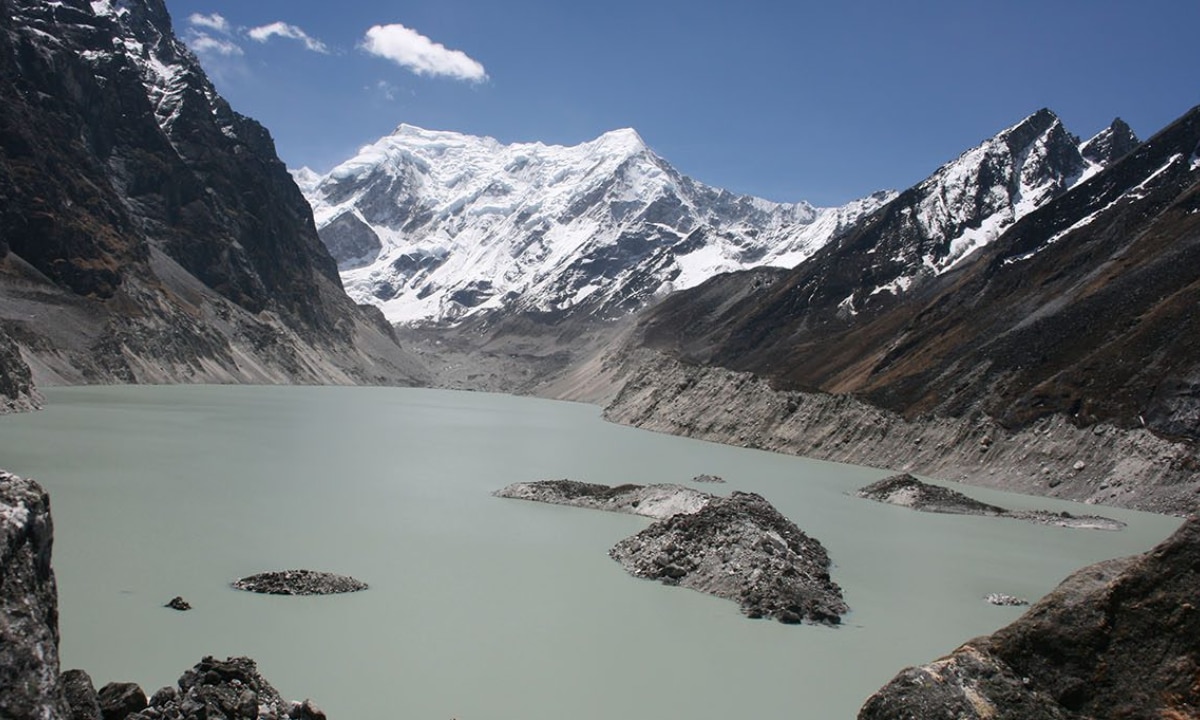
The Gilgit-Baltistan government is formalizing a Glacier Protection Authority to safeguard nearly 700 glaciers. This structural calibration aims to synchronize regional climate resilience with national disaster management frameworks. Chief Minister Amjad Hussain Azar unveiled this blueprint during a high-level briefing with NDMA Chairman Lt. Gen. Inam Haider Malik. Consequently, the administration is shifting from a reactive posture to a proactive climate defense strategy.
The Translation: Contextualizing the Glacier Protection Authority
While “Glacier Protection Authority” sounds like a bureaucratic layer, it functions as a centralized command for environmental intelligence. Currently, fragmented departments handle disaster response. This new authority consolidates glaciology data, GLOF (Glacial Lake Outburst Flood) monitoring, and infrastructure maintenance under one precision-focused entity. It effectively transforms scientific data into actionable civil defense protocols.
Strategic Infrastructure and Academic Synergy
CM Azar emphasized that scientific research must serve as the baseline for all climate policy. Therefore, he directed regional universities to establish specialized glaciology faculties. These programs will act as a catalyst for local expertise, ensuring that the next generation of Pakistanis can manage their unique ecosystem. Furthermore, the government is prioritizing the uninterrupted operation of early warning systems in high-risk zones to prevent loss of life.
The Socio-Economic Impact: Securing the Northern Frontier
For the average resident of Gilgit-Baltistan, this development offers structural security against the volatile monsoon season. By mandating the region-wide desilting of flood channels and maintaining 24/7 highway connectivity via the NHA, the government reduces the economic isolation that typically follows natural disasters. For farmers and small business owners, this translates to stabilized logistics and protected livelihoods in the face of increasing cloudbursts.
The Forward Path: A Momentum Shift
This initiative represents a significant Momentum Shift. Rather than simply repairing damage after the fact, the Gilgit-Baltistan administration is building a permanent institutional framework to study and mitigate climate threats. The establishment of a dedicated NDMA warehouse in Skardu and the integration of academic research signify a calibrated, long-term commitment to system efficiency and national progress.








