
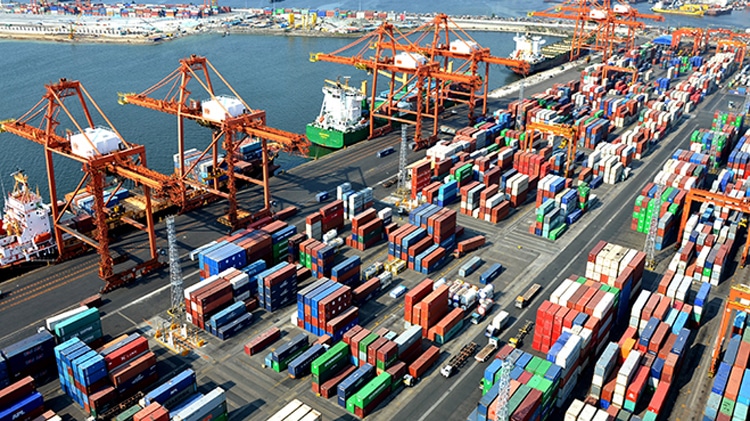
The Strategic Modernization of Port Qasim
Global powerhouses China, Qatar, Turkey, and the UAE are injecting a calibrated Port Qasim investment of $2 billion to overhaul Pakistan’s maritime capabilities. This 30-year strategic development plan transforms the port into a high-capacity hub, ensuring structural efficiency for the nation’s burgeoning export sector. Consequently, this initiative establishes a precision-engineered maritime gateway that aligns with international shipping standards.
Calibrating Infrastructure for Global Connectivity
The first phase of this expansion includes a $250 million dredging project. Once engineers complete this operation, the port will accommodate massive vessels with an 18-metre draft. Furthermore, the Reko Diq Mining Company plans to invest $150 million into dedicated rail infrastructure. This link connects mineral-rich regions directly to the coast, creating a seamless extraction-to-export pipeline.
- Integrated Transport: New rail links between Pipri and Port Qasim will facilitate Thar coal exports.
- Urban Decongestion: A multi-logistics park at Pipri will reduce heavy freight traffic on Karachi’s major road corridors.
- Port Connectivity: Strategic plans will soon link Gwadar, Karachi, and Port Qasim through a unified digital and physical network.
The Translation: De-coding the Logistics Ecosystem
Beyond the surface-level funding, this project represents the technical convergence of Pakistan’s trade corridors. By deepening the port draft and building dedicated rail spurs, the authorities are eliminating the structural bottlenecks that previously hindered large-scale shipping. This is not merely a capacity increase; it is a systematic upgrade to the “velocity of trade” through precision logistics and multimodal integration.
Socio-Economic Impact: Building a Stable Baseline
For the average Pakistani citizen, this Port Qasim investment translates into long-term price stability for imported goods. Enhanced port efficiency reduces demurrage costs and freight overheads, which currently drive domestic inflation. Moreover, the multi-logistics park at Pipri will remove heavy traffic from Karachi’s main arteries, significantly improving daily commute times and air quality for urban households. Students and professionals will see a surge in high-tech logistics and maritime engineering opportunities as the port transitions into a regional powerhouse.
The Forward Path: Momentum Shift
This development constitutes a definitive Momentum Shift. Moving away from patchwork repairs, the government has adopted a 30-year strategic baseline for maritime expansion. While the timeline is expansive, the immediate commencement of dredging and rail construction provides the catalyst needed for sustained economic acceleration. This precision approach ensures that Port Qasim becomes a central pillar of Pakistan’s industrial autonomy.








