
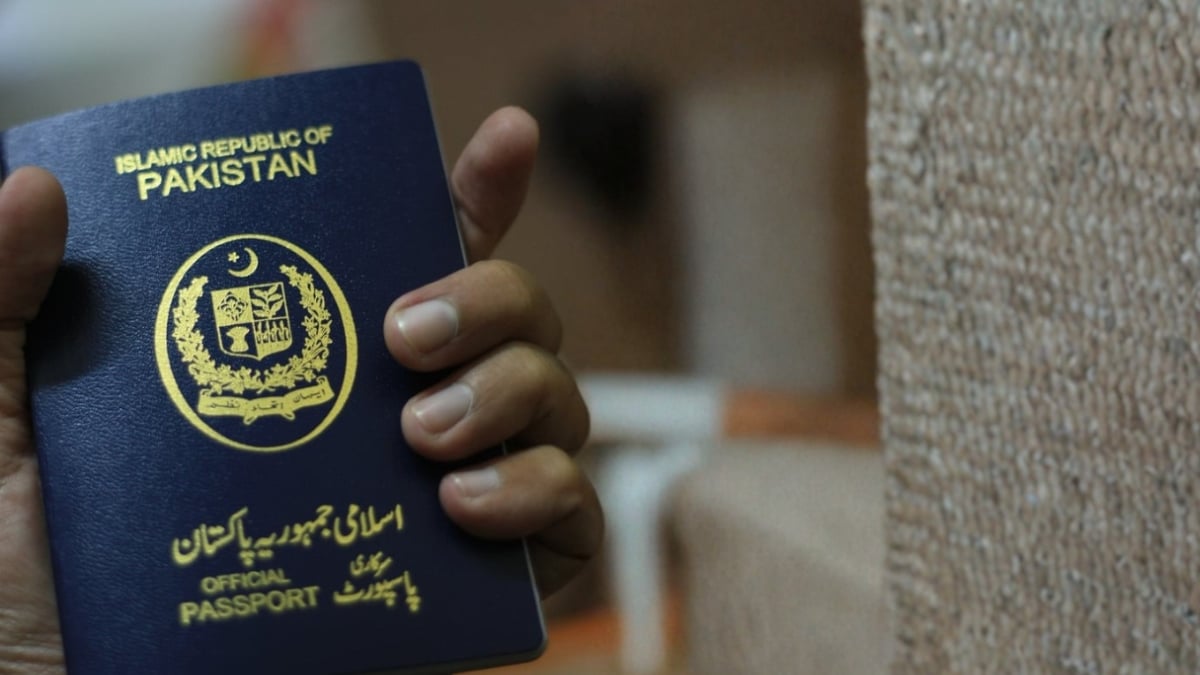
The Strategic Recalibration of Official Blue Passports
The government recently pledged to tighten the issuance and utilization of Official Blue Passports. This decision follows significant criticism regarding a proposed law that would have extended this diplomatic facility to the dependent children of former parliamentarians. Consequently, the Ministry of State for Interior has pivoted toward a more disciplined and restrictive framework to maintain the integrity of sovereign documentation.
Minister of State for Interior Tallal Chaudhry confirmed that future applications for Official Blue Passports now require rigorous approval from the Interior Ministry. Authorities will only issue these documents for specific official duties and strictly limited durations. The government has already successfully calibrated the total volume, reducing active blue passports from 70,000 to fewer than 50,000. Furthermore, the ministry plans an additional 15-20 percent reduction to optimize the system’s baseline efficiency.
Systemic Oversight and Global Mobility
Under the new protocol, the Interior Secretary and the Interior Minister will personally review every application. This structural change ensures that only high-priority personnel utilize these documents. Minister Chaudhry emphasized that the previous surplus of holders served as a significant obstacle to securing visa waiver agreements. Therefore, reducing these numbers acts as a catalyst for Pakistan’s broader diplomatic goals.

The government is currently engaged in advanced negotiations with Saudi Arabia regarding visa exemptions for Official Blue Passports holders. Simultaneously, diplomatic teams are pursuing similar agreements with Italy and several other nations. Although a Senate committee initially approved the expansion bill, the coalition government will ultimately determine its fate, likely favoring a more restrictive stance.
The Situation Room Analysis
The Translation
In technical terms, the government is moving away from “privilege-based” issuance toward “utility-based” documentation. By narrowing the eligibility criteria, the state aims to restore the passport’s prestige. This shift signals to international partners that Pakistan is serious about border security and the regulated movement of its officials, which is a prerequisite for any meaningful visa-free travel negotiation.
The Socio-Economic Impact
This policy change directly impacts the global mobility of the average Pakistani citizen. When the government restricts the misuse of official documents, it builds international trust. Over time, this trust translates into easier visa processes for students, business professionals, and tourists. Essentially, a leaner and more controlled official passport system paves the way for a more powerful ordinary green passport.
The Forward Path (Opinion)
This development represents a Stabilization Move. While it may appear as a simple policy reversal, it is a necessary correction to a system that was nearing critical inefficiency. By prioritizing diplomatic leverage over political perks, the government is installing a more professional baseline for international relations. This precision-driven approach is exactly what is required to integrate Pakistan more effectively into the global economic landscape.








