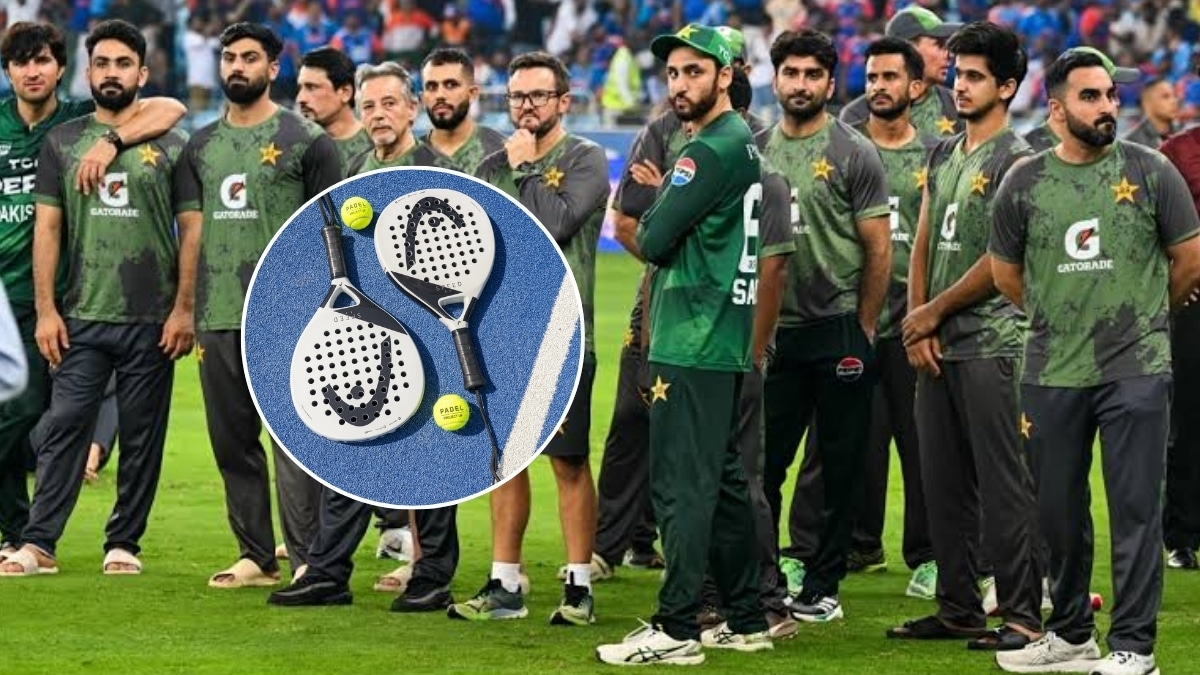
The Pakistan Cricket Board (PCB) recently implemented a calibrated shift in its athletic development protocols by integrating PCB Padel Fitness as a mandatory component for national cricketers. This strategic move aims to optimize physical agility and spatial awareness during high-intensity training camps at the National Cricket Academy (NCA). By establishing a dedicated padel facility on-site, the PCB eliminates logistical barriers, allowing athletes to focus strictly on precision-based performance training. Consequently, this initiative marks a departure from traditional drills toward a more diversified athletic baseline.
Optimizing Athletic Output Through Cross-Training
Director of High Performance, Aqib Javed, emphasizes that padel serves as a catalytic tool for enhancing movement and fielding precision. Unlike traditional drills, padel requires rapid lateral shifts and quick reflexes within a condensed space. Furthermore, cricketers will now engage in 40-minute padel sessions every second day to refine their structural athleticism. The board also intends to incorporate basketball courts and gaming zones to prevent mental fatigue during extended camps. These facilities ensure that the training environment remains both high-yield and sustainable for the players.

The Translation: High-Performance Logic
In technical terms, the PCB is pivoting from mono-disciplinary training to a multifaceted “Cross-Training” ecosystem. Padel, a racquet sport played in an enclosed court, mimics the high-velocity decision-making required in modern fielding. Therefore, the academy is not simply introducing “fun” activities; it is installing a system of dynamic physical feedback. This approach ensures that players remain physically resilient while diversifying their neural pathways for better on-field reactions. By integrating PCB Padel Fitness, the board is utilizing sports science to address specific fielding deficiencies.
The Socio-Economic Impact: Transforming National Standards
For the average Pakistani citizen, this evolution signals a professionalization of our national sporting infrastructure. When elite institutions adopt global best practices, it creates a trickle-down effect on local clubs and youth academies. Specifically, this systemic shift encourages a culture of holistic health and diverse athletic skill sets among young professionals and students. As a result, the national perception of fitness moves from “hard labor” to “strategic versatility.” This creates a more robust foundation for the next generation of Pakistani athletes across all disciplines.

The Forward Path: A Momentum Shift
We classify this development as a clear Momentum Shift for Pakistan’s sports science department. By deconstructing the traditional silos of cricket training, the PCB is aligning itself with international standards seen in elite football and tennis academies. While the inclusion of snooker and basketball might seem secondary, these elements are critical for structural mental stability during rigorous schedules. This precision-based approach is exactly what the “Next Gen” of Pakistani athletes requires to remain competitive on the global stage. Maintaining this trajectory will be vital for long-term international success.