
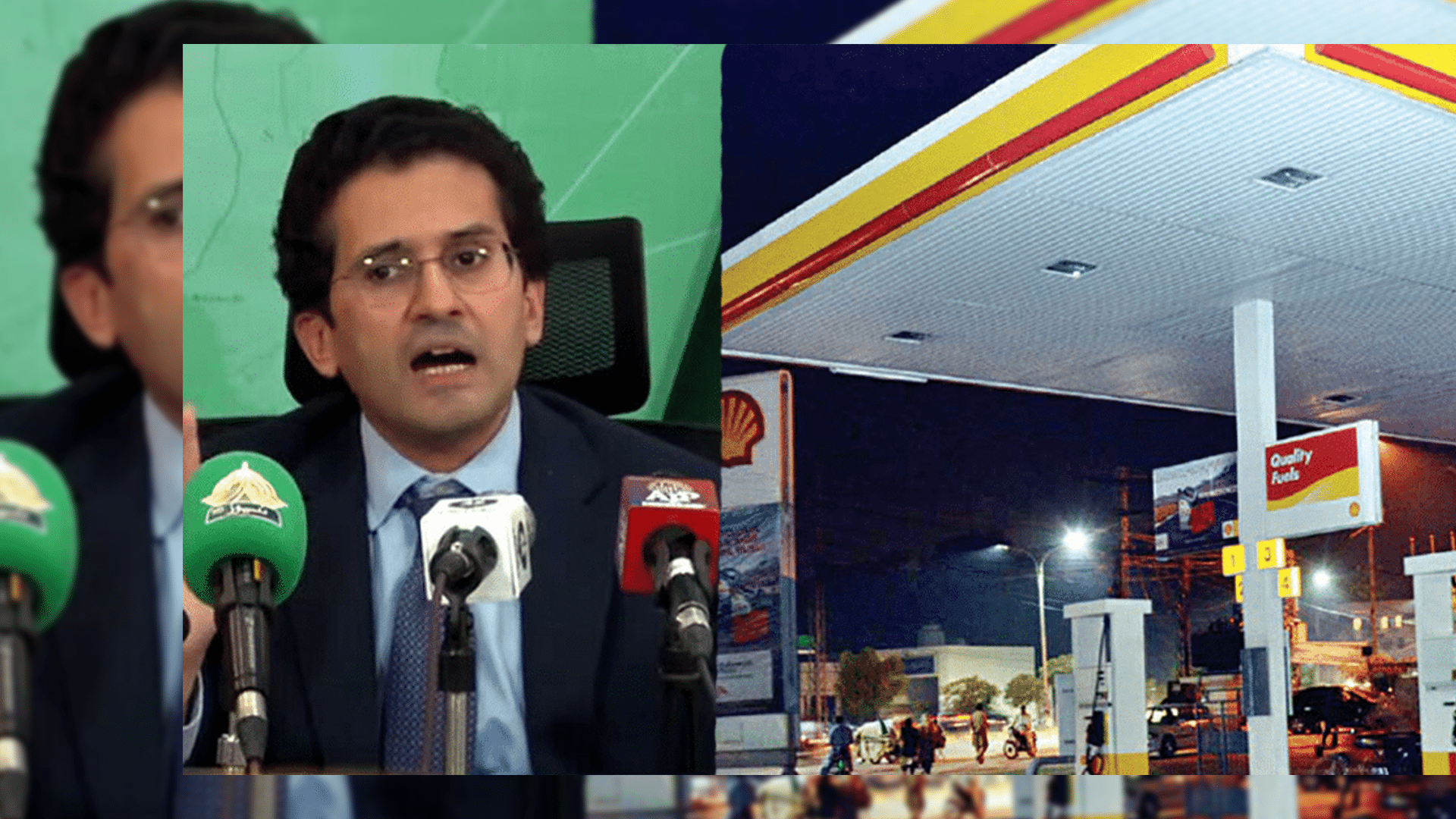
Pakistan is strategically calibrating its energy framework to navigate heightened global volatility. The government recently proposed petrol pricing reforms to enhance market transparency and safeguard national energy security. This structural move aims to stabilize the domestic economy against external shocks, such as the renewed instability in the Strait of Hormuz.
Strategic Calibration of Energy Assets
Federal Minister for Petroleum Ali Pervaiz Malik chaired the fourth meeting of the high-level reform committee. Consequently, the government is prioritizing a shift toward data-driven decision-making. Specifically, the committee reviewed petrol pricing reforms that align Pakistan’s energy costs with regional benchmarks. Data indicates that Pakistan’s petrol prices remain lower than those in Bangladesh, Sri Lanka, and Turkiye, while maintaining parity with India.
Furthermore, the government proposed amendments to the Refinery Policy. This strategic adjustment aims to increase domestic diesel production. By boosting local refining capacity, Pakistan intends to reduce its baseline dependence on expensive imported diesel. This move acts as a catalyst for greater industrial self-reliance.
Transparency and Digital Oversight
To improve public trust, the committee recommended that the Oil and Gas Regulatory Authority (OGRA) publish daily Platts pricing data. This initiative allows for a petroleum pricing mechanism that is visible to every citizen. Effectively, the public can now access the global benchmark used to determine local fuel costs. Additionally, the committee emphasized the following structural improvements:
- Rule-Based Stabilization: Establishing a petroleum price stabilization fund with clear, non-arbitrary disbursement rules.
- Digital Supply Chain: Implementing full digitization of the oil supply chain to improve operational efficiency.
- Institutional Synergy: Coordinating efforts between the Finance Division, Pakistan State Oil, and the Ministry of Law.

The Situation Room Analysis
The Translation
In technical terms, the government is moving away from discretionary pricing toward a rule-based framework. By integrating Platts data—the international standard for oil prices—the government is removing the “black box” element of fuel costs. This precision-oriented approach ensures that local prices reflect real-time global market shifts rather than administrative delays or political whims.

The Socio-Economic Impact
For the average Pakistani household and professional, these petrol pricing reforms provide a buffer against inflation. Transparency in pricing allows businesses to forecast logistics costs more accurately. Moreover, the focus on domestic diesel production could eventually stabilize transport fares for urban and rural commuters. Consequently, this reduces the cost of doing business across the national supply chain.
The Forward Path
We categorize this development as a Momentum Shift. The move toward digitization and rule-based funds represents a departure from reactive governance. While global oil markets remain volatile, establishing a transparent, digital-first infrastructure is a critical catalyst for long-term economic stability. The final recommendations will soon reach the Prime Minister for structural implementation.








