
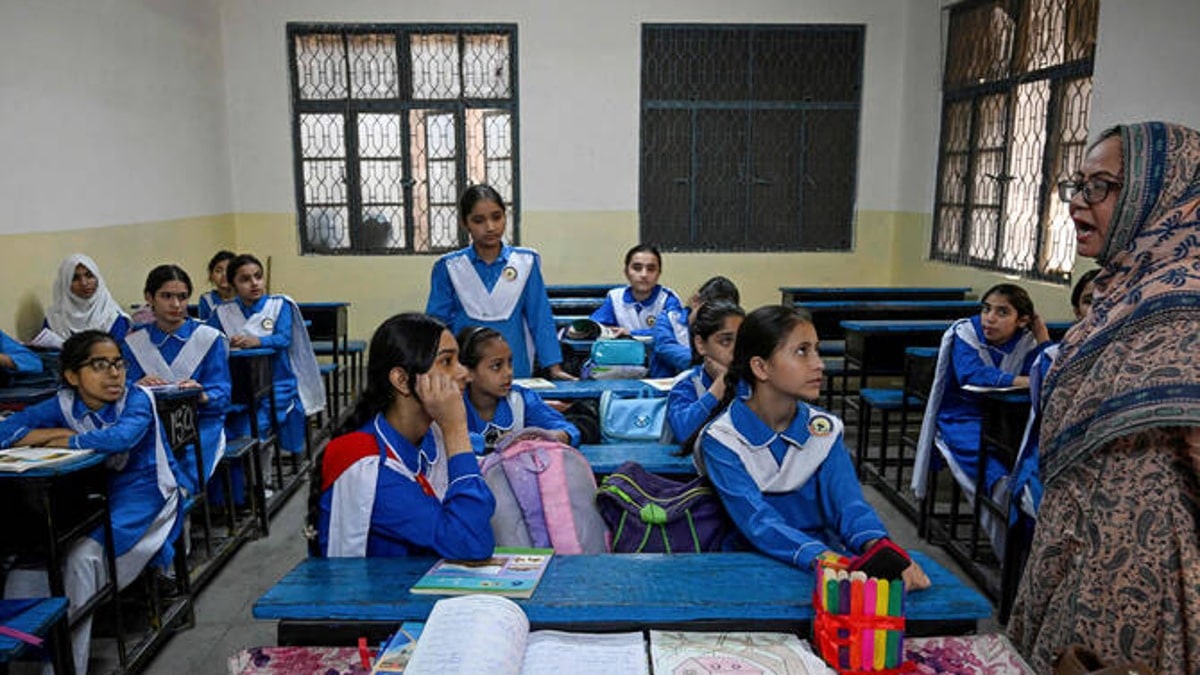
The structural resilience of an educational system depends on its ability to calibrate operations against environmental hazards. Consequently, the Punjab government has officially extended Punjab school vacations for all non-formal institutions until July 11, 2026. This strategic decision prioritizes student health during the current window of extreme heat and humidity, ensuring that the baseline safety of learners is not compromised by volatile weather conditions.
Operational Details: Scope of the Extension
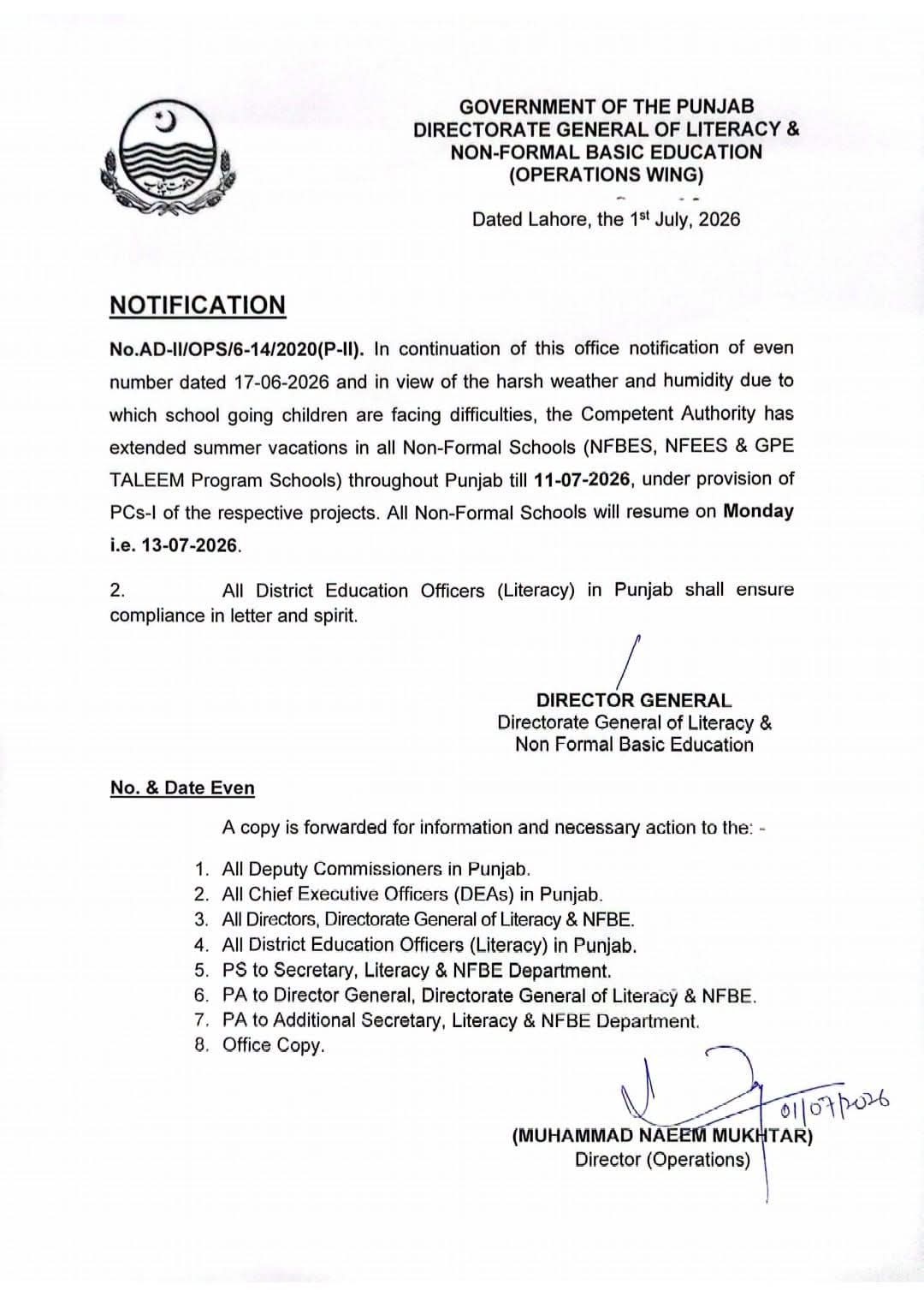
The Directorate General of Literacy and Non-Formal Basic Education issued a formal notification on Wednesday to codify this shift. Specifically, the extension of Punjab school vacations applies to the following categories:
- Non-Formal Basic Education Schools (NFBES)
- Non-Formal Elementary Education Schools (NFEES)
- GPE Taleem Program schools
According to the directive, all institutions are scheduled to resume operations on Monday, July 13, 2026. District Education Officers (Literacy) have been calibrated to ensure strict compliance across the province.
The “Situation Room” Analysis
The Translation (Clear Context)
This move is not merely an administrative holiday but a calculated risk-mitigation strategy. Non-formal schools often operate in community-based settings that may lack the advanced climate-control infrastructure found in elite private campuses. By aligning the academic calendar with local thermal reality, the government is preventing a potential public health crisis among the province’s most vulnerable student populations.
The Socio-Economic Impact
For the average Pakistani household in urban and rural Punjab, this extension provides immediate physiological relief. It reduces the risk of heatstroke and dehydration for students who often commute on foot. For parents, this pivot stabilizes household health expenditures by minimizing heat-related medical emergencies, though it requires a recalibration of short-term childcare arrangements and home-based learning schedules.
The Forward Path (Opinion)
This development represents a Momentum Shift toward a more responsive and empathetic educational governance model. While any disruption to the academic calendar is a challenge, the precision shown in targeting non-formal sectors—which are most exposed to environmental stressors—demonstrates a sophisticated understanding of systemic equity. Future-proofing our education system will eventually require structural cooling solutions, but for now, this adaptive scheduling is a necessary catalyst for student welfare.








