
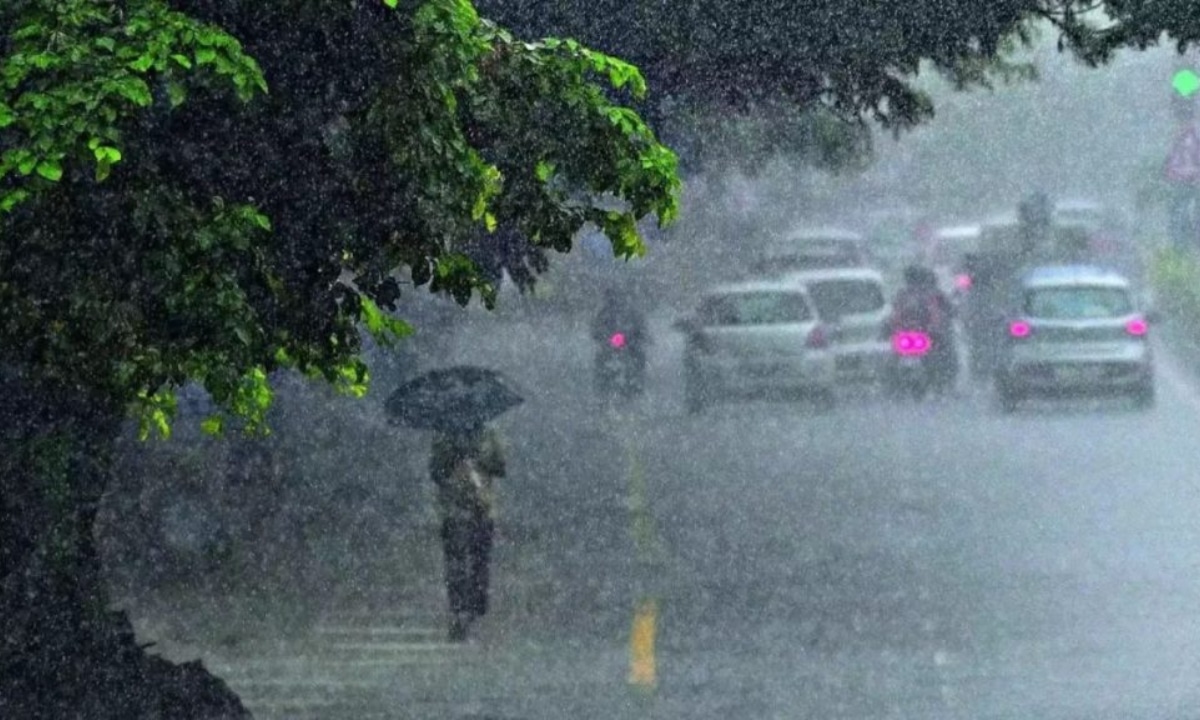
The Pakistan Meteorological Department (PMD) forecasts that monsoon rainfall expected this evening will provide a strategic reprieve from the current thermal baseline. While blistering heat continues to dominate the plains today, a calibrated shift in atmospheric pressure suggests that scattered rainfall and windstorms will target upper Punjab and Khyber Pakhtunkhwa during the night hours.
Atmospheric Shift: Monsoon Rainfall Expected Across the Northern Frontier
Forecasters anticipate that very hot and humid conditions will persist throughout the daytime. However, the system trajectory indicates significant relief for specific regions during the evening. Consequently, residents in the following areas should prepare for variable weather patterns:
- Upper Punjab & Islamabad: Humid daytime peaks followed by intense thunder showers and windstorms.
- Khyber Pakhtunkhwa: Peshawar, Mardan, and Swat will likely see scattered rain with isolated heavy falls.
- Kashmir & Gilgit-Baltistan: Precision cooling through evening precipitation and high-velocity winds.
- Northeastern Balochistan: Localized thunderstorms will disrupt the standing heat index.
In contrast, Sindh and southern Balochistan will maintain a hot and dry equilibrium. Coastal areas of Sindh remain the exception, where partly cloudy skies offer minor thermal stabilization.

The Situation Room: National Impact Analysis
The Translation (Clear Context)
The current weather system represents a transition from stagnant high-pressure heat to a dynamic low-pressure monsoon entry. Technically, the extreme humidity currently felt is the “fuel” for the evening thunderstorms. When the cooler air from the north meets this humid baseline, it triggers a rapid ascent of air, resulting in the windstorms and monsoon rainfall expected by the PMD.
The Socio-Economic Impact
This shift directly affects the daily life of the Pakistani citizen in three specific ways. First, the reduction in temperature will lower the cooling load on the national power grid, potentially stabilizing energy distribution. Second, for urban professionals and students, the humidity requires strict hydration protocols to prevent heat exhaustion. Finally, the isolated heavy falls in KP could impact local logistics and transport infrastructure, requiring strategic travel planning.
The Forward Path (Opinion)
This development represents a Momentum Shift. After several days of soaring temperatures—reaching 48°C in Nokkundi—the arrival of these pre-monsoon currents indicates a move toward seasonal normalization. While the heat is not entirely defeated, the system’s ability to generate precipitation suggests that the national climate is shifting toward a more sustainable baseline for the summer months.
During the previous 24-hour cycle, temperatures hit extreme peaks, with Dalbandin recording 47°C and major cities like Lahore and Faisalabad hovering around 42°C. Furthermore, the PMD advises all citizens to take precautions against sudden windstorms which can disrupt local infrastructure. High-precision monitoring continues as the monsoon system matures.








