
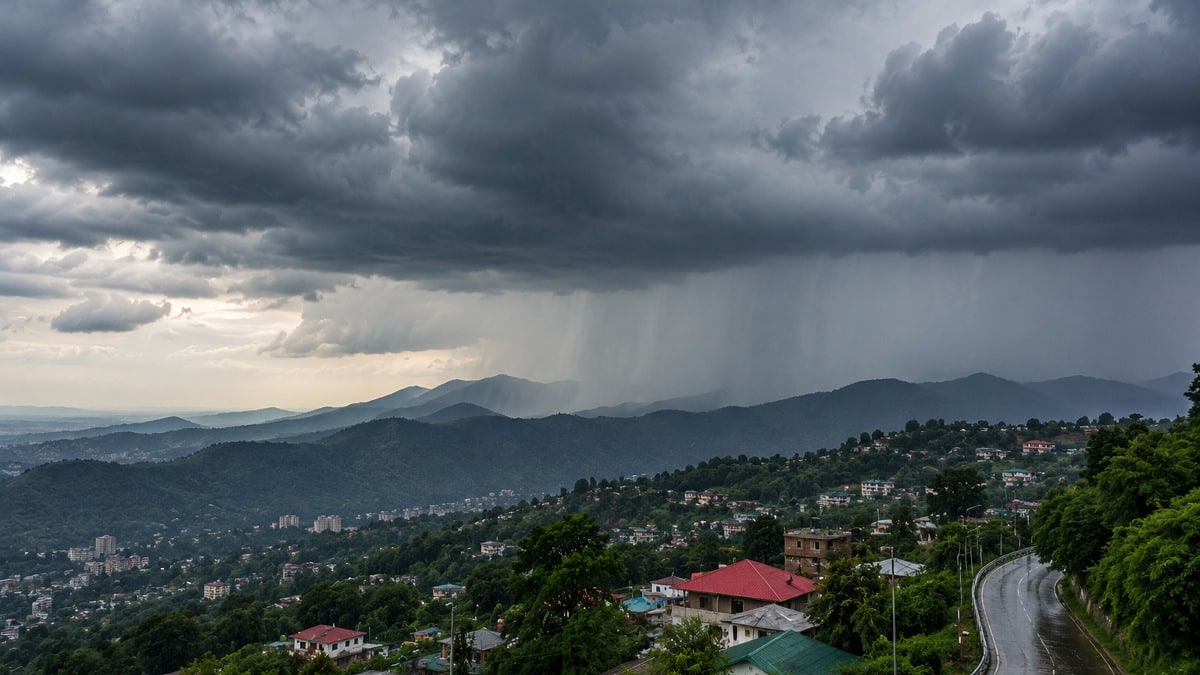
Strategic Preparedness: Managing the NDMA Monsoon Alert
National resilience is built on the foundation of predictive accuracy and structural readiness. The National Disaster Management Authority (NDMA) recently released a calibrated NDMA monsoon alert following forecasts of intermittent rainfall across Pakistan from June 28 to July 3. Consequently, this atmospheric shift serves as a catalyst for potential flooding and landslides within the northern corridors. Authorities have urged the public to adopt a posture of high alert during this critical transition period.
The Translation: Technical Breakdown of the Forecast
Current data indicates a hazardous synergy between intense thermal patterns and early precipitation. Specifically, the NDMA identifies that this thermal baseline is accelerating glacier melting at an unprecedented rate. Therefore, water levels in the river systems of Gilgit Baltistan, Khyber Pakhtunkhwa, and Azad Jammu and Kashmir will likely rise. The strategic risk includes several primary threats:
- Glacial Lake Outburst Floods (GLOFs): Sudden, high-velocity water releases from ice-dammed lakes.
- Flash Floods: Rapid inundation in low-lying areas and narrow valleys.
- Geological Instability: Landslides triggered by moisture-saturated soil in mountainous districts.
The Socio-Economic Impact: Protecting National Human Capital
This weather event directly impacts the safety and economic stability of households in high-risk districts such as Skardu, Swat, and Chitral. Additionally, disruptions in transportation networks can isolate rural communities and halt the flow of essential trade goods. Urban and rural citizens must avoid glacial lakes and riverbanks to mitigate life-safety risks. Furthermore, precision in reporting hazardous conditions to local authorities remains the most effective civilian defense against environmental volatility.
The Forward Path: A Momentum Shift in Resilience
In my expert opinion, the NDMA’s proactive coordination with Provincial Disaster Management Authorities represents a significant Momentum Shift in Pakistan’s disaster resilience. We are successfully moving from reactive recovery to a model of structural preparedness. By placing rapid response units on standby, the state is actively recalibrating its capacity to protect its citizens. Ultimately, this precision-based approach is necessary to combat the increasing frequency of climate-driven events.








