The current Europe heatwave toll serves as a grim baseline for measuring the structural vulnerability of modern infrastructure against climate extremes. As temperatures exceed 40 degrees Celsius, national health systems face unprecedented pressure, resulting in nearly 300 recorded fatalities across the continent. This surge in mortality highlights the urgent need for calibrated emergency response frameworks in urban environments.
Quantifying the Human Cost of Thermal Stress
Spain currently reports the highest impact, where the MoMo mortality-monitoring system estimates that extreme heat contributed to 212 deaths within a four-day window. Consequently, these figures reflect a statistical comparison between recorded mortality and expected baseline levels. In contrast, France and Germany report fatalities primarily linked to secondary incidents, such as drownings occurring as citizens seek thermal relief.
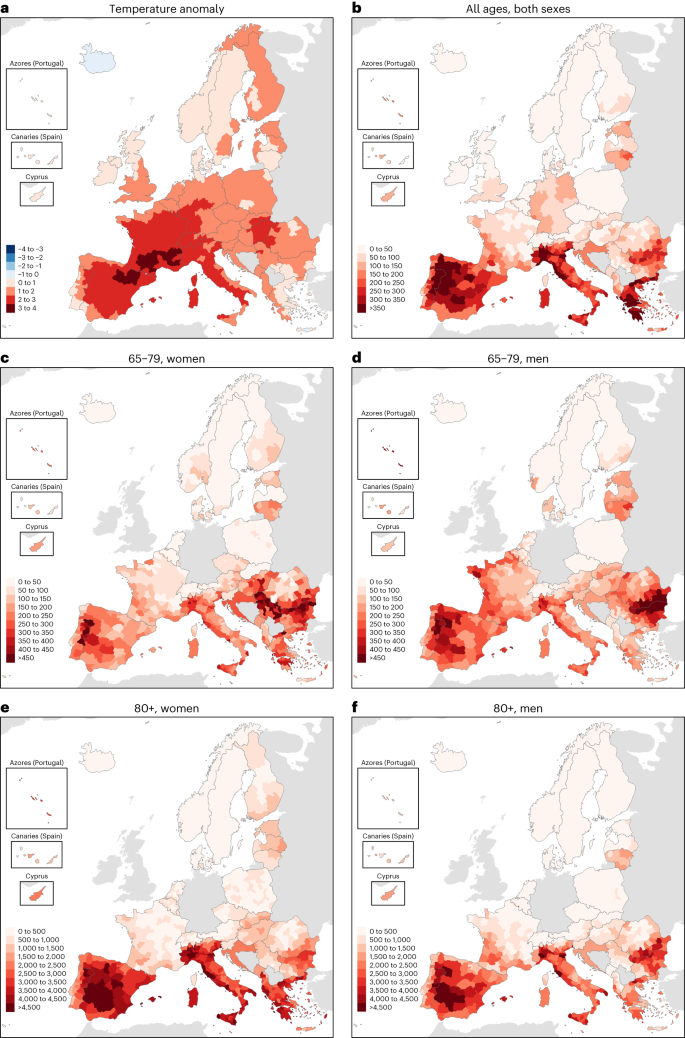
France reported at least 51 heat-related deaths, including tragic incidents involving children in overheated vehicles. Furthermore, the German Life Saving Association confirmed over 20 swimming-related fatalities since last weekend. Italy also documented five deaths, including a worker in a vineyard, signaling the high risk posed to outdoor industrial sectors during peak thermal hours.
Infrastructure Resilience and the Europe Heatwave Toll
The systemic disruption extends beyond public health into the educational and medical sectors. In France, authorities altered schedules for approximately 13,500 schools to protect students from classroom temperatures exceeding 40 degrees Celsius. Similarly, Britain recorded its hottest June day at 36.4 degrees Celsius, prompting over 1,000 schools to implement emergency closures.

Hospitals in Paris have activated the highest level of health service mobilization. This strategic move allows administrators to postpone non-urgent procedures, thereby refocusing all clinical resources toward heatstroke patients. These structural adjustments are essential as the Europe heatwave toll continues to fluctuate based on real-time data from emergency wards.
The Omega Block: A Meteorological Catalyst
Meteorologists identify the “Omega block” as the primary driver behind these record-breaking conditions. This slow-moving weather pattern traps hot air over Western Europe, pushing temperatures up to 18 degrees Celsius above seasonal norms. Because this system remains stationary, the heat accumulates without the typical relief of moving fronts.
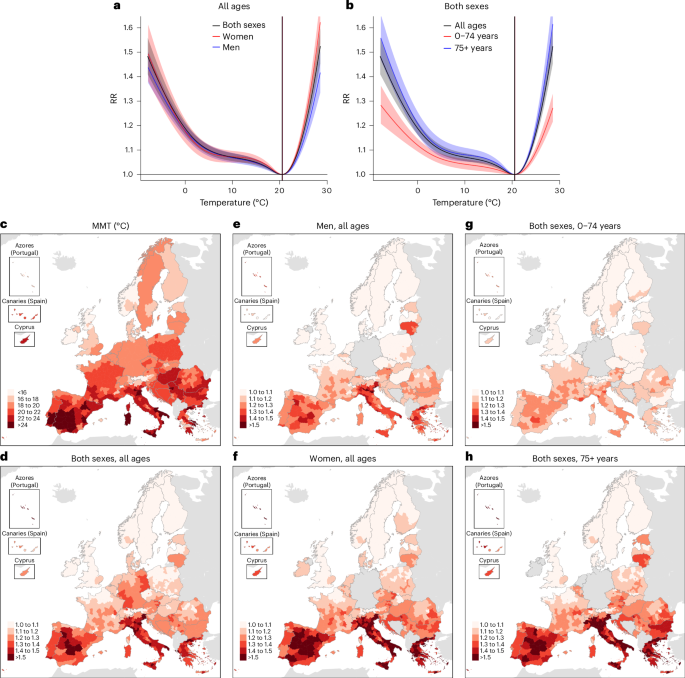
Authorities urge residents to prioritize hydration and avoid strenuous activity. Furthermore, they emphasize the importance of checking on vulnerable populations, particularly the elderly, who lack the physiological capacity to regulate core temperatures in extreme environments.
The Situation Room Analysis
The Translation: Technical Context
The MoMo system used in Spain is a predictive analytical tool rather than a simple tally. It uses historical mortality data to calculate “excess deaths,” providing a more accurate picture of how heat stress exacerbates underlying conditions. Meanwhile, the “Omega block” is a high-pressure system shaped like the Greek letter Ω, which effectively acts as a lid, sealing in heat and preventing cooler air from circulating.
The Socio-Economic Impact
For the average citizen, this heatwave represents more than physical discomfort; it is an economic disruptor. The closure of schools forces parents out of the workforce, while restrictions on outdoor labor—like the vineyard worker in Italy—stall agricultural and construction productivity. In Pakistan, where urban heat islands are already a reality, this serves as a cautionary blueprint for the inevitable stress on our energy grids and public health infrastructure.
The Forward Path: Architect’s Opinion
This development represents a Stabilization Move rather than progress. While Europe’s activation of “heat plans” shows a high level of preparedness, the reliance on reactive measures like closing schools suggests our current built environment is not calibrated for the new climate baseline. We must shift toward structural cooling innovations and heat-resilient urban design to move from survival to stability.