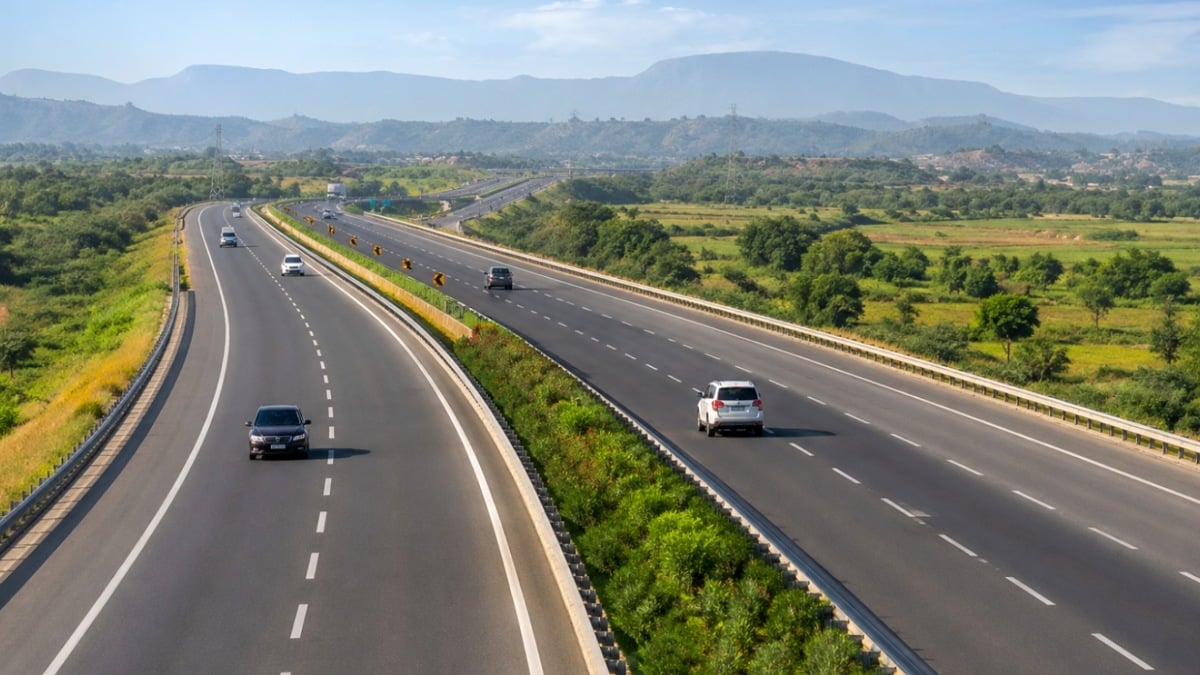
The structural evolution of Pakistan’s transit network achieves a new baseline as the government fast-tracks the Kharian-Rawalpindi Motorway (M-13). This Rs. 205 billion strategic corridor, awarded to the Frontier Works Organisation (FWO), represents a calibrated move to eliminate logistical bottlenecks between Lahore and the capital region. By utilizing a negotiated procurement process, the Public Private Partnership Authority (P3A) aims to bypass traditional delays, ensuring this 117-kilometer artery integrates seamlessly into the existing national grid.
Strategic Efficiency of the Kharian-Rawalpindi Motorway
The National Highway Authority (NHA) successfully advocated for the selection of FWO due to their ongoing management of the Lahore-Sialkot and Sialkot-Kharian sections. Consequently, this alignment ensures a unified construction logic across the entire northern transport corridor. The project operates under a Build-Operate-Transfer (BOT) model, which optimizes private sector financing while maintaining state oversight of critical infrastructure assets.
The Translation: Breaking Down the Procurement Logic
While standard bidding is common, Section 20 of the P3A Act, 2017, allows for “negotiated procurement” under specific conditions. In this instance, the government prioritized synergy. Since FWO is already mobilized on adjacent sections, they can deploy resources immediately. This strategic bypass of the standard tender cycle is designed to accelerate the project’s lifecycle, moving it from blueprint to asphalt with maximum precision.
The Socio-Economic Impact: Precision Transit for Citizens
How does this multi-billion rupee investment change daily life? Primarily, the Kharian-Rawalpindi Motorway will reduce the travel distance between Lahore and Rawalpindi by approximately 100 kilometers. For the average commuter or commercial transporter, this equates to a time saving of over 60 minutes compared to the M-2 route.
- Reduced Operational Costs: Shorter distances lead to lower fuel consumption and vehicle wear for logistics companies.
- Enhanced Regional Access: Rural communities between Kharian and Rawalpindi gain direct high-speed access to urban economic hubs.
- Systemic Efficiency: By de-congesting the M-2, the M-13 creates a redundant, high-capacity alternative for national freight.
The Forward Path: An Architectural Momentum Shift
This development represents a significant Momentum Shift in Pakistan’s infrastructure strategy. Rather than maintaining the status quo of sluggish project starts, the decision to use negotiated procurement signals a “results-first” mindset. The focus on the Kharian-Rawalpindi Motorway demonstrates a commitment to building a high-velocity economy where the movement of people and goods is no longer hindered by outdated logistical frameworks.