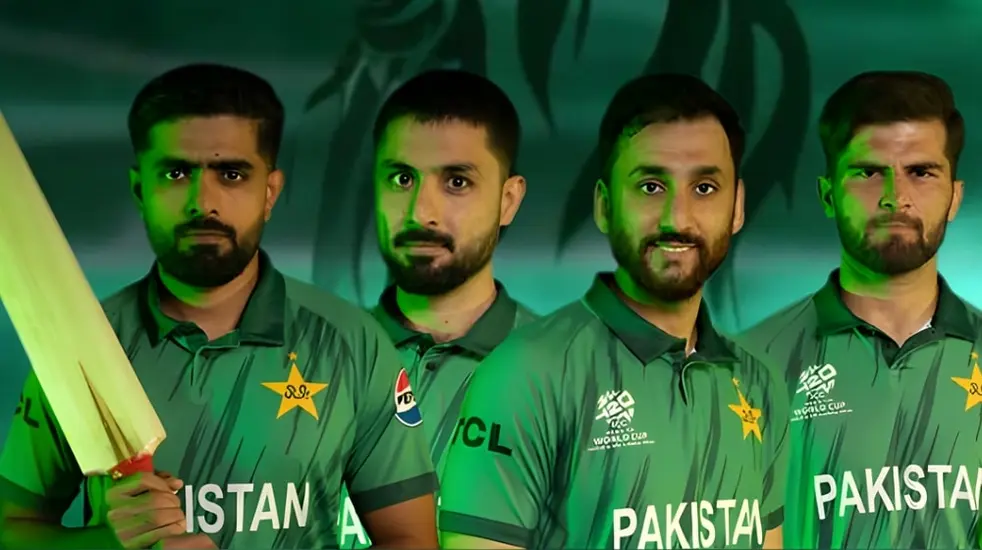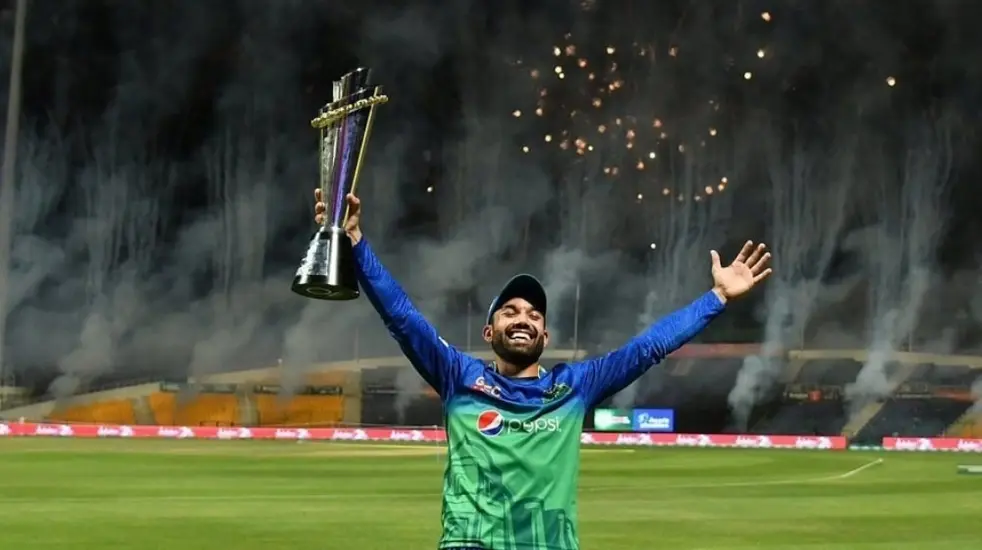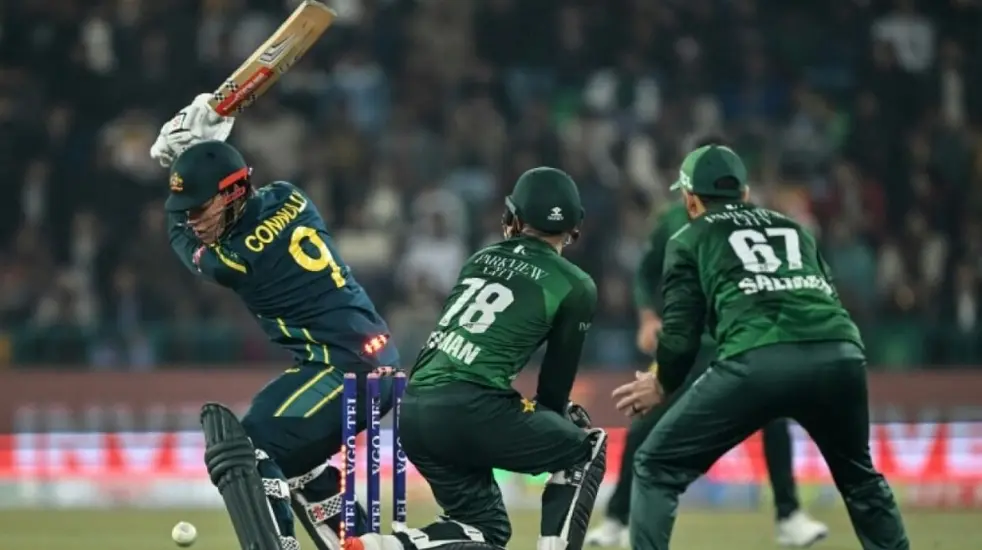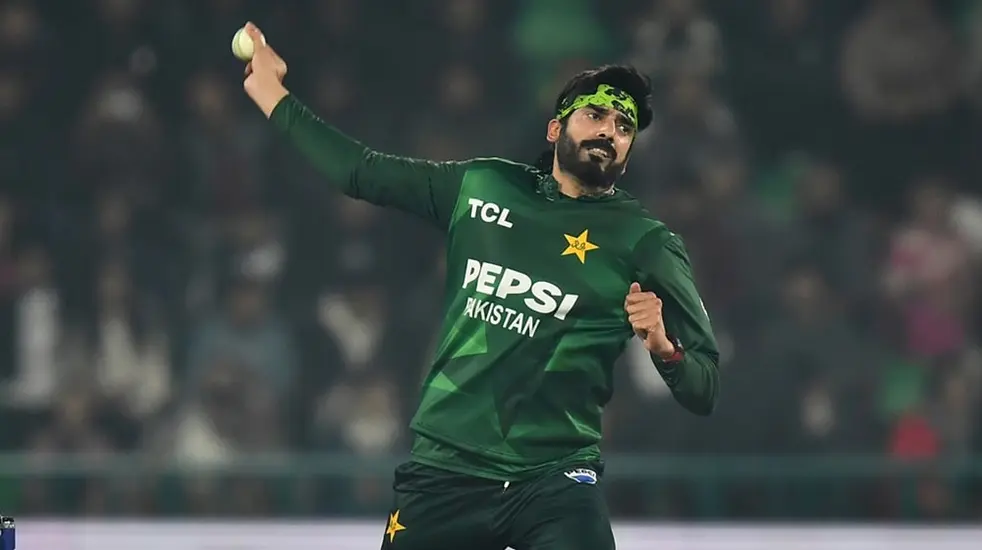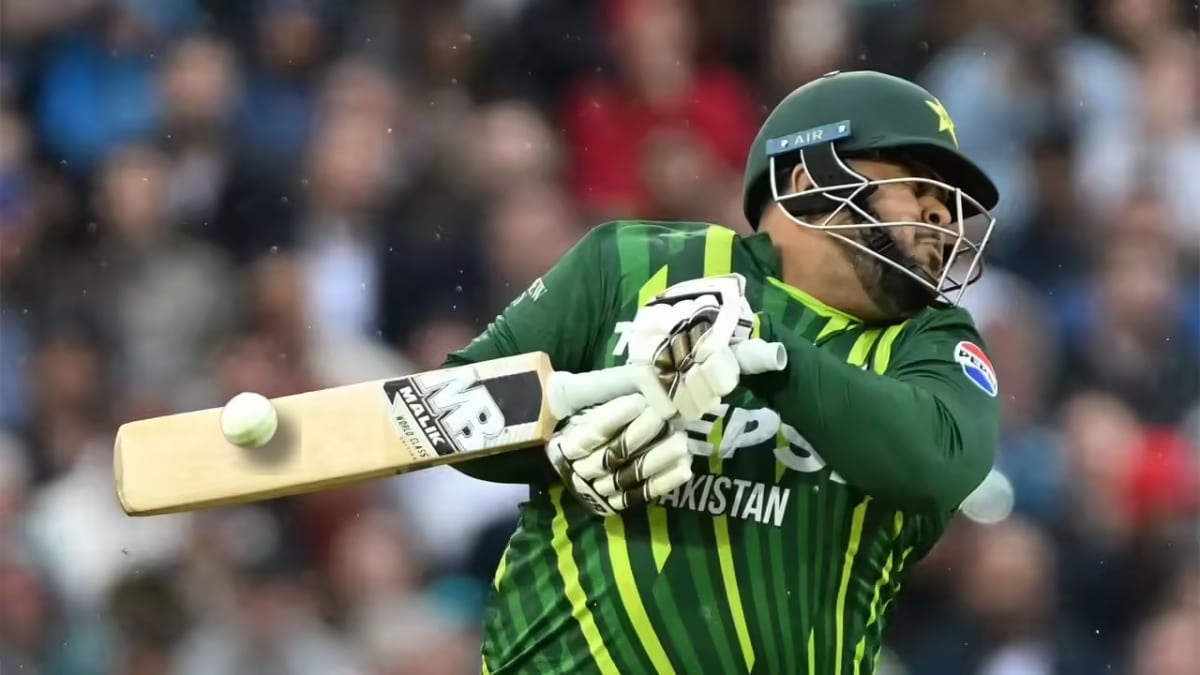
The Pakistan Cricket Board (PCB) is currently calibrating a strategic initiative to send elite cricketers to the United States for a specialized power-hitting course. Consequently, this four-month development program aims to overhaul technical precision and metabolic conditioning in a high-performance environment. White-ball coach Mike Hesson confirmed that the board is finalizing player selection to ensure maximum system efficiency.
Structural Precision: Why a Power-Hitting Course Matters
The proposed program represents a fundamental shift in player assessment. Specifically, selected athletes will spend extended durations in the US to master modern power-hitting course techniques while undergoing rigorous physical rehabilitation. Coach Hesson emphasizes that this baseline shift is necessary to align Pakistan’s talent with global striking standards. Furthermore, the inclusion of Dr. Javed Mughal as Director of Sports and Exercise Medicine signals a broader commitment to medical and conditioning excellence.

Developing High-Potential Assets: The Ali Raza Case
Strategic workload management remains a top priority for the PCB leadership. For instance, the board identifies 18-year-old pacer Ali Raza as a critical high-potential asset. Despite his title-winning performance at the Under-19 Asia Cup and a notable PSL hat-trick, the board is delaying his international debut. Instead, the focus remains on building a structural foundation that allows him to maintain velocity under extreme pressure. Therefore, this US-based training serves as a catalyst for sustainable career longevity.
The Situation Room Analysis
The Translation (Clear Context)
In technical terms, the PCB is moving away from traditional net sessions toward biomechanical recalibration. By utilizing US-based facilities, players access data-driven feedback loops that are often unavailable in domestic setups. This isn’t merely “extra practice”; it is a deliberate engineering of the players’ swing mechanics and explosive power output to meet the demands of modern T20 cricket.
The Socio-Economic Impact
For the average Pakistani citizen, a more competitive national team directly bolsters the sports economy. Improved performance on the global stage increases the valuation of the PSL, which subsequently flows into grassroots infrastructure. Moreover, for aspiring young athletes in rural and urban areas, the focus on fitness and scientific training sets a new professional baseline, encouraging a more disciplined approach to sports as a career.
The “Forward Path” (Opinion)
This development represents a Momentum Shift. By investing in specialized international training like a power-hitting course, the PCB is finally addressing the structural gap between Pakistani talent and the evolving global game. If executed with precision, this program could serve as the catalyst for a more resilient and modern batting lineup.