
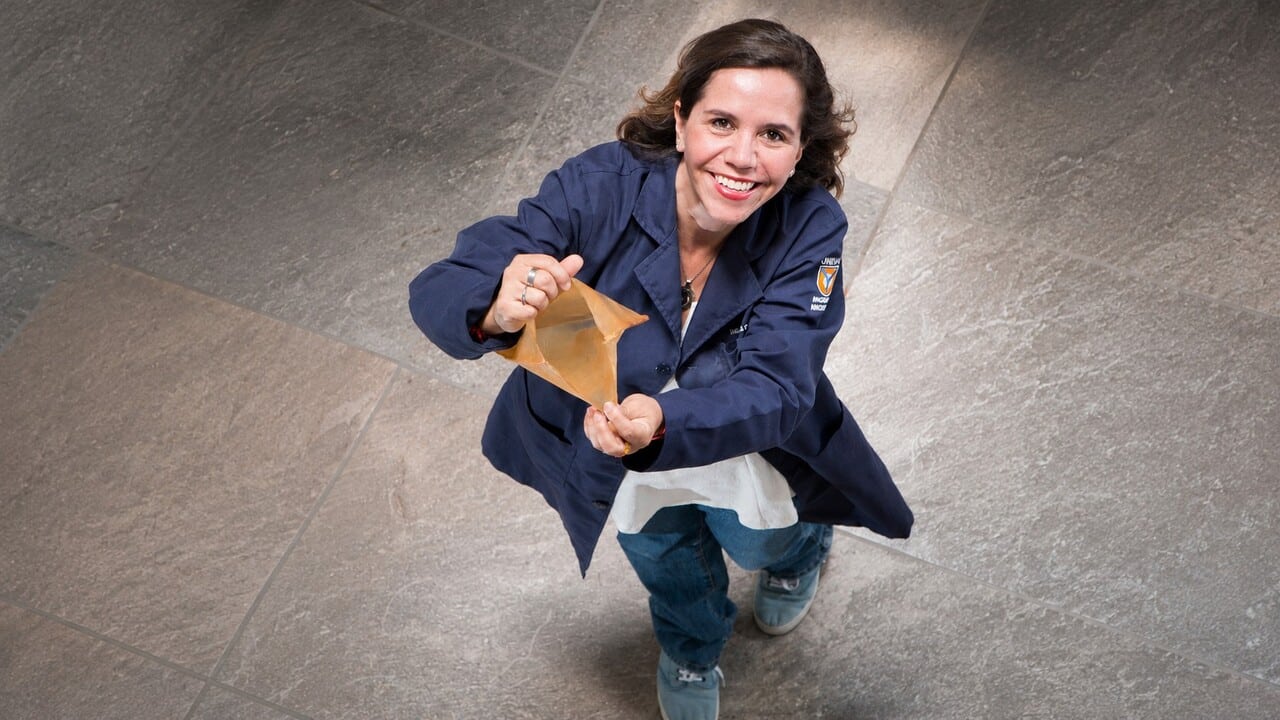
The global waste crisis requires a calibrated engineering response to replace structural inefficiencies in material production. Mexican researcher Sandra Pascoe Ortiz has successfully developed a high-performance cactus-based plastic using juice extracted from the nopal cactus. This innovation represents a strategic pivot in material science, as the material is entirely non-toxic and safe for biological consumption by both humans and animals.
Engineering a Precision Strike Against Plastic Pollution
Current data indicates that approximately 2.4 million metric tons of plastic enter global marine ecosystems through rivers annually. Consequently, the reliance on petroleum-based polymers remains a baseline threat to environmental stability. In contrast, this cactus-derived material exhibits rapid decomposition, breaking down in soil within 30 days and dissolving in water in less than a week.
Furthermore, the scalability of this cactus-based plastic could effectively mitigate the accumulation of persistent microplastics. By replacing disposable cutlery and films with this organic alternative, we can reduce the structural load on waste management systems globally.
The Evolution of the Nopal Matrix
The project originated at the Universidad del Valle de Atemajac in Guadalajara as a classroom chemistry initiative. Specifically, Pascoe Ortiz collaborated with industrial engineering students to isolate the natural polymers within cactus juice. Although the initial student group concluded their term, Ortiz maintained focus, expanding the research through strategic academic partnerships with the University of Guadalajara.
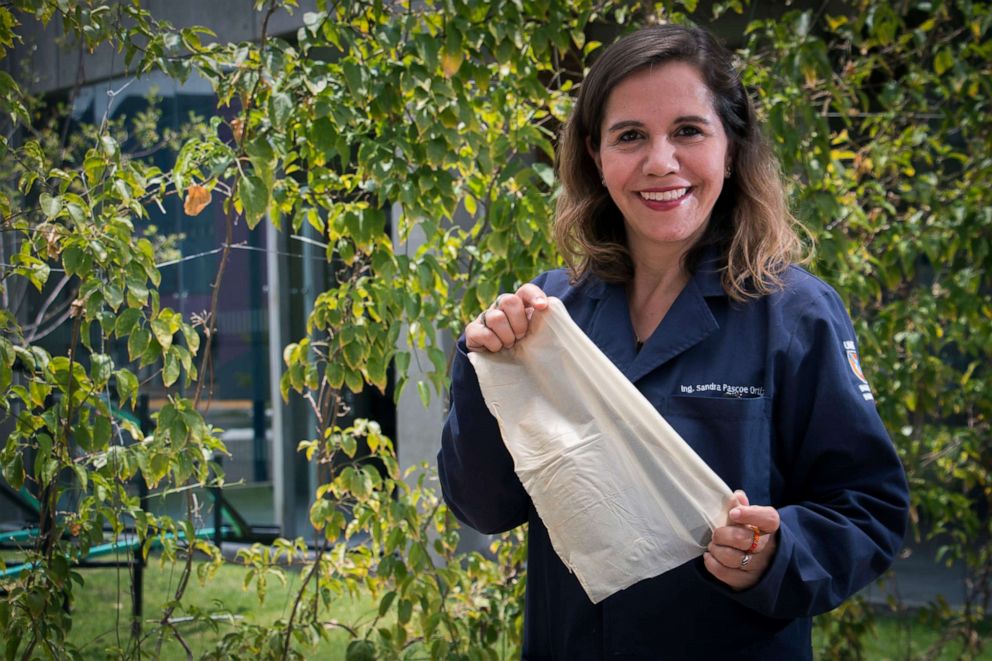
Current laboratory tests confirm the material’s viability for manufacturing plastic films, small containers, and various packaging solutions. The team is now seeking calibrated financial support to transition from pilot testing to industrial-scale manufacturing. This transition is essential for making the technology a standard in the consumer goods sector.
The Translation: Contextualizing the Science
In technical terms, the nopal cactus contains sugars and gums that form a natural polymer matrix. While traditional plastics rely on long-chain synthetic molecules that resist biological decay, this cactus-based plastic utilizes organic bonds that microorganisms can easily dismantle. This means the material does not just “break into smaller pieces”; it returns to the carbon cycle as a nutrient.
Socio-Economic Impact: Precision Benefits for Pakistan
For a nation like Pakistan, where plastic waste frequently clogs urban drainage systems and pollutes the Indus River, this technology offers a two-fold advantage. First, it provides a catalyst for the agricultural sector, as the nopal cactus thrives in arid climates common in Sindh and Balochistan. Second, adopting such materials reduces the long-term healthcare costs associated with microplastic contamination in the food chain, directly improving the baseline quality of life for urban and rural households alike.
The Forward Path: A Momentum Shift
This development represents a definitive Momentum Shift in the global fight against environmental degradation. It moves beyond passive recycling and introduces a proactive, architectural change to how we manufacture everyday items. If industrial manufacturing targets are met, the integration of cactus-based plastic will mark the end of the petroleum-plastic era and the beginning of a circular, bio-integrated economy.








