
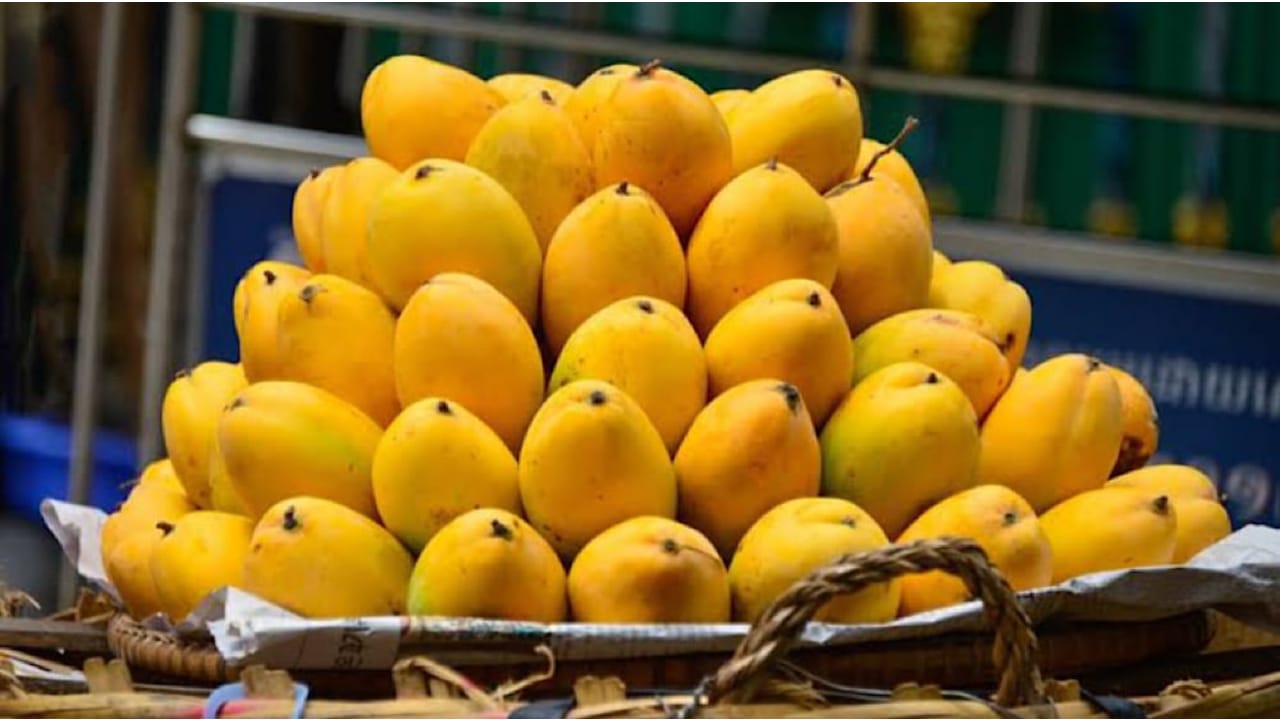
Pakistan’s horticultural sector faces a calibrated challenge as the mango export decline reaches a projected 30% this season. Regional conflict in the Middle East has compromised strategic trade routes, resulting in a forecasted 30,000-tonne reduction in total shipments. While the nation produces 1.8 million tonnes of fruit annually, structural logistics issues now threaten the $110 million export baseline. Consequently, exporters anticipate overseas shipments to drop to 80,000 tonnes compared to previous cycles.
Logistics Disruption and Rising Shipping Costs
The Middle East remains Pakistan’s most critical trade destination, accounting for nearly 80% of all shipments. However, instability surrounding the Strait of Hormuz has forced a precision recalibration of shipping schedules. Last year, shipping a 25-tonne container cost approximately $1,400. Today, freight charges have surged due to elevated energy prices and heightened risk premiums. Furthermore, the All Pakistan Fruit and Vegetable Exporters Association notes that uncertainty in Iran and Afghanistan has dampened international demand.
The Translation: Contextualizing the Trade Crisis
In “Next Gen” terms, this crisis illustrates how geopolitical instability breaks the logistical bridge between production and consumption. Despite a robust harvest of Sindhri and Chaunsa varieties, the mango export decline is a result of external systemic pressures. When trade routes become high-risk, insurance premiums and fuel surcharges make Pakistani produce less competitive. Therefore, the current shortfall is not a failure of agricultural output, but a failure of regional supply chain security.
The Socio-Economic Impact
This slump directly impacts the liquidity of rural farming households across Sindh and Punjab. Moreover, as international demand falters, domestic markets face an artificial surplus. Unfortunately, domestic households facing inflationary pressures cannot absorb this extra supply, leading to wasted produce and lost revenue. For the average Pakistani citizen, this means fewer resources for agricultural innovation and a potential reduction in future crop investments as farmers struggle to cover baseline costs.
The Forward Path: Expert Opinion
We categorize this development as a Stabilization Move. While the 30% decline is a sharp shock to the system, Pakistan’s status as the world’s fourth-largest exporter provides a resilient foundation. To regain momentum, the state must catalyze trade diversification toward Central Asia and Europe. Precision in cold-chain logistics and strategic government subsidies for shipping will be the primary catalysts for reclaiming our horticultural dominance in the global market.








