Pakistan car loans have reached an unprecedented peak of Rs. 369.12 billion, marking an 18-month expansion cycle that defies global economic trends. Consequently, the State Bank of Pakistan recorded this historic surge despite the prevailing 11.5 percent policy rate. This structural growth signals a calibrated shift in consumer behavior as households prioritize modernized transportation over high borrowing costs.
Understanding the Resilience of Pakistan Car Loans
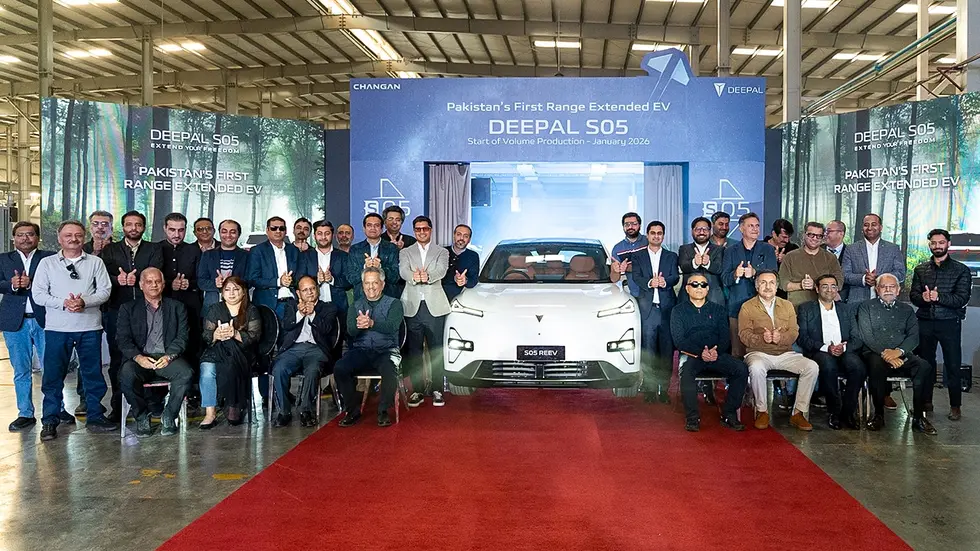
Financial institutions and local assemblers have introduced strategic financing packages that stabilize the baseline cost of ownership. Furthermore, the demand for newly launched hybrid and electric models has accelerated as consumers seek to minimize fuel expenditures. Consequently, total vehicle sales reached 183,704 units during the first 11 months of fiscal year 2025-26, representing a 45 percent increase from the previous year.
The Translation: Breaking Down the Market Logic
While high interest rates usually deter buyers, the market has recalibrated for precision. Manufacturers have doubled the import of semi-knocked down (SKD) and completely knocked down (CKD) kits to $1.877 billion. This massive investment suggests that industry architects expect sustained demand. The entry of energy-efficient models acts as a catalyst, making the current lending rates manageable compared to the rising costs of traditional combustion engines.
The Socio-Economic Impact: Mobility for the Next Generation
The surge in Pakistan car loans directly impacts the mobility of urban professionals and middle-class households. By transitioning to fuel-efficient vehicles, citizens are effectively insulating themselves from volatile fuel prices. Consequently, this shift promotes a more sustainable national energy profile. Improved access to vehicle financing ensures that the workforce remains mobile and productive, which is a key baseline for systemic economic efficiency.
The Forward Path: A Momentum Shift
We classify this development as a significant Momentum Shift. The industrial scaling indicated by the doubling of kit imports proves this is not a temporary spike. Instead, it represents the structural evolution of Pakistan’s automotive sector. By aligning financial products with technological advancements like EVs, Pakistan is building a resilient framework for future transport infrastructure.