Calibrated for long-term economic sustainability, Nayatel recently announced a revision in Nayatel internet packages, effective July 1, 2026. This strategic adjustment targets the baseline operational costs necessary to maintain high-precision fiber infrastructure within Pakistan. Consequently, subscribers will observe a marginal increase across various speed tiers as the company moves to offset inflationary pressures and rising utility expenses.
Calibrated Rates for Nayatel Internet Packages
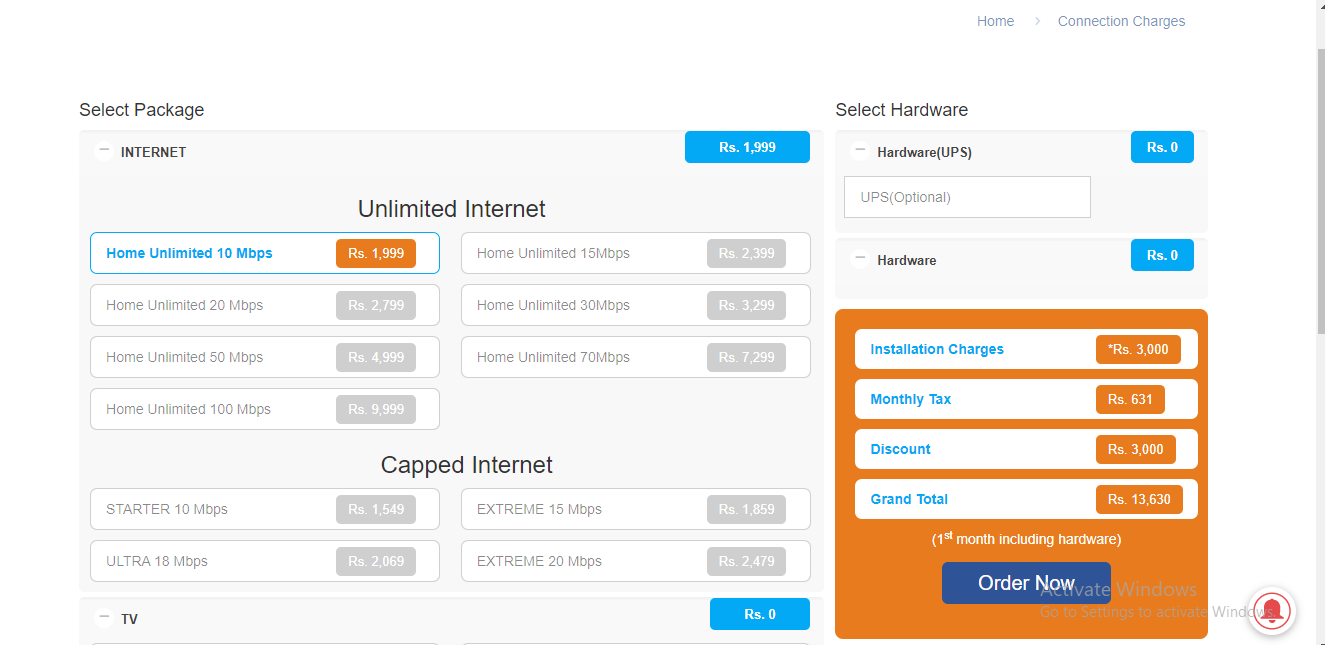
The service provider communicated these changes via direct email, citing a “minimum possible increase” to sustain service quality. Although the official website may still display legacy data, the following structural adjustments are confirmed for the July billing cycle:
- 70 Mbps Unlimited: Increased by Rs. 300 (New Rate: Rs. 5,300).
- 40 Mbps Unlimited: Increased by Rs. 100 (New Rate: Rs. 3,450).
- 30 Mbps Unlimited: Increased by Rs. 75 (New Rate: Rs. 2,225).
The Situation Room Analysis
The Translation (Context)
Nayatel is implementing a “cost-plus” pricing strategy to protect its infrastructure investments. By adjusting the price of Nayatel internet packages, the entity ensures that the digital backbone remains resilient. This move suggests that the previous pricing model no longer aligned with the current energy and hardware import costs required for fiber maintenance.

The Socio-Economic Impact
For the average Pakistani household, this represents a minor budget reallocation. However, for freelance professionals and STEM students reliant on high-speed connectivity, these incremental costs represent a growing trend of “digital inflation.” In urban centers like Islamabad and Lahore, the cost of staying connected is becoming a significant fixed expenditure for micro-entrepreneurs.
The Forward Path (Expert Opinion)
This development represents a Stabilization Move. While price hikes are rarely popular, maintaining the fiscal health of ISPs is a catalyst for national progress. For Pakistan to maintain its digital momentum, providers must remain solvent enough to invest in future-proof technologies. Consumers should expect similar calibrations from other providers as the industry aligns with global economic shifts.