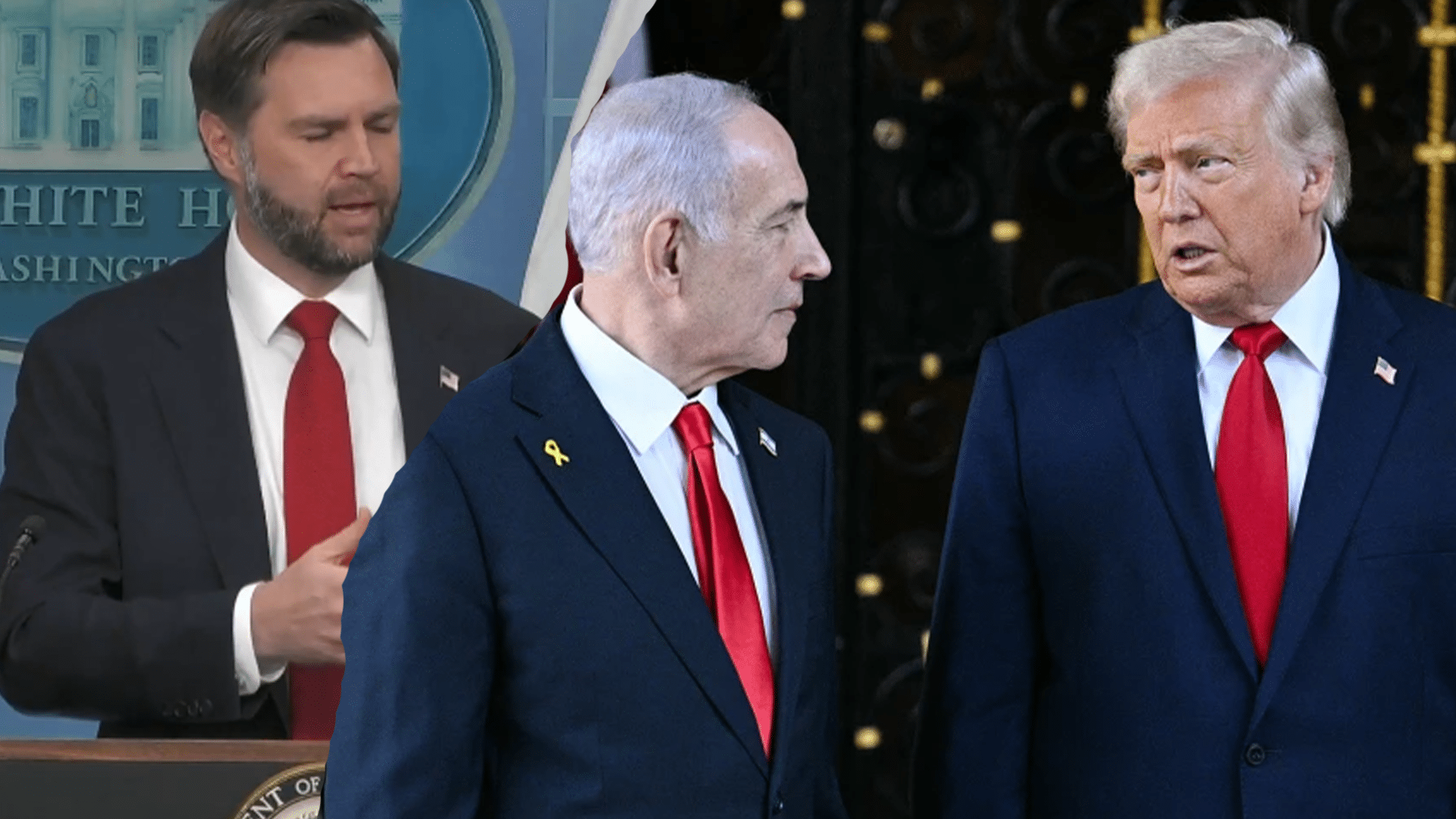
The global diplomatic architecture is undergoing a calibrated recalibration as Vice President JD Vance demands absolute respect for US-Israel Strategic Ties. Specifically, Vance recently criticized members of the Israeli cabinet for launching personal attacks against US President Donald Trump. This strategic warning follows the historic Islamabad MoU, signaling a period where the United States expects its allies to align their rhetoric with the precision of their military cooperation.
Protecting the US-Israel Strategic Ties
Vice President Vance characterized the recent insults from Israeli officials as entirely inappropriate. He reminded the international community that President Trump remains a singular, sympathetic head of state for Israel among global superpowers. Consequently, Vance warned that attacking a primary ally is a tactical error that disregards current geopolitical realities.

Moreover, the Vice President emphasized the structural dependence of Israeli defense on American innovation. He argued that officials who view the US President as a problem must “wake up and smell the reality” of their precarious position. This reality is defined by a massive flow of resources and technology from American soil to the Mediterranean front.
The Baseline of Military Support
Data provided by the Vice President reveals a significant baseline of support that sustains regional stability. Furthermore, he quantified the American contribution to Israeli safety over the last quarter:
- Two-thirds of all defensive weapons protecting the Israeli homeland were built by American hands.
- American taxpayers have financed the majority of these advanced defensive systems.
- Strategic systems produced in the US have been the primary catalyst for intercepting regional threats.

The Situation Room: Strategic Analysis
The Translation (Clear Context)
In “Next Gen” terms, this is a call for diplomatic synchronization. Vance is signaling that military support is not a blank check; it requires a baseline of political respect. By highlighting the US-Israel Strategic Ties immediately after the Islamabad MoU, the administration is demonstrating that its focus is expanding toward broader Eurasian stability, and traditional allies must adapt to this new, disciplined framework.
The Socio-Economic Impact
For the average Pakistani citizen, this tension indicates a shift in how the US manages its Middle Eastern portfolios. A stabilization of these ties—or a move toward more transactional diplomacy—directly affects global energy markets and regional trade routes. As the US recalibrates its spending, we may see a strategic opening for local industries to engage in new technological partnerships defined by the Islamabad MoU.
The Forward Path (Opinion)
This development represents a Momentum Shift. The United States is no longer accepting “business as usual” with long-term partners. By enforcing a stricter code of diplomatic conduct and reminding allies of their material dependence, the US is asserting a more precise, architecturally sound foreign policy. This move forces a stabilization of regional rhetoric, ensuring that alliances serve a specific, strategic purpose rather than just historical habit.