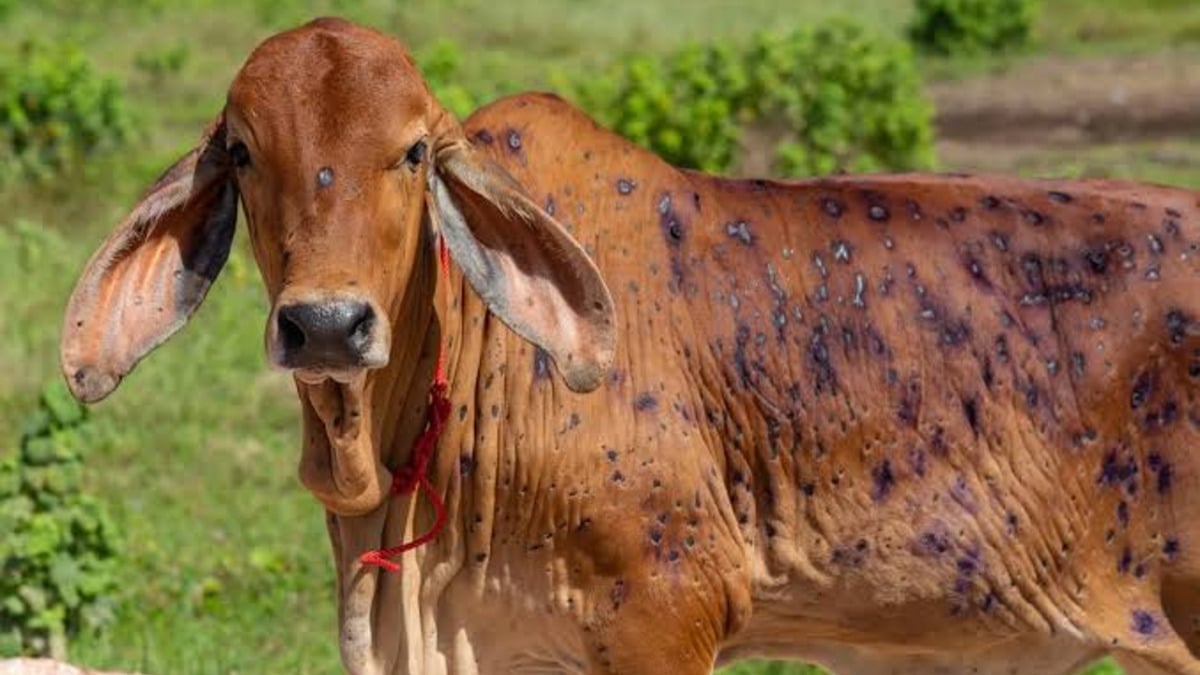
The structural integrity of Sargodha’s livestock ecosystem faces a significant threat as Lumpy Skin Disease Sargodha cases surge across the district. This calibrated increase in viral transmission among cattle and buffaloes has triggered alarms for dairy farm owners and stakeholders. Consequently, the baseline stability of the local agricultural economy is now under observation as surveillance data indicates a widening geographic footprint.
Mapping the Contagion: Critical Data Gaps
Current field intelligence identifies high-risk clusters in areas such as 92 NB, Behak Mekan, 87 NB, and 104 NB. Furthermore, locations like Dera Jada, Kundan Shahpur, and Mathalak report rising infection rates. Precision in reporting remains a primary concern for the livestock sector. While official departmental records identify approximately 10 to 12 cases, ground-level assessments suggest the actual volume of infected animals is substantially higher.
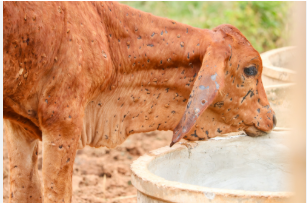
Farmers express frustration regarding the alleged non-availability of vaccines at the official level. This strategic delay has catalyzed the spread, forcing livestock owners to rely on expensive private treatments or traditional remedies. Without a synchronized vaccination campaign, the risk of a systemic failure in livestock health remains high.
The Translation: Breaking Down the Logic
Lumpy Skin Disease (LSD) is a viral infection characterized by nodules on the skin, which significantly reduces the productivity and market value of livestock. The “Next Gen” clarity here is simple: there is a dangerous discrepancy between bureaucratic data and field reality. This “Data Lag” prevents the deployment of necessary resources, such as vaccines and monitoring teams, creating a vacuum where the disease can flourish unchecked.
The Socio-Economic Impact: Daily Life Realities
For the average Pakistani household, livestock represents a primary capital asset—essentially a “living bank account.” A single animal loss can push a rural family into a cycle of debt. Moreover, the Lumpy Skin Disease Sargodha outbreak threatens the supply chain of milk and meat, potentially driving up prices for urban consumers. If the spread reaches the broader dairy hubs, the resulting inflationary pressure will affect the nutrition and budgets of millions.
The Forward Path: Strategic Analysis
This development currently represents a Momentum Shift toward instability. To restore equilibrium, the Livestock Department must execute a comprehensive district-wide survey and expedite vaccine distribution. Precision field monitoring is not just a health requirement; it is an economic imperative. We must shift from a reactive posture to a proactive defense to stabilize the livestock sector and prevent further economic attrition.
- Immediate district-wide survey for accurate case mapping.
- Rapid deployment of official vaccine stocks to high-risk zones.
- Enhanced field monitoring and transparency in data reporting.
- Public awareness campaigns focused on vector control and biosecurity.