
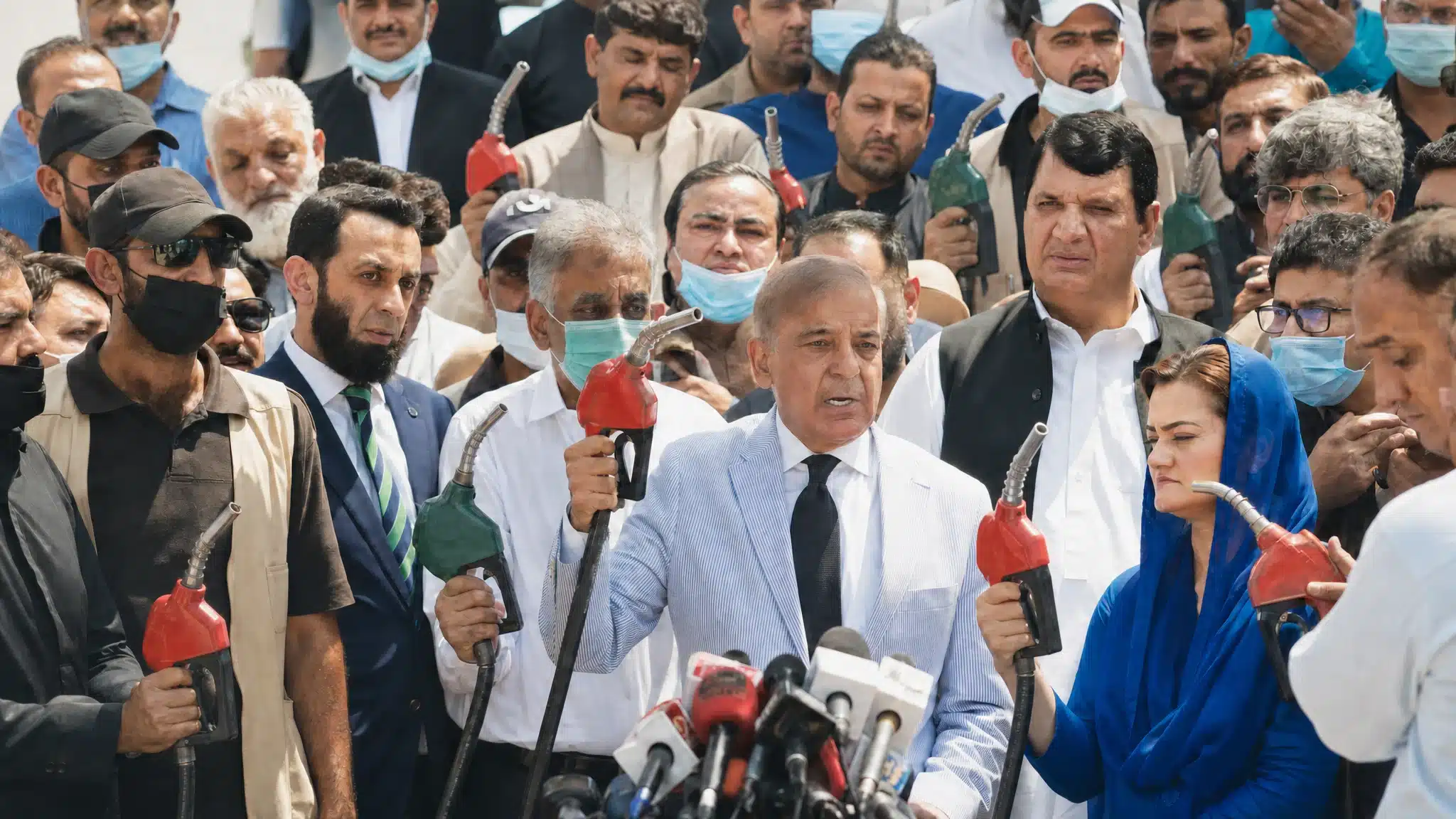
Calibrated economic shifts often signify a systemic pivot. Currently, the Pakistani government is preparing to announce a significant reduction in fuel prices in Pakistan this week. This strategic move responds to a precision decline in international oil benchmarks and local ex-refinery costs. Consequently, consumers may see petrol prices drop by Rs. 20 per litre, while high-speed diesel could see a reduction of up to Rs. 35 per litre by Friday.
Strategic Analysis of Fuel Prices in Pakistan
The latest data indicates a substantial cooling in the energy sector. Specifically, the ex-refinery cost of petrol transitioned from Rs. 245 to Rs. 225 per litre within a single week. Simultaneously, high-speed diesel followed a similar trajectory, dropping from Rs. 304 to Rs. 269 per litre. These figures provide the baseline for the government’s upcoming fiscal adjustments.
Global Market Catalysts and Regional Baseline
Furthermore, international market dynamics have acted as a primary catalyst for this shift. Worldwide petrol prices declined by approximately $10 per barrel to settle at $117. In contrast, diesel benchmarks plummeted by $18 per barrel to a $138 baseline. Despite these pullbacks, prices remain elevated compared to historical pre-war levels. For instance, petrol is still 27% higher than the February 2026 baseline of $91 per barrel.
The Situation Room Analysis
The Translation: Systemic Inventory Management
While the reduction appears as a simple “price cut,” it actually represents a complex balancing of import costs versus the Petroleum Development Levy. Currently, the government maintains a levy of Rs. 106 per litre on petrol and Rs. 53 on diesel. The upcoming decision will reveal whether the state prioritizes immediate consumer relief or fiscal revenue stabilization.
The Socio-Economic Impact: Precision Relief
A reduction in fuel prices in Pakistan directly influences the logistical backbone of the nation. Lower diesel costs specifically reduce the operational expenses for the agricultural sector and heavy transport. For the average citizen, this structural shift should eventually manifest as lower prices for essential commodities and reduced public transport fares in both urban and rural centers.
The Forward Path: Momentum Shift
We categorize this development as a Momentum Shift. While geopolitical tensions in the Middle East—specifically the ongoing violations of the US-Iran ceasefire in Lebanon—threaten to disrupt supply chains, the current domestic downward trend provides a necessary breathing room for the economy. If the government passes on the full ex-refinery benefit, it will act as a catalyst for broader economic stabilization.








