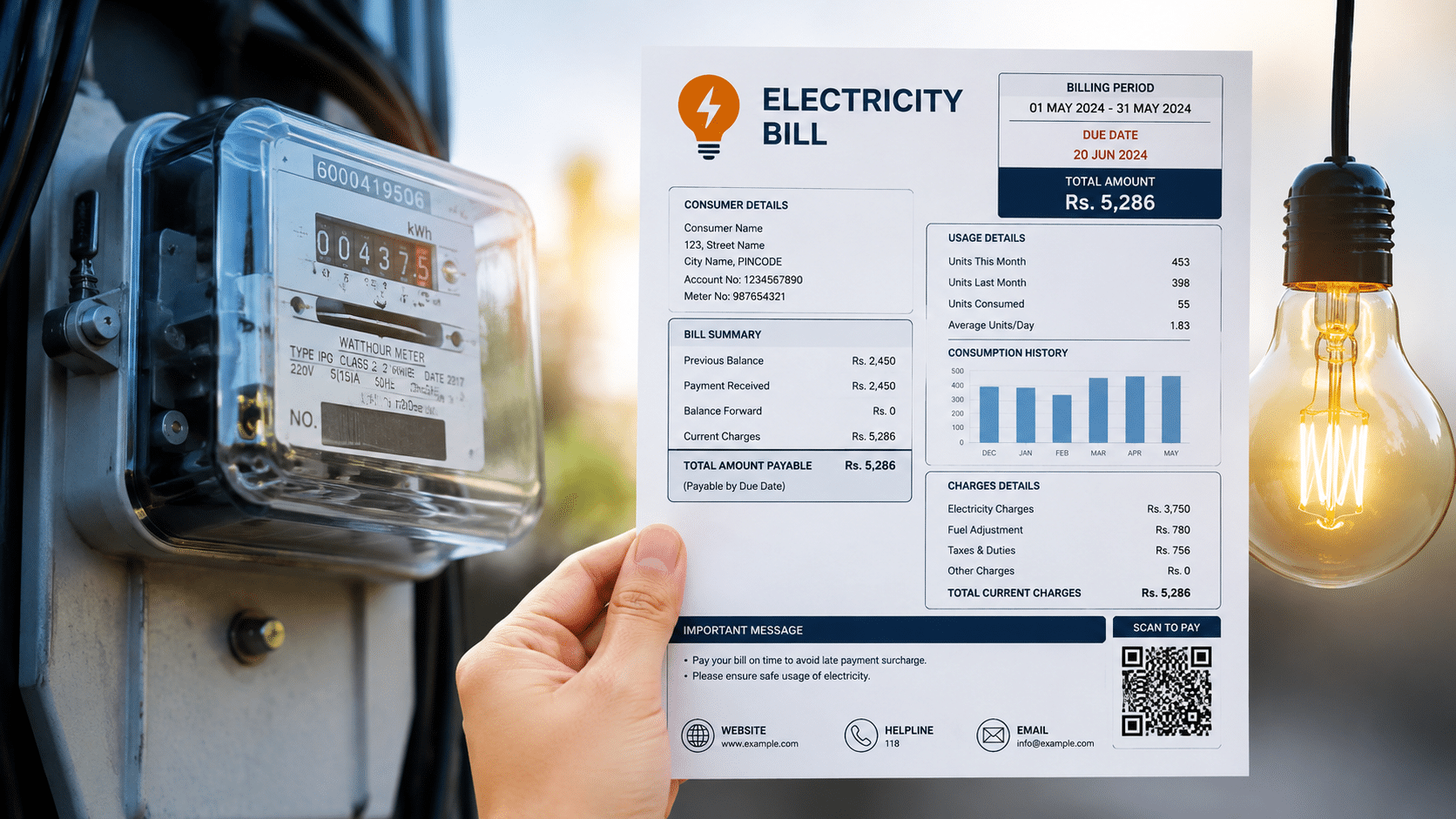
The national energy sector has calibrated a new electricity bill format to optimize consumer transparency and interface efficiency. This strategic redesign addresses long-standing structural complexities that previously obscured critical consumption data. By prioritizing precision, the government ensures that citizens can now verify fiscal obligations with minimal cognitive load. Consequently, the update marks a baseline improvement in how public utilities communicate with the population.
Modernizing the Electricity Bill Format for Consumer Clarity
Government officials recently finalized the nationwide rollout of the redesigned bill. This initiative directly responds to widespread feedback regarding the technical jargon and complex layouts of previous versions. Specifically, the new design prominently displays the total amount payable, due dates, and energy consumption metrics in a high-visibility format. This structural adjustment allows for immediate data recognition, which is essential for efficient household management.

Furthermore, the integration of technology serves as a primary catalyst for this overhaul. Every new bill now features a unique QR code. This digital anchor enables consumers to access real-time information and digital payment services instantly. By bridging the gap between physical paper and digital platforms, the utility companies are accelerating the national transition toward a more integrated digital economy.
The Translation: Breaking Down the Redesign
Complexity often masks inefficiency. The previous billing interface utilized dense data blocks that served as a barrier between the utility provider and the end-user. In contrast, the new electricity bill format translates these technical metrics into a visual hierarchy. The design removes unnecessary fillers, focusing instead on calibrated data points that reflect actual energy usage. This move ensures that transparency is not just a policy goal but a functional reality for every consumer.

The Socio-Economic Impact: Benefits for the Pakistani Citizen
For the average Pakistani household, this change significantly reduces “billing anxiety.” Professionals can now manage energy expenses with calibrated accuracy, while rural consumers benefit from a layout that highlights only the most vital data points. Improved transparency in billing is a baseline requirement for building public trust in national infrastructure. Consequently, providing clearer data empowers citizens to make informed decisions regarding their energy consumption habits and financial planning.
The Forward Path: Architecting a Modern Utility Experience
From an architectural standpoint, this update represents a Momentum Shift. While a design change may seem cosmetic, it reflects a fundamental shift toward a customer-centric service model within a historically rigid bureaucracy. This development serves as a catalyst for future innovations, such as smart-meter integration and real-time consumption tracking. Moving forward, the government must maintain this trajectory by ensuring that digital services remain accessible to all socioeconomic tiers of the country.