
Google officially deployed the Android 17 launch sequence, marking a structural shift in mobile operating systems through deep-seated AI integration. Consequently, this update transforms the Pixel ecosystem into a precision tool for communication, creativity, and system efficiency. While the rollout initiates with Google Pixel devices, the underlying architecture signals a broader calibration of how users interact with handheld technology.
Analyzing the Impact of the Android 17 Launch
The latest Pixel Drop functions as a catalyst for Google’s most advanced AI models. Specifically, the update integrates Lyria 3 for music generation and Gemini Omni for multimodal processing. For users of the Pixel 10a, the inclusion of AudioLM-powered speech-to-translation tools provides a baseline for seamless cross-lingual communication. Furthermore, Gemini Omni now enables users to execute complex video edits through simple conversational prompts, streamlining workflows for digital creators.
Productivity Architectures and The Bubble Bar
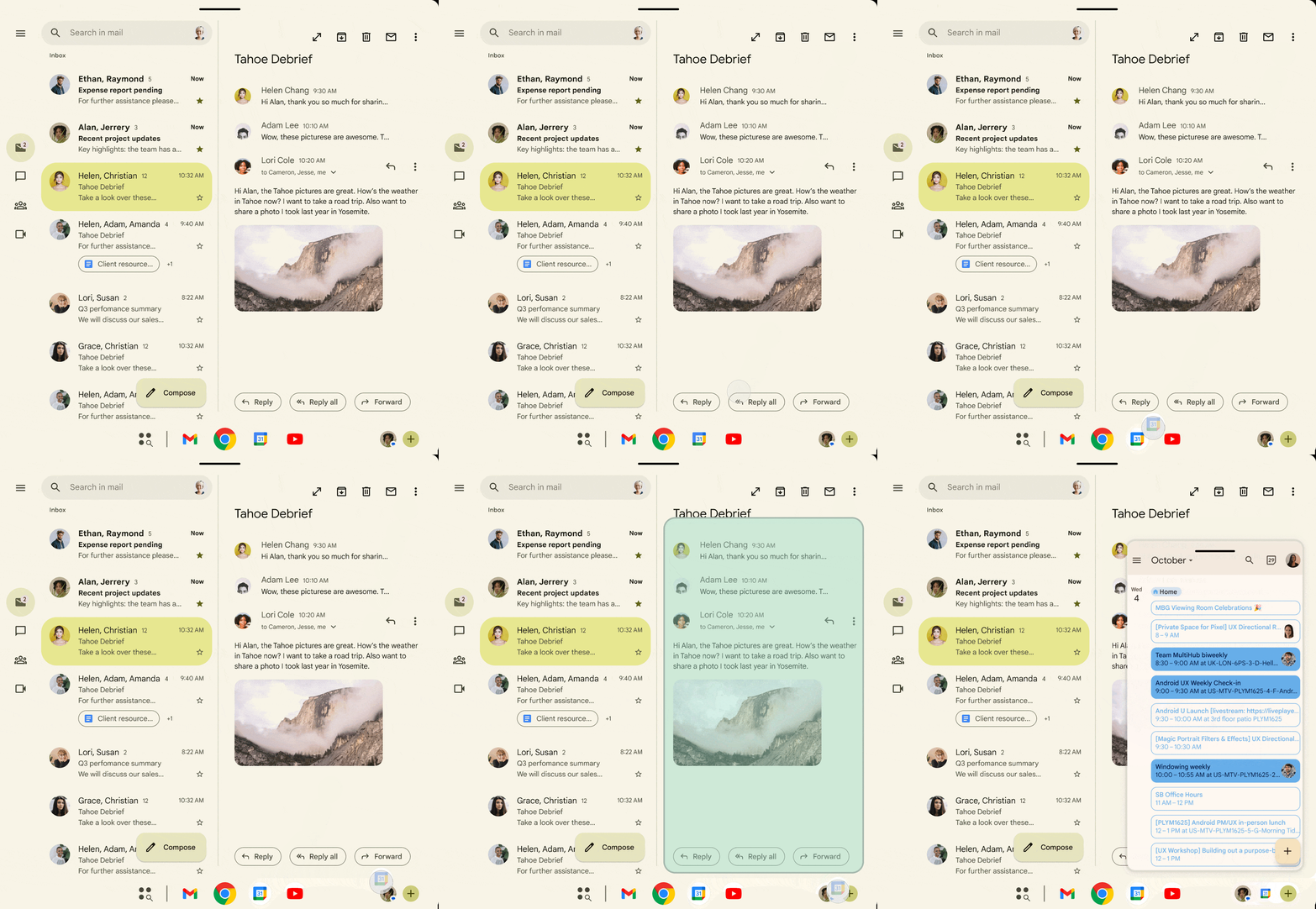
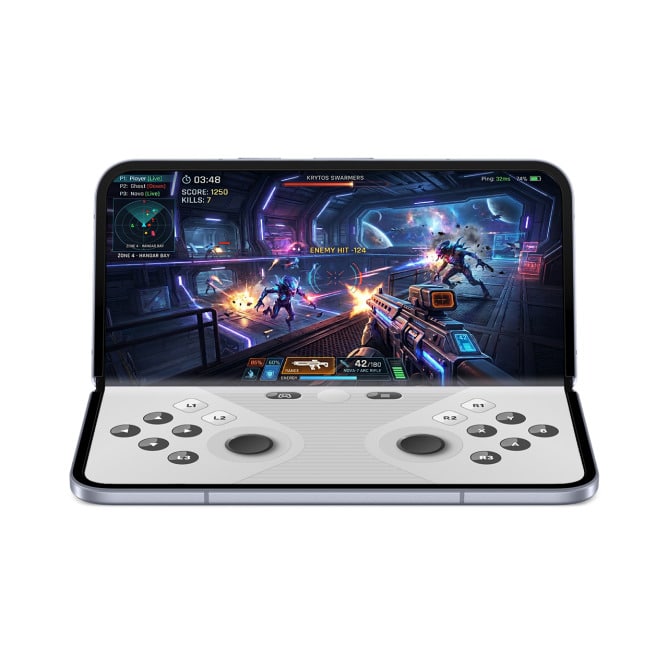
Android 17 introduces the Bubble Bar, a refined user interface element designed for high-velocity multitasking. This feature allows users to organize and access recent applications as dynamic bubbles at the screen’s base. It effectively supports multi-app workflows, which is essential for professional productivity. Additionally, the system now features a Foldable Gaming Mode, offering a calibrated 50/50 layout with a dynamic gamepad for folding devices.
Structural Security and Safety Protocols
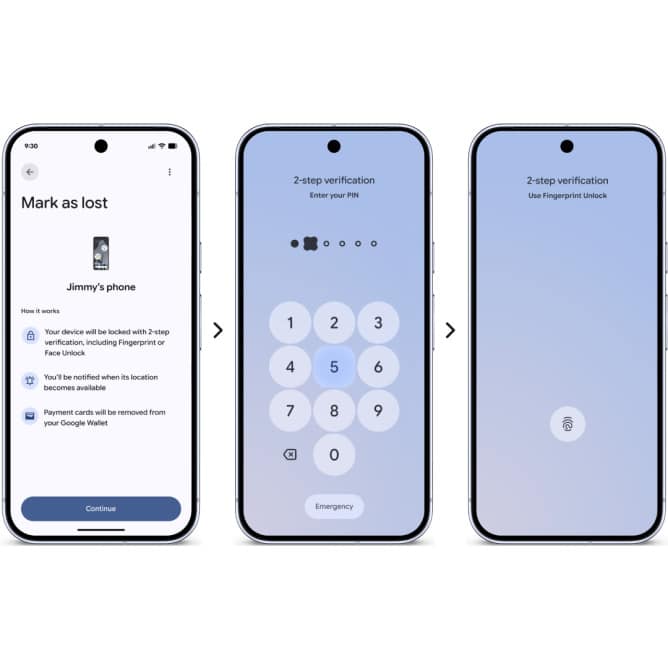
Safety remains a core structural pillar of this update. The Pixel Watch now includes emergency detection features that monitor for car crashes or a lack of pulse. If the hardware detects an anomaly, it automatically contacts emergency services. On the software side, Google has enhanced parental controls, allowing for screen time limits and content filtering via a PIN—negating the need for a linked Google account. Users can also utilize the Mark as Lost feature within the Find Hub to secure data instantly.
Wear OS 7: Ecosystem Calibration
The release of Wear OS 7 further synchronizes the Google hardware ecosystem. Smartwatches now mirror live updates from phone applications and demonstrate a 10% improvement in battery efficiency. In contrast to previous iterations, Wear OS will soon support Gemini Intelligence, allowing users to create personalized widgets through natural language descriptions. This creates a cohesive link between wearable tech and personal digital history.
The Situation Room Analysis
The Translation
The “AI-first” branding translates into multimodal utility. Instead of static apps, Android 17 moves toward an “Agent-based” OS where the system understands text, images, and voice simultaneously. Tools like Gemini Omni move AI from a gimmick to a functional layer that manages files, edits media, and translates speech in real-time, effectively reducing the cognitive load on the user.
The Socio-Economic Impact
For the Pakistani citizen, this update lowers the barrier to high-level digital production. Students and freelancers can now leverage Lyria 3 and Gemini for creative output without expensive hardware. Moreover, the enhanced safety features on Pixel wearables provide a critical security baseline for the elderly and commuters in urban centers, potentially saving lives through automated emergency responses.
The Forward Path
This development represents a significant Momentum Shift. Google is no longer just updating an interface; they are installing an AI brain into the device’s core. As Pakistan’s digital infrastructure matures, adopting these precision-driven systems will be the catalyst for increased national efficiency and global competitiveness in the tech sector.








