A nation’s industrial efficiency is calibrated by the competitiveness of its baseline sectors. Consequently, the recent allegations regarding a Pakistan auto monopoly signal a critical need for structural realignment within the automotive industry. Senator Faisal Vawda recently accused the existing regulatory framework of favoring a small group of four firms, arguing that this concentrated power stifles innovation and creates financial inefficiencies for the state.
Structural Weaknesses in the Pakistan Auto Monopoly
The Senate Standing Committee on Finance, chaired by Senator Saleem Mandviwalla, recently scrutinized vehicle safety standards and institutional jurisdiction. During these proceedings, Senator Vawda questioned the very policy framework that governs the industry. He argued that the current structure serves as a catalyst for financial losses. Furthermore, he noted that regulatory bodies frequently act beyond their defined mandates, which reinforces the Pakistan auto monopoly.
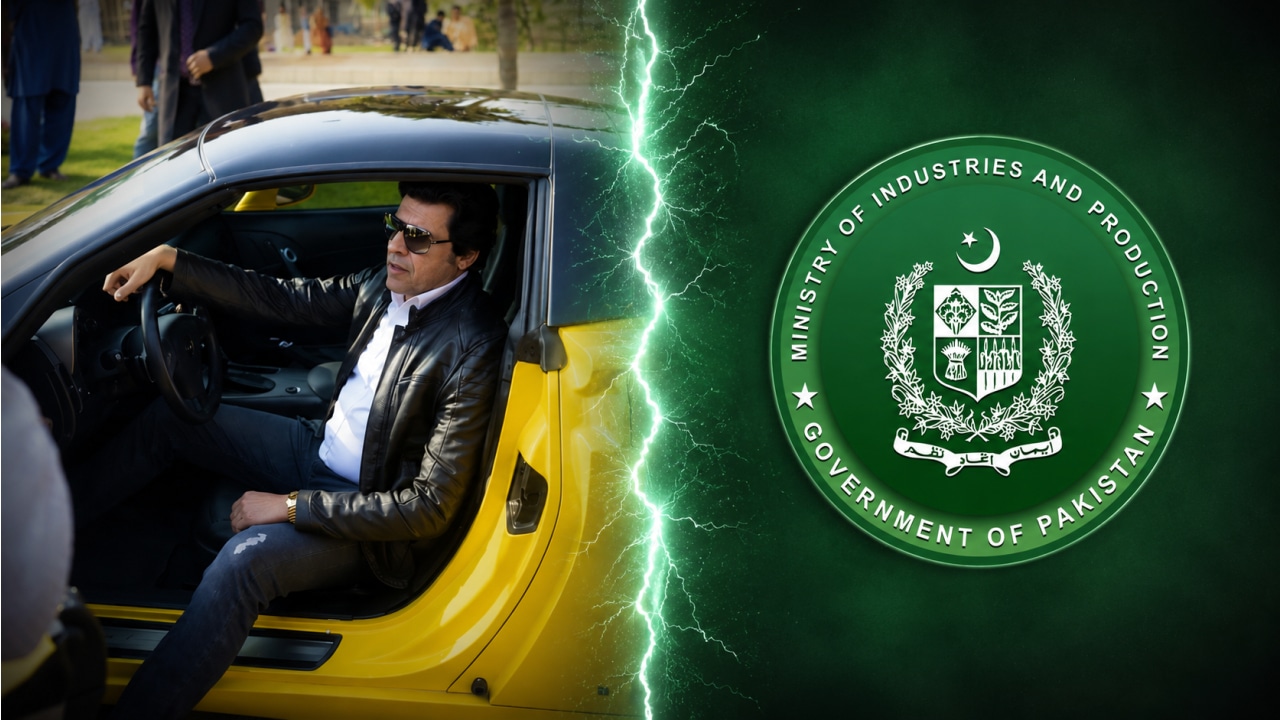
Vawda specifically targeted the Engineering Development Board (EDB). He criticized its role in setting safety and inspection standards, suggesting the board lacks the precision required for modern oversight. In contrast to historical norms, lawmakers noted that authority over safety standards has fluctuated between the Ministry of Industries and Production and the Ministry of Science and Technology, creating a vacuum of accountability.
Regulatory Calibration and Future Oversight
Representatives from the commerce and science ministries informed the panel that the Cabinet Committee has assigned regulatory responsibility to the Ministry of Industries and Production. However, the legal framework remains in a draft stage. This delay prevents the immediate implementation of more rigorous standards. Officials acknowledged past administrative shortcuts and claimed that corrective measures are now being integrated into the new draft.
The committee concluded by deciding to revisit the matter. They aim to propose a clearer division of responsibilities to dismantle the perceived Pakistan auto monopoly. Until these regulations receive parliamentary approval, the sector remains in a state of strategic transition.
The Translation: Clear Context
Essentially, the “four-company monopoly” refers to the long-standing dominance of a few local assemblers who benefit from high import duties on competitors. The “jurisdictional friction” between ministries means that while one department wants to enforce safety, another may prioritize industrial output. This confusion allows the Pakistan auto monopoly to operate without the precision of international safety benchmarks.
The Socio-Economic Impact
For the average Pakistani citizen, this lack of competition results in higher car prices and lower safety features compared to global markets. Specifically, students and young professionals face a higher barrier to entry for mobility. In rural areas, the lack of diverse, affordable vehicle options limits economic connectivity. Correcting this monopoly would theoretically lower costs and improve the structural integrity of vehicles on Pakistani roads.
The Forward Path: Senior Strategist Opinion
This development represents a Momentum Shift. While the regulatory framework is still in draft form, the public scrutiny of the Pakistan auto monopoly in the Senate is a strategic step toward market liberalization. To succeed, the government must move beyond verbal allegations and codify the draft safety standards into law. Precision in enforcement will be the ultimate catalyst for a more equitable automotive ecosystem.