
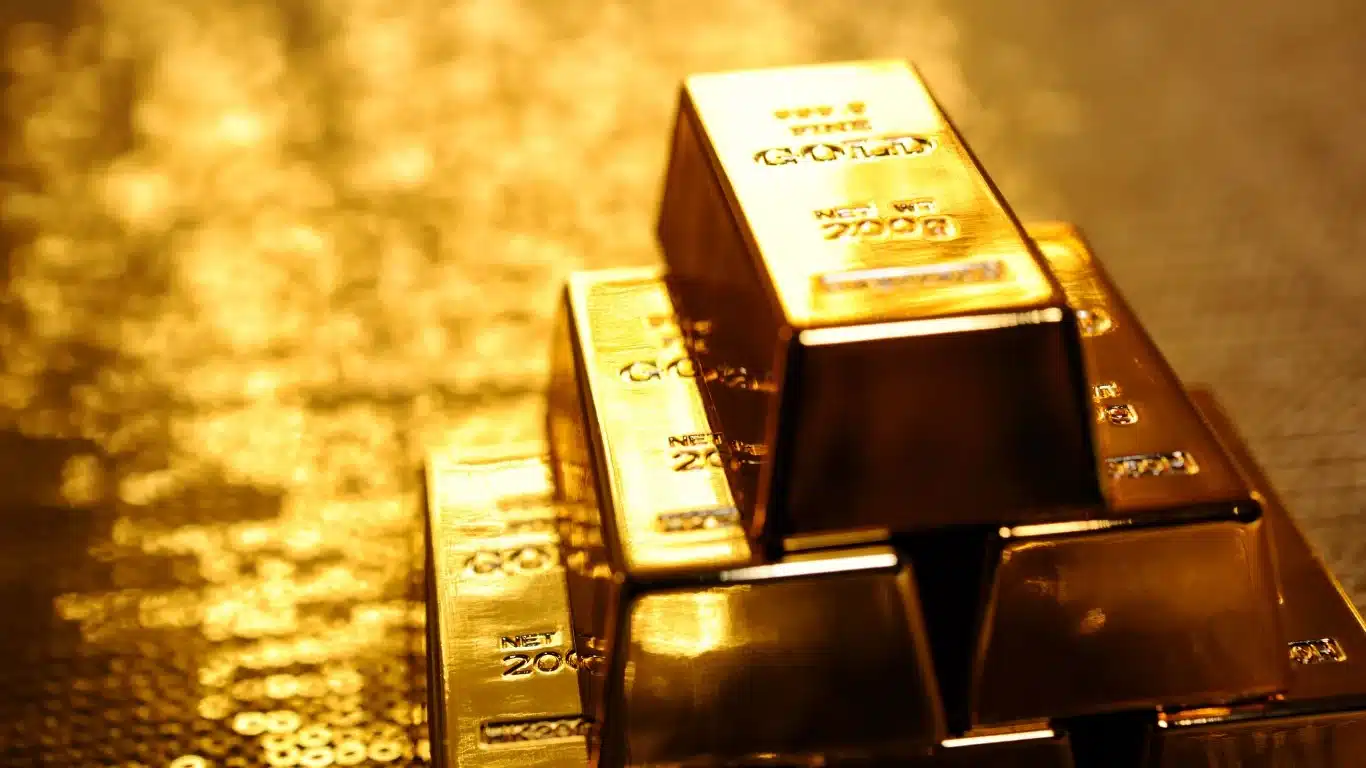
The global commodities market recently calibrated a significant upward shift, causing a seismic surge in domestic valuations. Gold prices in Pakistan have now breached the critical baseline of Rs. 4.5 lac per tola, reflecting an intense structural reaction to international market volatility. Consequently, the local bullion market has adjusted its pricing models to reflect the $108 jump in global gold rates.
The Translation: Analyzing the Price Surge
According to the data provided by the All Pakistan Sarafa Gems and Jewelers Association, the price of gold per tola increased by a massive Rs. 10,800. This brings the current market rate for 24k gold to Rs. 455,136. Furthermore, the price for 10 grams of gold appreciated by Rs. 9,720 to settle at a precision value of Rs. 389,600. In contrast, the international market saw gold prices settle at $4,327 per ounce, acting as the primary catalyst for this domestic spike. Silver also followed this upward trend, gaining Rs. 230 to settle at Rs. 7,509 per tola.
The Socio-Economic Impact: What This Means for Citizens
This rapid appreciation in gold prices in Pakistan transforms the metal from a common savings vehicle into a high-entry luxury asset. For students looking toward future financial security and professionals planning upcoming weddings, these rates create a significant budgetary disruption. Urban households often rely on gold as a hedge against inflation; however, the current barrier to entry may force a shift toward alternative investment strategies. Furthermore, the jewelry industry faces a structural challenge as retail demand traditionally cools during periods of extreme price volatility.
The Forward Path: Momentum Shift or Stabilization?
This development represents a definitive Momentum Shift driven by global inflationary pressures rather than local market dynamics. While the domestic market seeks a new stabilization point, the reliance on international benchmarks ensures that high volatility will persist in the short term. For the strategic investor, precision in timing is now a prerequisite. We expect the market to remain in a calibrated state of flux until international currency indices show more consistent stability.








