
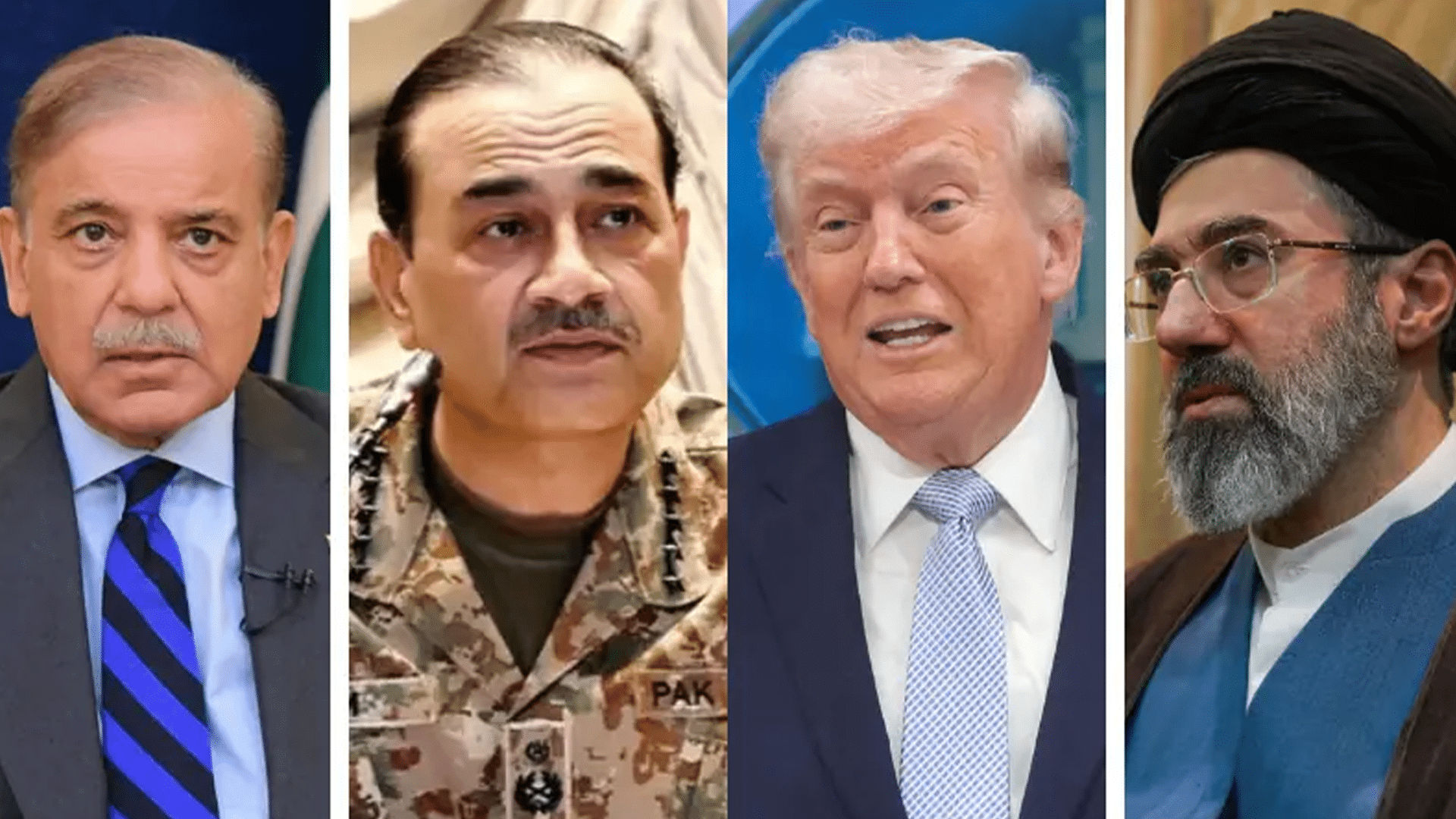
The Islamabad peace deal has reached a decisive catalyst point as Iranian Foreign Minister Seyed Abbas Araghchi confirms the Memorandum of Understanding (MoU) is closer to finalization than ever before. This calibrated diplomatic framework represents a structural alignment between Islamabad and Tehran, designed to resolve long-standing regional tensions. While officials maintain strict confidentiality regarding the specific clauses, the precision of current negotiations suggests a baseline shift in Middle Eastern and South Asian geopolitics.
The Translation: Decoding the Islamabad Peace Deal
Negotiations are currently transitioning from conceptual dialogue to technical finalization. The “Islamabad Memorandum of Understanding” serves as a strategic blueprint for regional stability rather than a simple ceasefire document. By emphasizing a “responsible and transparent approach,” both nations are signaling to global markets that border corridors are moving from volatility to managed security. Furthermore, this MoU provides the structural foundation required to end the Gulf War and integrate high-capacity trade routes across the region.
The Socio-Economic Impact: What This Means for Pakistanis
The stabilization of the western border produces direct benefits for the daily lives of Pakistani citizens. Consequently, a successful Islamabad peace deal will likely influence the following areas:
- Energy Security: Strategic stabilization often revives stalled energy pipeline projects, which can lead to lower household utility costs over time.
- Trade Efficiency: Secure borders facilitate the smoother movement of goods, directly reducing the price of essential imported commodities for local families.
- Market Confidence: Reduced regional friction attracts foreign direct investment (FDI), creating precision-driven job opportunities for urban professionals and STEM graduates.
- Regional Mobility: Enhanced border coordination simplifies legal travel and commerce, benefiting small business owners in Balochistan and surrounding provinces.
The Forward Path: A Strategic Momentum Shift
This development represents a significant Momentum Shift for the nation. For decades, Pakistan has functioned as a diplomatic stabilizer; however, the formalization of the Islamabad peace deal elevates the country to a primary regional architect. The convergence of Iranian, Pakistani, and U.S. interests—despite their complex historical friction—indicates that economic necessity is finally driving regional policy. We view this movement as a vital catalyst for long-term system efficiency and economic prosperity in Pakistan.








