The structural calibration of the Federal Budget 2026-27 has maintained a critical baseline for sustainable mobility. Consequently, BYD car prices in Pakistan will remain unchanged, providing strategic stability for early adopters of electric technology. The proposed fiscal framework ensures that the current lineup of electric vehicles (EVs) remains exempt from the new tiered duty structure.
Calibrated Duty Structure for Electric Vehicles
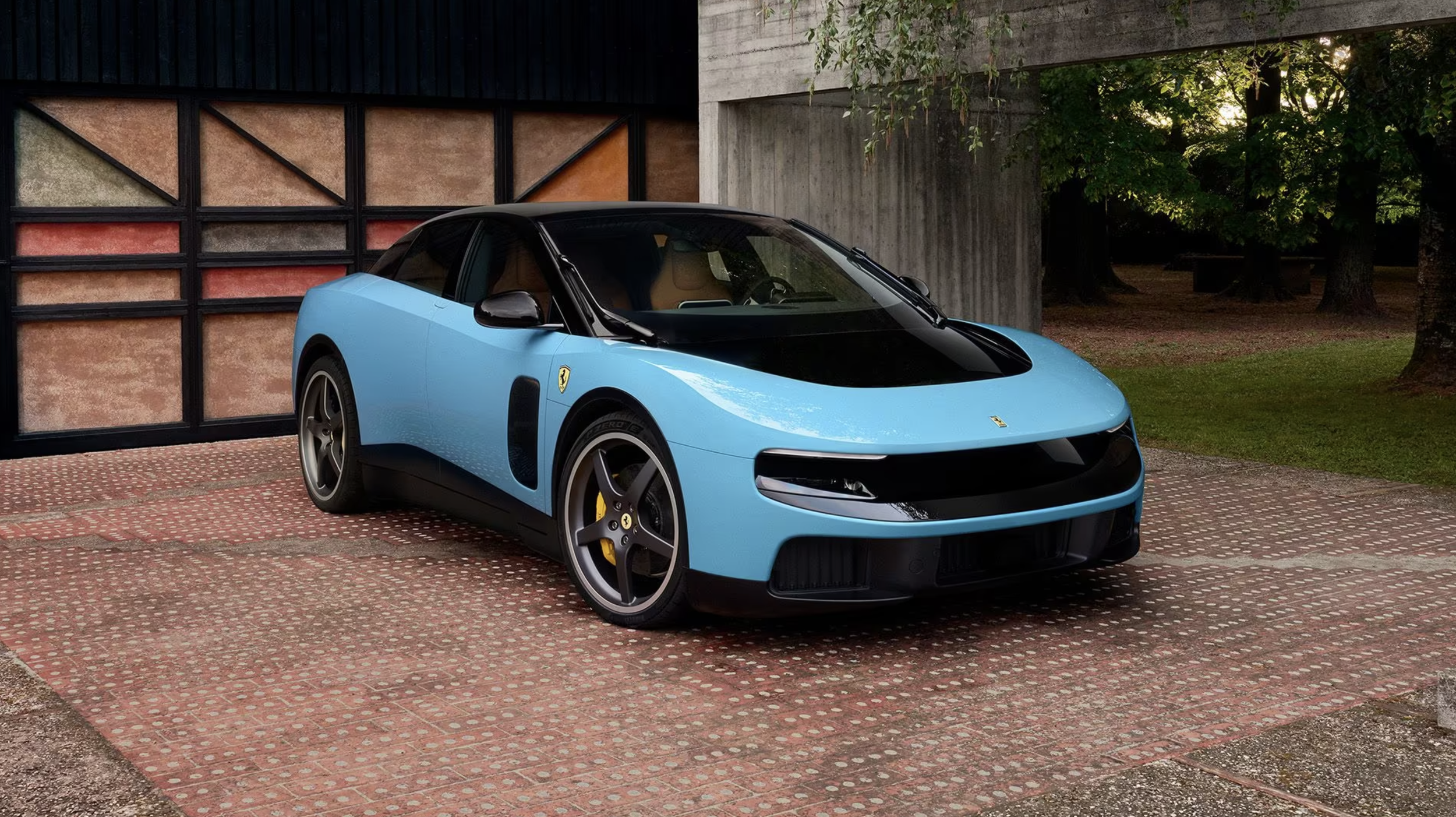
Under the new legislative proposal, the government has defined clear thresholds for imported EVs in a completely built-up (CBU) condition. Specifically, vehicles valued up to Rs. 20 million will remain duty-free. This precision in policy protects mid-range EVs from the 30% and 40% duty brackets reserved for high-value luxury imports.
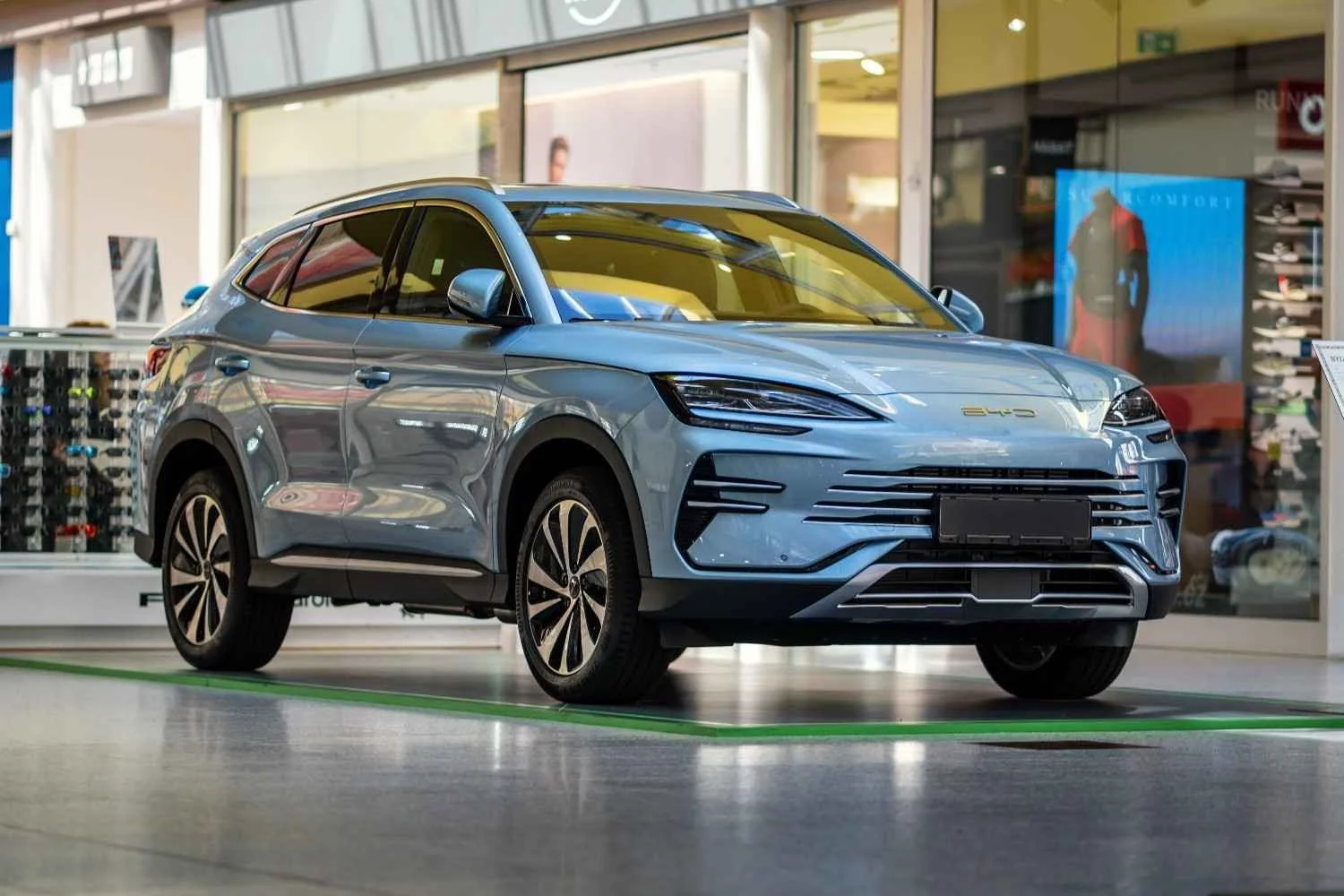
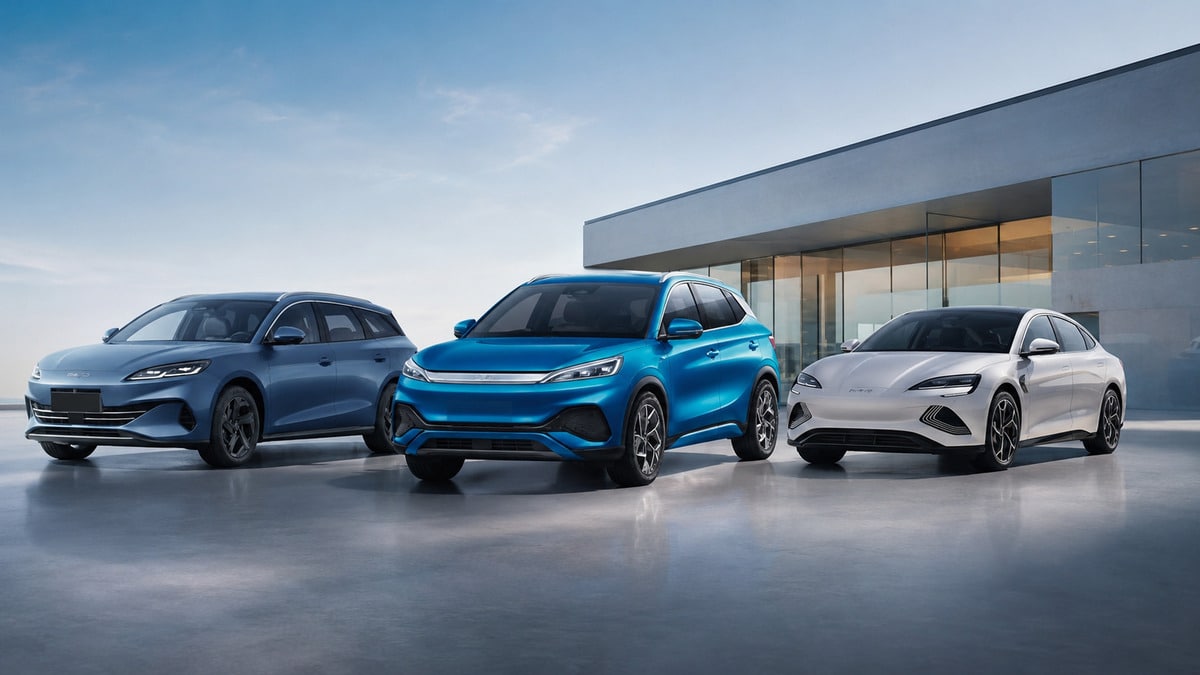
Current BYD Car Prices Post-Budget 2026-27
- BYD Atto 2 Premium: Rs. 7,290,000
- BYD Atto 3 Advance: Rs. 8,990,000
- BYD Seal Dynamic: Rs. 14,790,000
- BYD Seal Premium: Rs. 16,990,000
- BYD Sealion 7 Advanced: Rs. 15,490,000
- BYD Shark 6 Premium: Rs. 19,950,000

The Translation: Analyzing the Fiscal Logic
The “Next Gen” logic here is simple: the government is incentivizing mass-market EV adoption while taxing luxury consumption. By setting the duty-free ceiling at Rs. 20 million, the state protects the most popular models in the BYD fleet. This move ensures that BYD car prices do not succumb to inflationary pressures often seen in the traditional internal combustion engine (ICE) market.
Socio-Economic Impact: What This Means for Citizens
For the average Pakistani professional or household, this price maintenance acts as a catalyst for energy transition. Because BYD car prices are staying level, the barrier to entry for high-efficiency transport remains accessible. Consequently, this prevents a “green divide” where only the ultra-wealthy benefit from lower fuel costs and reduced maintenance overheads in urban centers like Lahore and Karachi.
The Forward Path: Momentum Shift or Stabilization?
We categorize this development as a Momentum Shift. While the budget maintains current price points, the decision to leave the sub-20 million segment duty-free signals a long-term strategic commitment to electrification. This precision in tax policy provides the necessary baseline for consumers to transition away from fossil fuel dependency with confidence.