
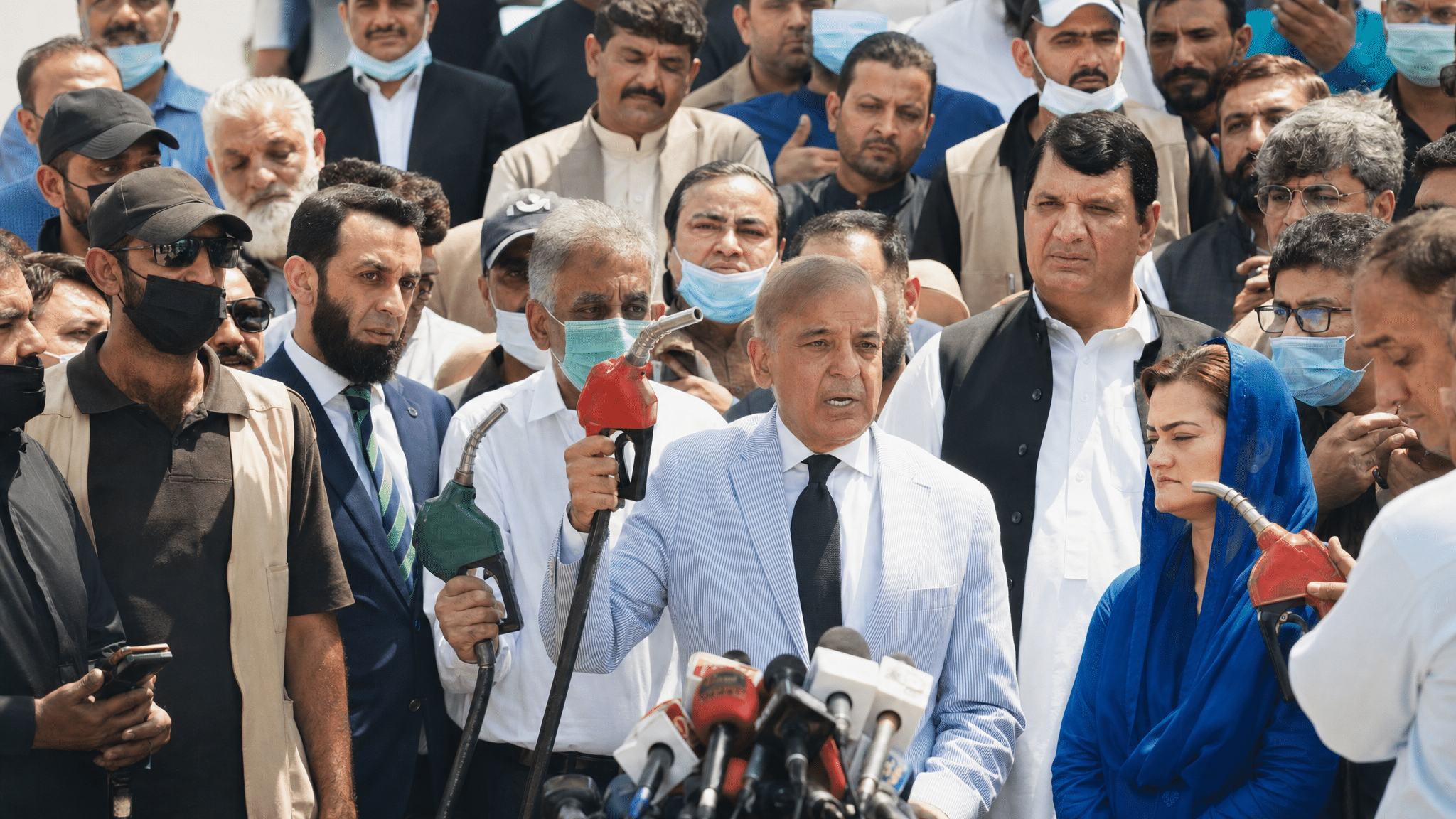
The federal government has initiated a strategic Petrol Price Cut to stabilize the domestic energy baseline. Effective from midnight on June 13, 2026, the Petroleum Division calibrated a reduction of Rs. 4 per litre for petrol. This decision follows a consistent downward trend in energy pricing, aiming to provide a catalyst for reduced transport costs across the national infrastructure.
Structural Details of the Price Recalibration
Specifically, the updated price for petrol now stands at Rs. 373.78 per litre, descending from the previous mark of Rs. 377.78. High-speed diesel also observed a precision adjustment, decreasing by Rs. 2 to reach a new level of Rs. 378.56 per litre. Consequently, these figures represent the second consecutive week of pricing reductions by the state authorities.

The Situation Room: The Translation
The logic behind this Petrol Price Cut extends beyond mere fiscal arithmetic. While a Rs. 4 reduction may seem nominal, it functions as a structural signal to the market. By maintaining a downward trajectory, the government is attempting to lower the inflationary floor. Furthermore, this adjustment aligns with broader energy conservation efforts currently being implemented across the public sector.
The Socio-Economic Impact
How does this change the daily life of a Pakistani citizen? For the average household, this reduction serves as a strategic relief valve for commuting expenses. Furthermore, lower diesel prices directly influence the supply chain, potentially stabilizing the cost of essential commodities and perishables. Consequently, students and urban professionals may witness a marginal increase in disposable income as logistics costs normalize.

Global Dynamics and Resource Management
Pakistan exists within a complex global energy framework. Strategic interactions between major powers and international trade shifts necessitates a calibrated domestic response. Moreover, maintaining stability in resource allocation, from energy to local fisheries, remains a priority for long-term sustainability.


The Forward Path: Expert Opinion
This development represents a Stabilization Move rather than a total momentum shift. While the reduction is modest, it demonstrates a commitment to maintaining a precision-based pricing mechanism. Ultimately, the focus remains on ensuring that systemic efficiency is prioritized over volatile market fluctuations.









