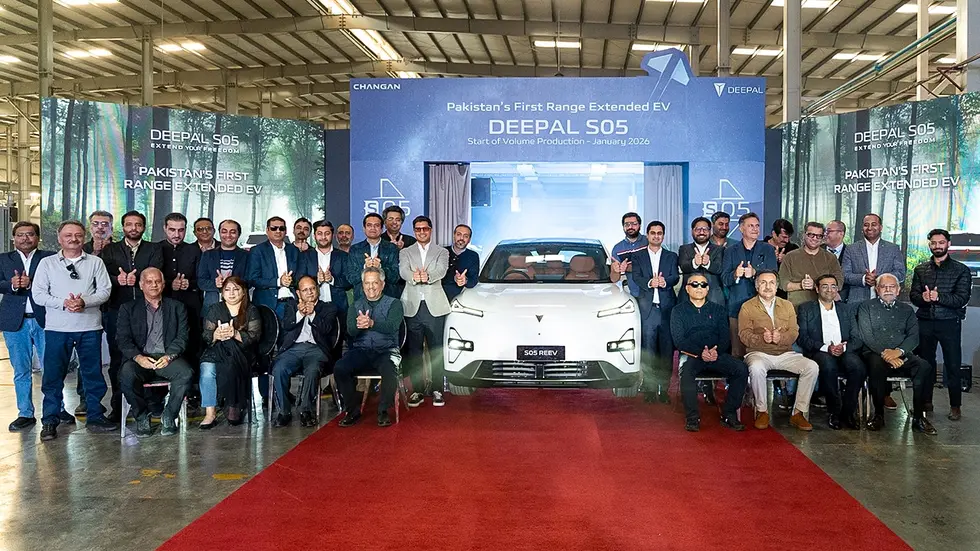
The Pakistan government has calibrated its 2026-27 budget to accelerate the adoption of sustainable mobility through strategic Imported EV duty exemptions. By offering 0% Federal Excise Duty (FED) on personal-use vehicles valued under Rs. 20 million, the state aims to lower the barrier for entry while simultaneously incentivizing domestic manufacturing through aggressive tax breaks on CKD components. This structural shift reflects a precision-led approach to decarbonizing the national transport grid.
Decoding the Tiered Duty Framework
The new fiscal policy introduces a progressive tax structure designed to protect the economy while encouraging green adoption. Specifically, imported electric cars, SUVs, and pickups in CBU condition will enjoy 0% FED if their import value—including customs duty—remains below Rs. 20 million. Consequently, this creates a clear baseline for affordable electric mobility.
- Value up to Rs. 20 million: 0% FED for personal use.
- Value Rs. 20M to Rs. 30M: 30% FED applied.
- Value above Rs. 30 million: 40% FED applied.
Furthermore, the Finance Bill extends the 25% customs duty concession for four-wheelers valued below US$50,000 until June 30, 2027. This move stabilizes the market for mid-range consumers while penalizing luxury imports that drain foreign exchange reserves.
How Imported EV Duty Changes Support Local Assembly
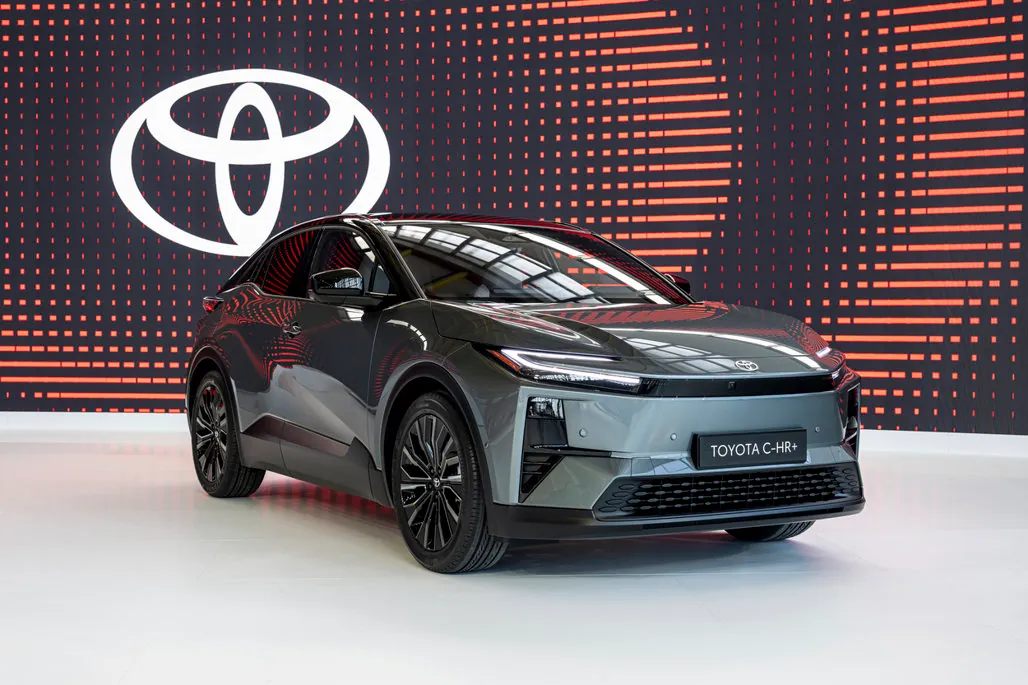
A core pillar of this strategy is the “Pakistan Accelerated Vehicle Electrification” (PAVE) programme. To catalyze domestic production, the government allows companies to import up to 100 CBU units at 50% of the standard customs duty rate, provided they commit to local assembly. Additionally, the duty on EV-specific CKD components for four-wheelers and vans has been slashed to a mere 1%.
Strategic Customs Rates for Manufacturers:
- EV-specific CKD parts: 1% Customs Duty.
- Non-localized CKD parts: 10% Customs Duty.
- Localized CKD parts: 25% Customs Duty.
- Plant & Machinery: 0% one-time duty for new EV facilities.
In contrast, the policy for electric motorcycles and rickshaws is even more aggressive. EV-specific components for two-wheelers will attract only 1% duty, bolstered by subsidized financing under the PAVE initiative. These measures represent a calculated effort to transition the masses toward low-emission transport.
The Translation: Clear Context
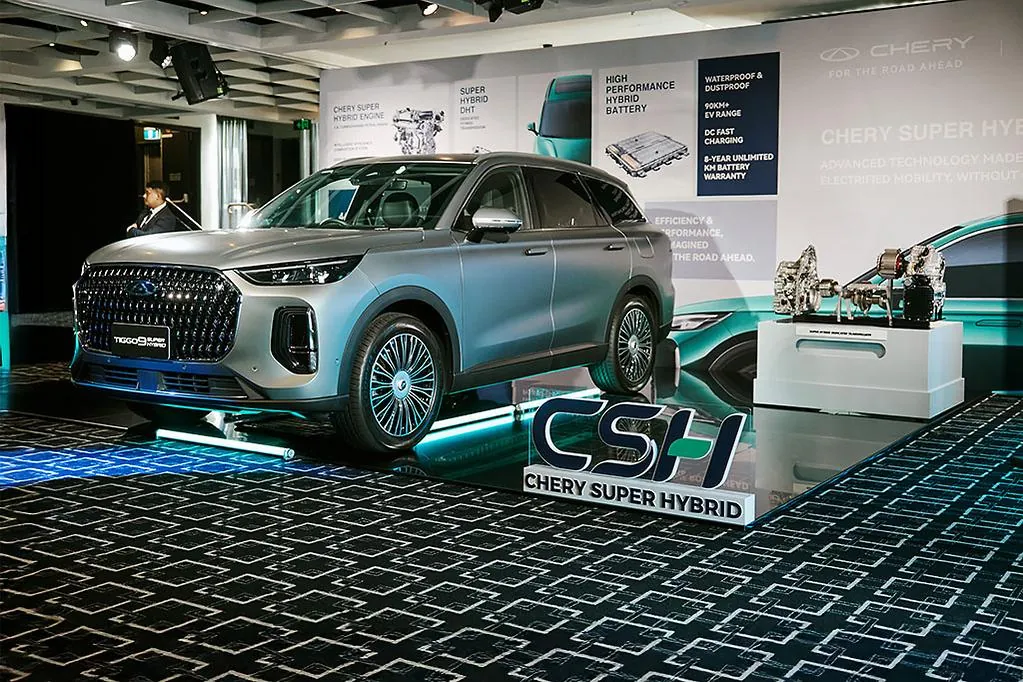
The government is essentially using a “carrot and stick” approach. The 0% FED “carrot” applies only to the most affordable Imported EV duty bracket to prevent the policy from becoming a subsidy for the ultra-wealthy. By keeping duties high on luxury EVs (>Rs. 20M) and low on manufacturing components (1%), the logic is to force global brands to build factories in Pakistan rather than just using it as a retail market.
The Socio-Economic Impact
For the average Pakistani household, this transition reduces the long-term cost of ownership. Lower duties on electric bikes and rickshaws will directly decrease commuting costs for students and daily-wage professionals. Urban centers may see a reduction in noise and air pollution, while the localized manufacturing incentives aim to create high-tech engineering jobs for the next generation of STEM graduates.
The Forward Path: Strategic Opinion
This development represents a significant Momentum Shift. By aligning fiscal policy with technological trends, Pakistan is finally building the structural baseline required for an EV ecosystem. However, the success of this plan depends entirely on the simultaneous expansion of the national charging infrastructure and the reliability of the power grid. Without “precision” in infrastructure execution, these tax breaks will remain underutilized.