
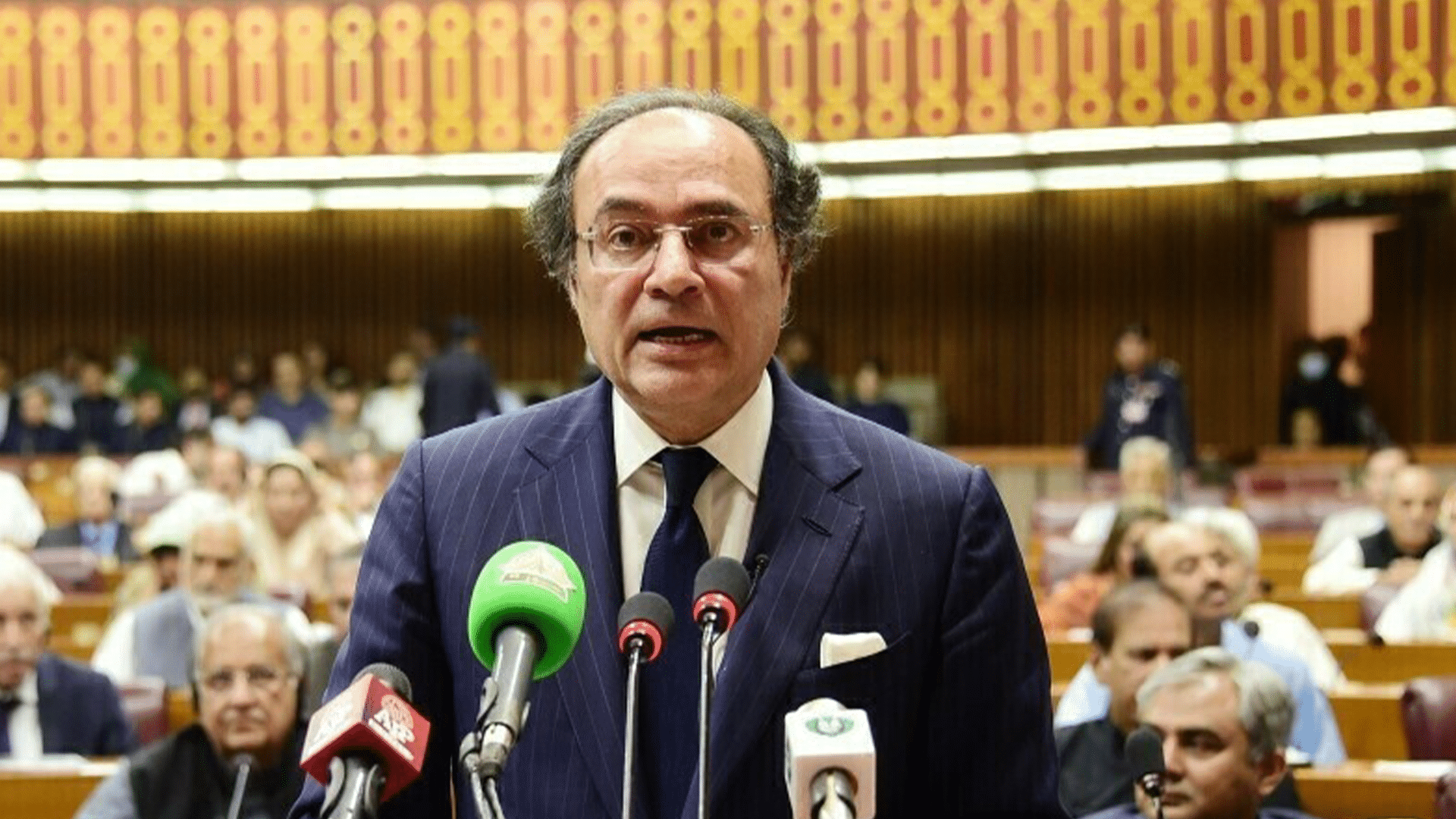
Finance Minister Muhammad Aurangzeb calibrated the Pakistan Budget 2026-27 to act as a structural catalyst for national economic recovery. The government designed this fiscal roadmap to transition from stabilization to sustainable growth. Specifically, the strategy prioritizes tax documentation, energy efficiency, and a robust digital economy baseline. This budget reflects a disciplined effort to optimize system efficiency while shielding vulnerable citizens from international price volatility.
The Translation: Decoding the Fiscal Strategy
The government is moving away from arbitrary tax enforcement toward a technology-driven, faceless assessment system. By integrating Artificial Intelligence into FBR operations, the administration aims to reduce human discretion and eliminate corruption. Consequently, this shift provides a predictable tax environment for investors. The reduction in export income tax from 1% to 0.25% specifically targets a surge in foreign exchange earnings. This move incentivizes the IT sector to integrate more deeply into global value chains.
Socio-Economic Impact: What It Means for You
For the average Pakistani household, the Pakistan Budget 2026-27 offers direct relief through revised income tax slabs. Salaried individuals earning between PKR 600,000 and 1.2 million will see their tax rate drop from 5% to 1%. Additionally, the 10% salary increase for federal employees and a rise in the minimum wage to Rs40,000 aim to restore purchasing power. Furthermore, the Prime Minister’s Fan Replacement Program will lower monthly electricity bills by optimizing energy consumption across the national grid.

Advancing the Digital and Energy Frontier
The state has prioritized a “Digital-First” economy by announcing the 5G spectrum auction. This technological leap serves as a precision tool for improving business productivity and innovation. Moreover, the Pakistan Budget 2026-27 allocates significant resources to the Pakistan Accelerated Vehicle Electrification (PAVE) program. This initiative will provide subsidized financing for electric motorcycles and rickshaws. Ultimately, these measures reduce fuel imports and align Pakistan with global environmental sustainability standards.
Strategic Agricultural & Industrial Pillars
- Agri-Storage Facility: New infrastructure to reduce post-harvest losses and ensure food security.
- National Tariff Policy: Rationalized duties on raw materials to boost industrial competitiveness.
- Special Investment Facilitation Council (SIFC): A streamlined platform to accelerate energy and mining projects.
- Social Impact Bonds: Linking skills development financing to measurable employment outcomes.
The Forward Path: Architect’s Opinion
The Pakistan Budget 2026-27 represents a decisive Momentum Shift. While previous budgets focused on survival, this framework emphasizes precision and structural reform. The focus on AI-driven governance and the 5G rollout suggests a forward-thinking approach to systemic efficiency. If the government maintains this calibrated execution, these reforms will act as a baseline for a more resilient and digitized national economy. Success now depends on the disciplined implementation of these strategic objectives.








