
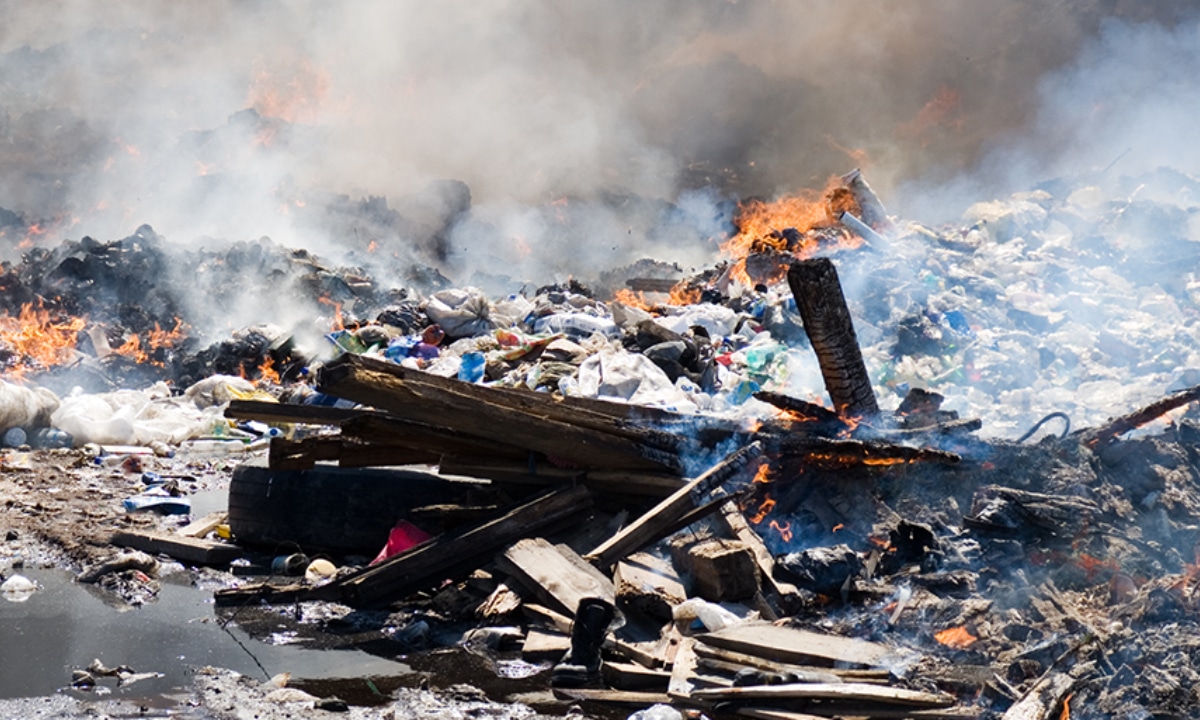
Justice Shahid Karim of the Lahore High Court (LHC) has calibrated a new legal baseline for environmental accountability by initiating a province-wide crackdown on illegal waste disposal. By directing the Punjab police to register First Information Reports (FIRs) against violators, the court is addressing the structural failures that catalyze the annual smog crisis. This precision-driven mandate ensures that both private contractors and public authorities adhere to designated environmental safety protocols.
A Calibrated Strike Against Environmental Negligence
The court specifically ordered Station House Officers (SHOs) across Punjab to enforce immediate legal action against unauthorized dumping activities. During the proceedings, Justice Karim highlighted the failure of local oversight, particularly noting unauthorized sites used by major housing schemes. Consequently, the Deputy Commissioner of Lahore must now install descriptive signboards at non-designated sites to prevent further unlawful activity.
Strategic Enforcement Directives:
- Mandatory FIRs: SHOs are now legally obligated to register cases for unauthorized dumping.
- Contractor Accountability: Specific warnings issued to housing society contractors following repeat violations.
- Monitoring Smog Catalysts: Rescue 1122 will provide data on waste burning within residential zones.
The Translation
This judicial intervention represents a transition from passive reporting to active enforcement. In simple terms, the court has removed the “discretionary” power of the police regarding environmental crimes. By treating illegal waste disposal as a criminal offense requiring an immediate FIR, the system creates a high-friction environment for polluters. This logic bridges the gap between environmental theory and urban reality, ensuring that housing societies and cantonment boards operate within a strictly defined baseline of waste management.
The Socio-Economic Impact of Illegal Waste Disposal
For the average Pakistani citizen, this crackdown targets the root causes of urban smog, which currently costs the economy billions in healthcare expenses and lost productivity. Reducing waste burning and dumping directly improves air quality, offering immediate relief to households in high-density urban centers. Furthermore, these measures protect the long-term health of students and professionals who are most vulnerable to respiratory illnesses. By stabilizing environmental conditions, the court is fostering a more resilient urban infrastructure that supports sustainable growth.
The Forward Path
This development represents a Momentum Shift. While previous efforts focused on temporary smog relief, this court-led directive focuses on structural stabilization. The move forces a baseline shift in how provincial departments perceive environmental violations. However, the long-term success of this catalyst depends on the sustained precision of local administration and the refusal of law enforcement to succumb to external pressures. This is a critical step toward a cleaner, system-efficient Pakistan.








