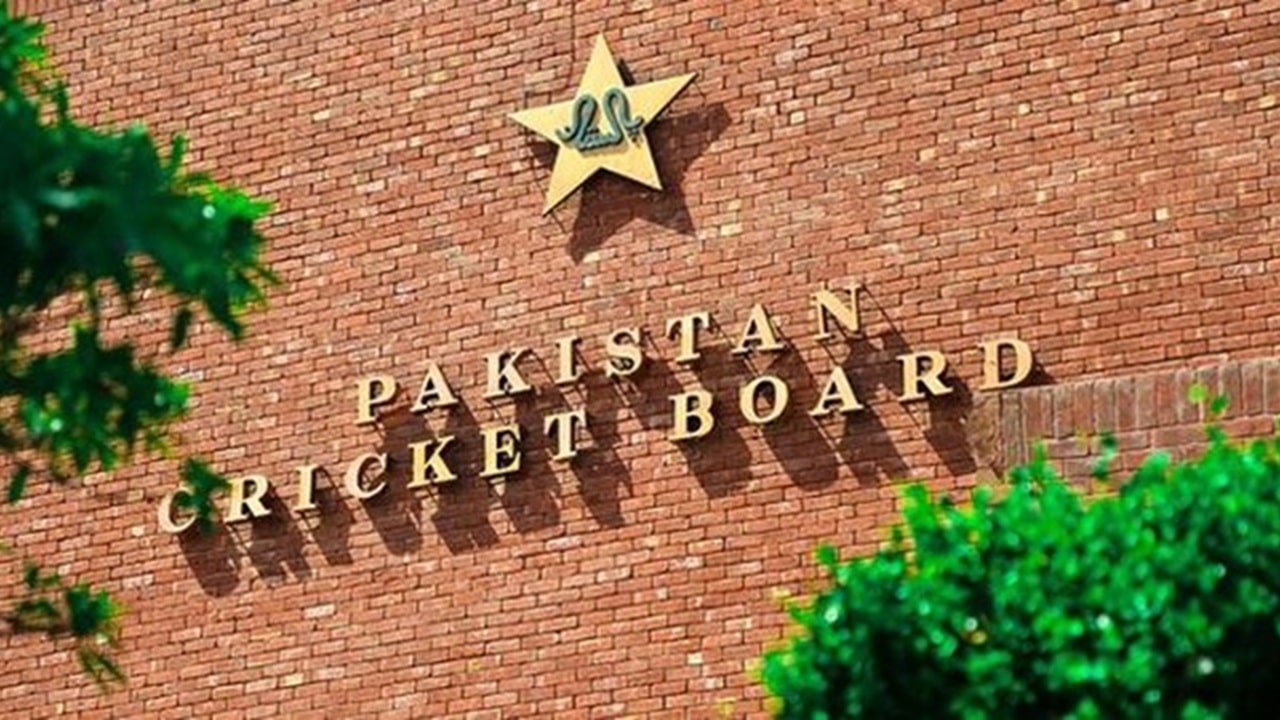
The Pakistan Cricket Board (PCB) is initiating a strategic Pakistan cricket shake-up to address systemic failures after the recent red-ball setback against Bangladesh. Chairman Mohsin Naqvi has convened a high-stakes briefing at Gaddafi Stadium to recalibrate the national team’s trajectory. This meeting includes Test captain Shan Masood, the coaching staff, and High-Performance Director Aaqib Javed. Consequently, the board aims to identify the structural precision required to reverse a trend of diminishing returns on the field.
Strategic Leadership Realignment: Analyzing the Captaincy Catalyst
Data-driven assessments suggest that Shan Masood may soon relinquish his leadership role. Reports indicate that T20I skipper Salman Ali Agha is the primary candidate to succeed him. Masood’s tenure currently reflects a concerning statistical baseline, with 12 losses in 16 Test matches. While Salman Ali Agha maintains a respectable winning percentage in shorter formats, analysts remain cautious. They argue that the added cognitive load of Test captaincy might disrupt his individual performance as an all-rounder.
- Strategic Candidate: Salman Ali Agha (46 matches, 27 wins).
- Internal Friction: Potential appointment of Mohammad Hafeez as Director of International Cricket.
- Administrative Gap: The PCB has yet to fill the Director of International Cricket role officially.
The Situation Room: Structural Insights
The Translation: Decoding Administrative Friction
In Next Gen terms, the current PCB crisis represents a “systemic bottleneck.” The “whitewash” is not merely an athletic failure; it is a symptom of administrative instability. The absence of permanent directors for domestic and international cricket prevents a unified strategic flow. Instead of a synchronized hierarchy, the board currently operates through temporary consultants and dual-role managers. This lack of structural clarity directly impacts the pipeline of talent and the execution of high-performance protocols.
Socio-Economic Impact: Why a Pakistan Cricket Shake-Up Matters
Cricket serves as a vital economic catalyst in Pakistan, influencing the sports-retail sector and national morale. For the average Pakistani professional or student, the national team’s performance acts as a psychological baseline for collective pride. Frequent defeats reduce the commercial value of the “Pakistan Cricket” brand. Therefore, a successful Pakistan cricket shake-up is essential to maintain investment in local sports infrastructure and grassroots development.
The Forward Path: Momentum Shift or Stabilization?
This development represents a Stabilization Move rather than a complete Momentum Shift. While changing captains offers a temporary psychological reset, the underlying administrative vacancies remain a critical failure point. True progress requires the PCB to prioritize long-term structural integrity over reactionary leadership swaps. Without a calibrated domestic structure, the national team will continue to struggle against optimized international competitors.