
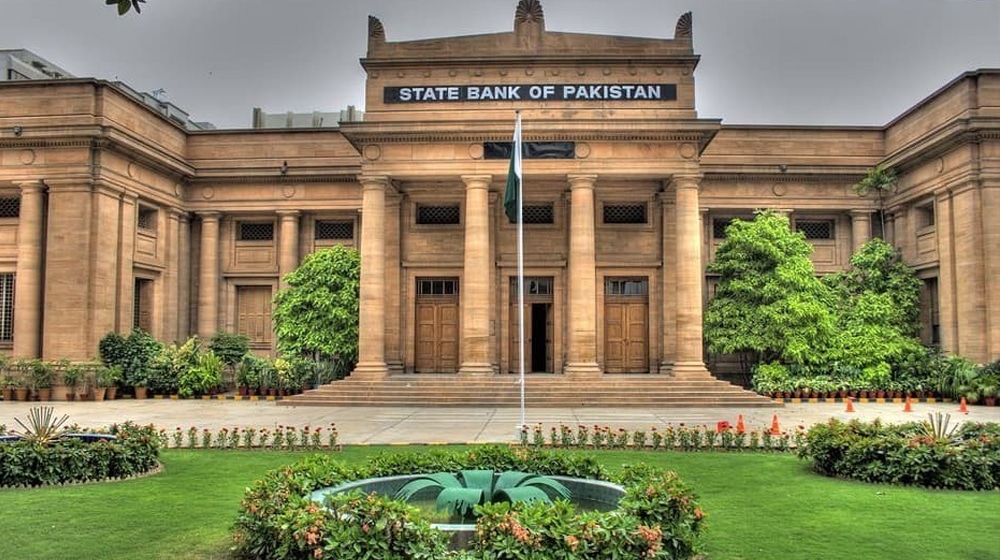
The State Bank of Pakistan (SBP) will convene its fourth Monetary Policy Committee (MPC) meeting of 2026 on June 15. As the nation approaches this critical fiscal junction, market analysts remain divided on the next movement of the SBP Policy Rate. While previous cycles saw aggressive tightening due to geopolitical friction, current data suggests a delicate balance between stabilizing inflation and managing global energy volatility. Consequently, this meeting represents a decisive moment for Pakistan’s fiscal baseline.
Macroeconomic Variables Influencing the SBP Policy Rate
In the previous MPC session held in April 2026, the central bank calibrated the economy by raising the policy rate by 100 basis points. This move responded to heightened geopolitical tensions between the US and Iran. Currently, the market sentiment is perfectly balanced. A recent Topline Securities survey indicates that 49% of participants expect a “status quo,” while another 49% anticipate a further hike. This equilibrium reflects a period of wait-and-see as international markets find a new equilibrium.
Global Energy Catalysts and Market Sentiment
Volatility in global oil prices remains the primary driver of this uncertainty. Brent crude previously peaked at $118 per barrel in late April but has since corrected to approximately $93. Furthermore, active diplomatic mediation has successfully kept prices below the $100 threshold for two consecutive weeks. This reduction in external cost-push inflation provides the MPC with much-needed breathing room to consider a pause in tightening.
However, secondary market indicators signal a potential tightening bias. Yields on 6-month T-bills and KIBOR have surged by approximately 92 and 106 basis points, respectively, since the last meeting. These technical metrics suggest that financial institutions are pricing in a strategic adjustment of 50 to 75 basis points to maintain structural parity with market inflation expectations.
The Situation Room: Strategic Analysis
The Translation: Decoding the MPC Logic
The “Policy Rate” is the precision instrument the State Bank uses to control the flow of money. When the bank raises this rate, borrowing becomes more expensive, which theoretically cools down inflation by reducing spending. In the current context, the SBP is weighing the lower cost of imported oil against the rising yields in the local debt market. They are essentially deciding if the economy needs more “braking” to stop prices from rising or if the current level is sufficient to sustain the rupee’s stability.
The Socio-Economic Impact: Precision at the Household Level
For the average Pakistani citizen, these technical shifts dictate the cost of living. A “hold” on the SBP Policy Rate would likely stabilize monthly installments for home or auto loans. Furthermore, the forecast for FY27 suggests inflation may settle between 8% and 9%. For households, this means a transition from “crisis management” to “predictable budgeting.” Additionally, the projected exchange rate of Rs. 283–286 per USD suggests that the cost of imported essential goods will remain relatively stable through December 2026.
The Forward Path: Momentum Shift or Stabilization?
We categorize this upcoming MPC decision as a Stabilization Move. While the secondary market is pushing for a hike, the cooling of global oil prices offers a catalyst for a pause. The SBP will likely prioritize “Strategic Patience” to ensure that the progress made in stabilizing the PKR is not undermined by premature easing or unnecessary tightening. This is a moment for precision, not drastic pivots.
Projected Economic Metrics (FY27)
- Inflation Target: 8.0% – 8.5% average.
- Currency Baseline: Rs. 283 – 286 per USD by year-end.
- Interest Rate Ceiling: 53% of analysts expect rates to remain above 11.5%.








