The Belgium Golden Generation enters the 2026 World Cup facing a definitive structural reality: it is victory or total obsolescence. For over a decade, this collective has functioned as a high-output footballing engine, yet it lacks the terminal trophy to validate its system efficiency. Consequently, the safety nets of “future potential” have dissolved. The baseline expectation has shifted from participation to absolute precision.
The Structural Limits of the Belgium Golden Generation
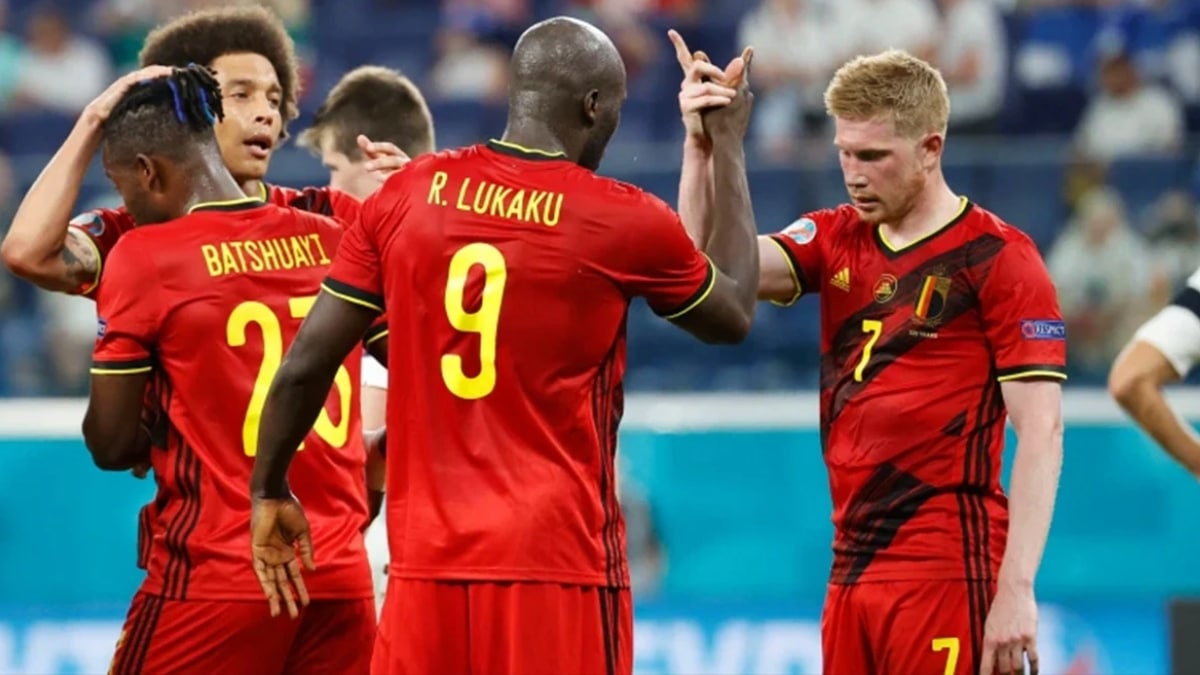
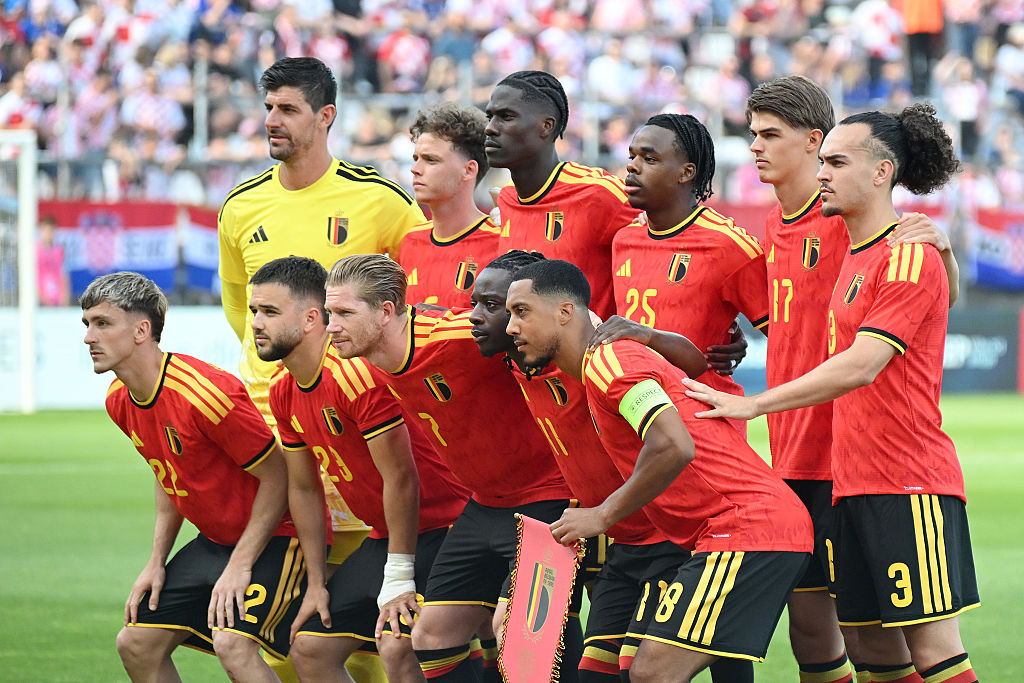
The current squad operates as a hybrid system. Only three icons from the original blueprint remain: Kevin De Bruyne, Romelu Lukaku, and Thibaut Courtois. These veterans provide the necessary muscle memory and psychological baseline for the team. Courtois remains a defensive catalyst, maintaining his position as an elite shot-stopper. Meanwhile, Lukaku continues to serve as the primary offensive focal point, chasing a calibrated target of 90 international goals.

De Bruyne, the system’s primary architect, no longer covers the same physical distance. However, his vision remains a strategic asset. These players are not merely seeking individual accolades; they are fighting to ensure the Belgium Golden Generation is not remembered as a historical “what if.”
Integration of the New Wave
A necessary transition is currently underway. Jérémy Doku, Charles De Ketelaere, and Loïs Openda have successfully integrated into the primary rotation. Doku, in particular, acts as a high-velocity disruptor on the wing. His ability to destabilize established defensive structures provides Belgium with a new tactical dimension. While these younger assets are spectacular, they have not yet fully seized the leadership core. They currently serve as an elite supporting cast, protecting the veterans during high-pressure knockout scenarios.
Tactical Breakdown & Probable Starting XI
Manager Rudi Garcia has implemented a pragmatic 4-2-3-1 system. This configuration prioritizes offensive volatility while shielding a developing defensive line. By utilizing a mid-range block, the team mitigates the risks associated with transitions. This strategic pivot ensures that the Belgium Golden Generation remains competitive against elite global frontlines.
| Position | Player | Club |
|---|---|---|
| GK | Thibaut Courtois | Real Madrid |
| RB | Timothy Castagne | Fulham |
| CB | Zeno Debast | Sporting CP |
| CB | Arthur Theate | Eintracht Frankfurt |
| LB | Maxim De Cuyper | Brighton & Hove Albion |
| DM | Amadou Onana | Aston Villa |
| CM | Youri Tielemans | Aston Villa |
| AM | Kevin De Bruyne | SSC Napoli |
| RW | C. De Ketelaere | Atalanta |
| LW | Jérémy Doku | Manchester City |
| ST | Romelu Lukaku | SSC Napoli |
- Defensive Shield: Onana and Tielemans provide the physical steel required to stabilize the midfield.
- Attacking Outlets: De Cuyper’s high-positioned runs allow Doku to isolate defenders effectively.
- Creative Hub: De Bruyne dictates the tempo from the central “number 10” pocket.
The Translation
In analytical terms, the shift from “Tedesco ball” to Rudi Garcia’s regime represents a transition from defensive saturation to offensive volatility. While the previous era focused on hiding frailties through rigid structure, the current model leverages the explosive speed of the youth. The Belgium Golden Generation is no longer attempting to suffocate opponents with possession. Instead, they are engineered to strike on the break with surgical precision.
The Socio-Economic Impact
The evolution of Belgian football offers a critical case study for Pakistani sports infrastructure. It demonstrates that talent alone is insufficient without a continuous “Next Gen” pipeline. For the Pakistani student or professional, this highlights the necessity of structural longevity. A nation must invest in high-performance models that allow veterans to mentor emerging specialists. This ensures that a single “Golden Age” becomes a sustainable standard rather than a one-time anomaly.
The Forward Path
This development represents a Stabilization Move for the immediate tournament, but a Momentum Shift for the long-term future. The 2026 campaign is the final dance for the icons, yet the foundation laid by Jérémy Doku suggests a new cycle of excellence is beginning. Pakistan can learn from this disciplined transition: identify your catalysts, protect your veterans, and empower your youth to lead the next era.
Author: Shahrukh Khan