
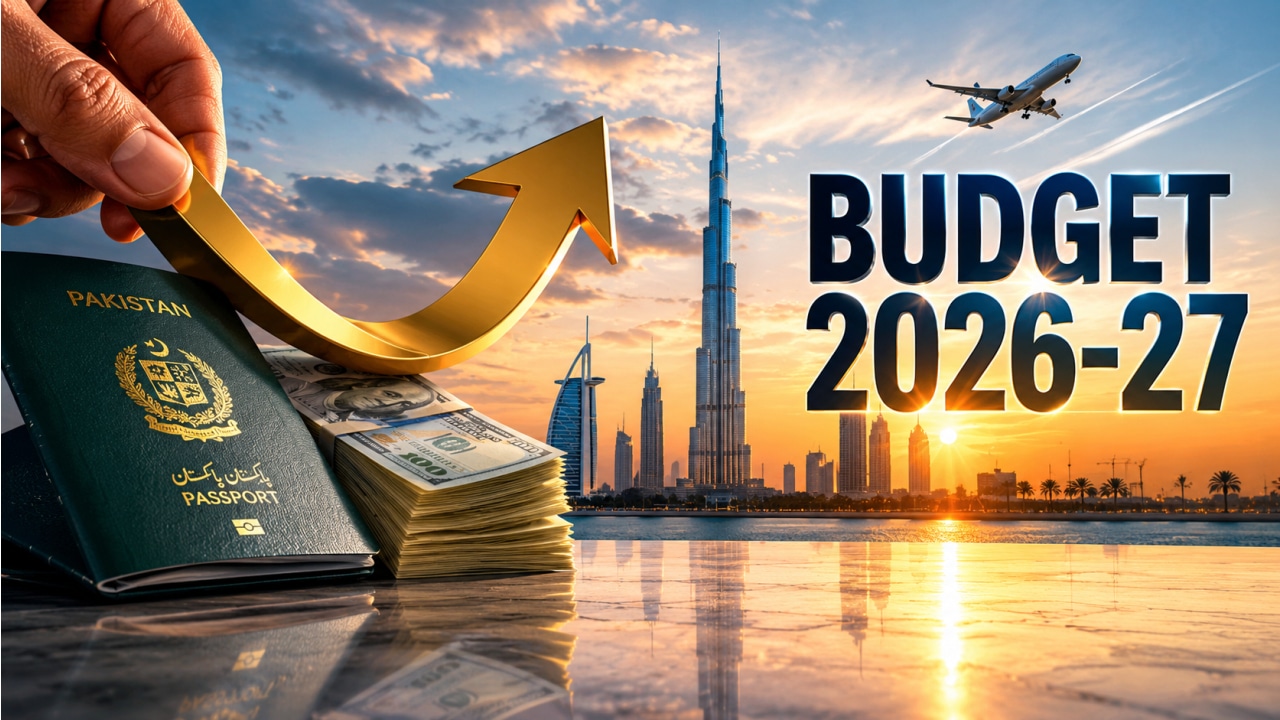
Strengthening the structural integrity of Pakistan’s financial inflow requires a calibrated recalibration of existing regulatory barriers. Consequently, the government is currently evaluating a strategic increase in the remittance ceiling to facilitate a more efficient overseas asset transfer for citizens abroad. This initiative serves as a catalyst for repatriating liquid wealth as global market volatility prompts a shift in investment sentiment.
The Translation: Contextualizing the Remittance Shift
In technical terms, the current regulatory framework imposes a “friction cost” on the movement of capital. Currently, any remittance exceeding Rs. 5 million faces rigorous scrutiny if the transaction occurs between non-blood relatives. While these measures were originally designed for financial oversight, they have inadvertently become a structural bottleneck. The government now aims to widen this corridor, allowing for larger volumes of capital to flow into the national baseline without unnecessary bureaucratic resistance.
Identifying the Current Regulatory Hurdle
- Current Threshold: Restrictions apply to transfers above Rs. 5 million.
- Historical Context: The limit was previously halved from Rs. 10 million, stifling asset repatriation.
- Market Pressure: Investors in the Gulf and Western markets are seeking safer havens for their liquid assets.
The Socio-Economic Impact: What This Means for Pakistanis
How does this policy shift impact the daily life of a Pakistani citizen? For the professional living in Dubai or the business owner in the United States, this represents a significant increase in financial agency. Consequently, families can move significant life savings back to Pakistan to invest in local industries or real estate. Furthermore, this influx of foreign exchange provides the State Bank with the necessary liquidity to stabilize the PKR, indirectly lowering the inflationary pressure on every household.
Global Sentiment and Market Fluctuations
The urgency for an optimized overseas asset transfer mechanism is driven by shifting dynamics in traditional hubs like Dubai. While trade with Abu Dhabi and Dubai remains robust—imports rose to $1.193 billion and $5.592 billion respectively—the investment climate is changing. Investors are increasingly wary of asset security in volatile regions. In contrast, Pakistan’s emerging stability offers a strategic alternative for those looking to liquidate overseas holdings and return to their home economy.
The Forward Path: A Momentum Shift
This development represents a definitive Momentum Shift for the Pakistani economy. By removing the remittance cap, the state is not merely “managing” a situation; it is actively incentivizing the return of intellectual and financial capital. To ensure long-term precision, the government must pair these ease-of-transfer rules with robust digital banking infrastructure. Ultimately, this move transforms a regulatory hurdle into a strategic bridge for national advancement.








