
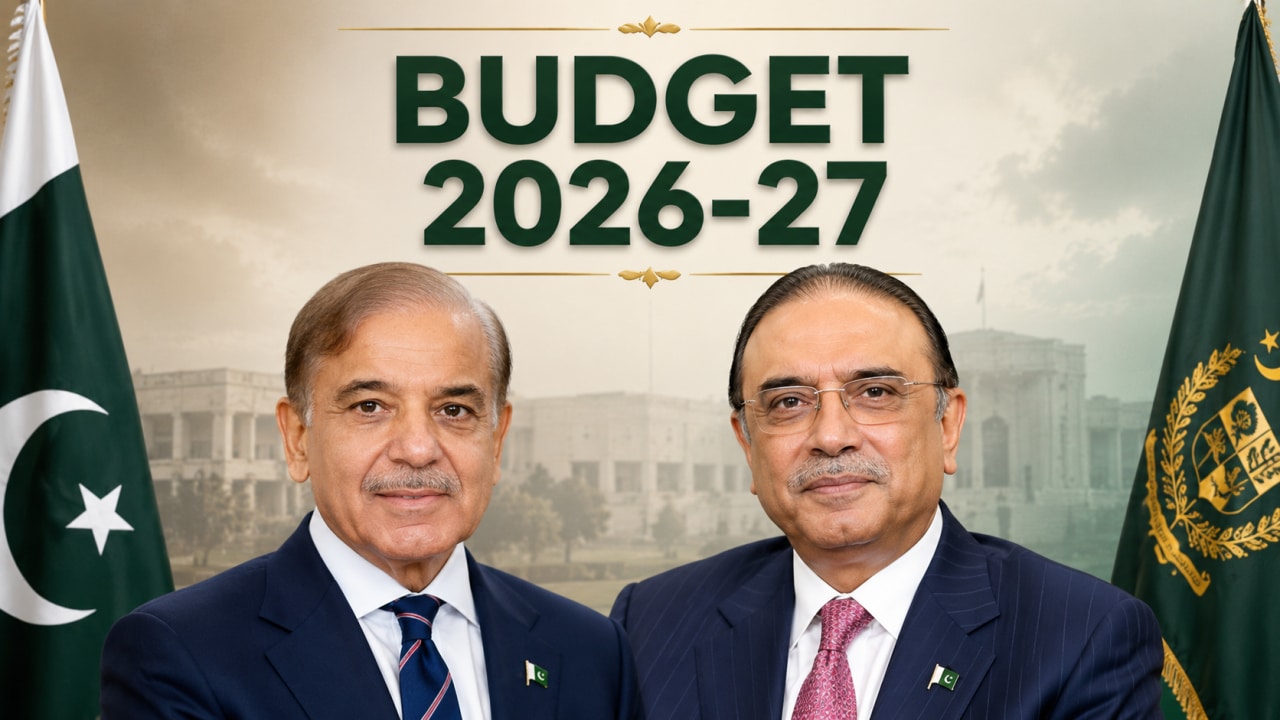
National fiscal stability requires a calibrated alignment between political stakeholders to ensure the Federal Budget 2026 serves as a catalyst for sustainable growth. Consequently, Prime Minister Shehbaz Sharif and President Asif Ali Zardari are convening at Aiwan-e-Sadr today for high-stakes deliberations. This strategic meeting focuses on resolving internal coalition friction before the structural roadmap for the next fiscal year becomes law.
Calibrating the Federal Budget 2026 Framework
The Prime Minister leads a high-level delegation, including Deputy Prime Minister Ishaq Dar and senior officials from the Ministry of Finance. Meanwhile, the Pakistan Peoples Party (PPP) brings significant political weight to the table. Chairman Bilawal Bhutto Zardari, Sindh Chief Minister Murad Ali Shah, Naveed Qamar, and Senator Sherry Rehman represent the party’s interests. This assembly aims to bridge differences regarding fiscal proposals and spending priorities before the formal presentation.
Specifically, the discussions target several core economic pillars:
- Salary and Pension Adjustments: Aligning public sector compensation with current inflation metrics.
- Minimum Wage Standards: Establishing a baseline that ensures household security.
- Taxation Structural Reforms: Calibrating tax brackets to balance revenue generation with industrial growth.
- Developmental Spending: Prioritizing infrastructure projects that offer the highest socio-economic ROI.
The Translation: Technical Clarity
In technical terms, “fiscal proposals” refer to the government’s calibrated blueprint for resource allocation and revenue collection. While the jargon often obscures the intent, this meeting is essentially a precision-tuning exercise. The coalition partners are negotiating the Federal Budget 2026 to ensure that the final document reflects a unified vision rather than a fragmented compromise.
The Socio-Economic Impact
For the average Pakistani citizen, these consultations represent a direct influence on daily survival. The outcome dictates whether the cost of living remains manageable or becomes a structural burden. Specifically, the focus on minimum wage and pension increases directly impacts the purchasing power of urban and rural households alike. A successful consensus ensures that the economic roadmap provides a safety net for the most vulnerable sectors of society.
The Forward Path: Architect’s Opinion
This development represents a Momentum Shift. Rather than a mere stabilization move, the proactive engagement between the PML-N and PPP suggests a strategic intent to finalize a robust economic framework. By addressing grievances before the budget hits the floor, the government demonstrates a commitment to legislative efficiency. Consequently, this alignment is a necessary catalyst for achieving long-term economic precision in Pakistan.








