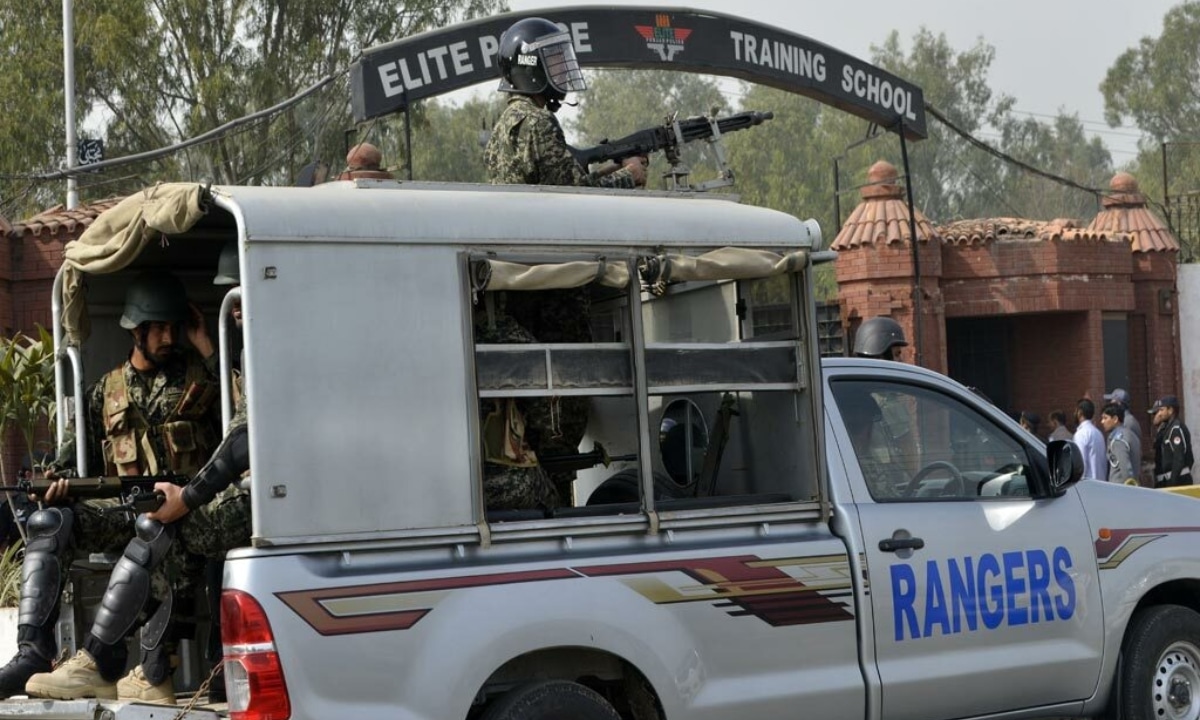
National stability requires a calibrated security architecture to protect civil liberties and religious observances. The Punjab government has officially requested a comprehensive Muharram security deployment to fortify the province against potential disruptions. By integrating the Pakistan Army and Rangers with provincial police, the Home Department seeks to create a foolproof defensive perimeter across every district.
Strategic Integration of Law Enforcement Agencies
The Punjab Home Department initiated this request following a rigorous assessment by the provincial police. Consequently, the deployment of armed forces and paramilitary Rangers will serve as a structural backbone for security during the religious month. This move aims to strengthen coordination among law enforcement agencies and ensure that every procession receives precision monitoring.
- Unified Command: Joint operations between Army, Rangers, and Punjab Police.
- District-Wide Coverage: Deployment across all administrative zones in Punjab.
- Sensitive Locations: Heightened vigilance in high-risk areas, including Lahore.
Tactical Precision and Risk Mitigation
Inspector General of Police Abdul Karim recently reviewed the provincial security plan to ensure operational readiness. He directed all officers to implement strict Muharram security deployment protocols immediately. Furthermore, authorities must finalize all security arrangements for majalis and processions well ahead of the Ashura period. This proactive stance serves as a catalyst for maintaining law and order amidst a complex regional security environment.
The IGP emphasized that extremist elements may attempt to leverage sectarian provocation for instability. Strategically, the Punjab Police remains fully prepared to neutralize these threats. Additional personnel will maintain a visible presence at all critical junctions to deter anti-state activities.
The Translation
This request represents more than a simple increase in personnel; it is a shift toward a ‘Joint Command’ security model. By embedding high-readiness paramilitary units into civil policing, the state creates a redundant safety net. This ensures that logistical gaps in local police resources do not compromise public safety during high-density religious events.
The Socio-Economic Impact
For the average Pakistani citizen, these measures ensure that daily life and economic activities continue without interruption. Secure environments allow local markets to function and families to observe traditions without fear. In urban centers like Lahore, this strategic deployment prevents the paralysis of transport networks and critical infrastructure, protecting the household economy.
The Forward Path
This development represents a Stabilization Move. While the reliance on military assets indicates a persistent baseline threat, the precision of the coordination reflects a significant improvement in operational management. To achieve long-term progress, Punjab must continue investing in high-tech civil policing to eventually reduce the frequency of military intervention in domestic security.