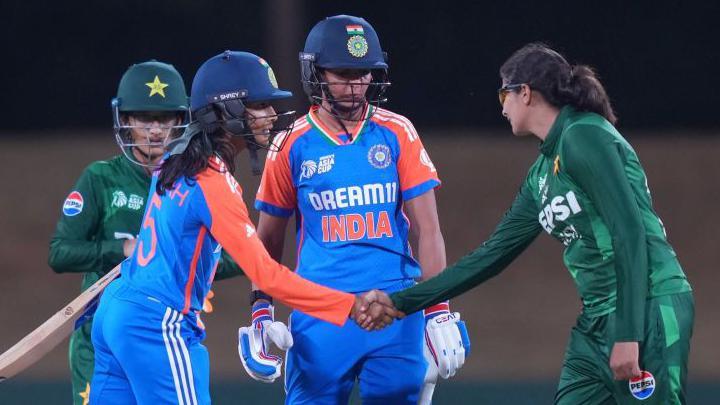
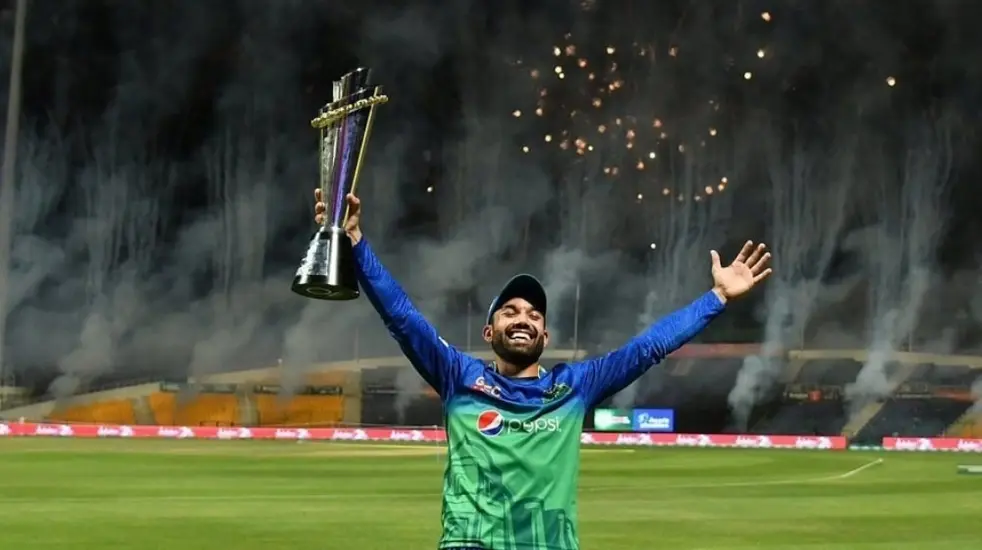
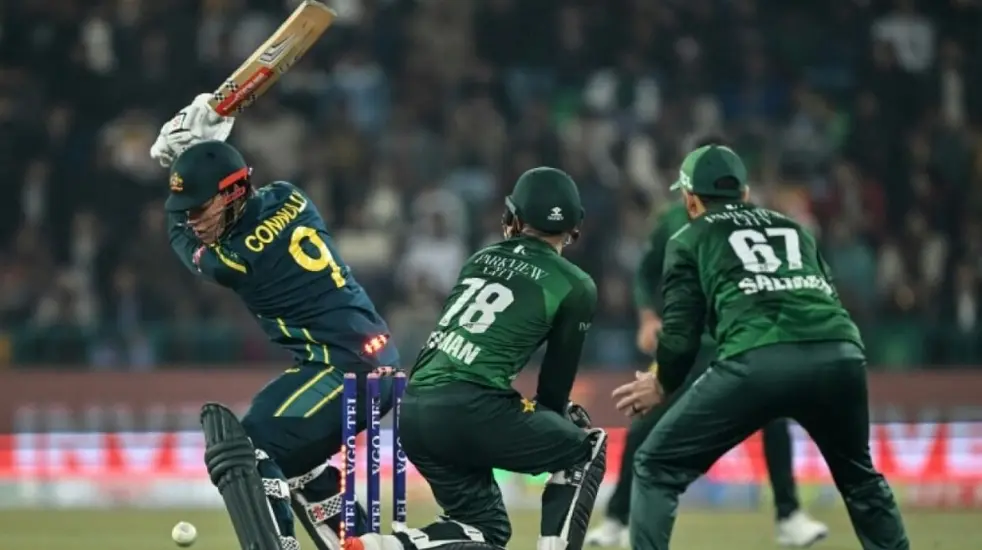
The International Cricket Council (ICC) has officially calibrated a new era for regional sports by confirming Pakistan hosting Women’s T20 World Cup in 2028. This strategic decision marks the first time the nation will host this specific global tournament. Consequently, the move highlights Pakistan’s evolving role in the international cricket ecosystem. While the tournament remains centered in Pakistan, the ICC maintains a hybrid model for matches involving India, which will occur at neutral venues to ensure operational continuity.
Strategic Infrastructure for Pakistan hosting Women’s T20 World Cup
The ICC Board approved this hosting arrangement during a high-level meeting in Ahmedabad. Beyond hosting rights, the governing body cleared a wider set of recommendations covering governance and tournament scheduling. For instance, the ICC approved a trial for pink ball usage in Test matches to mitigate time lost due to poor visibility. Additionally, the innings break for T20 internationals will now extend to 15 minutes to better accommodate tactical transitions and broadcasting needs.
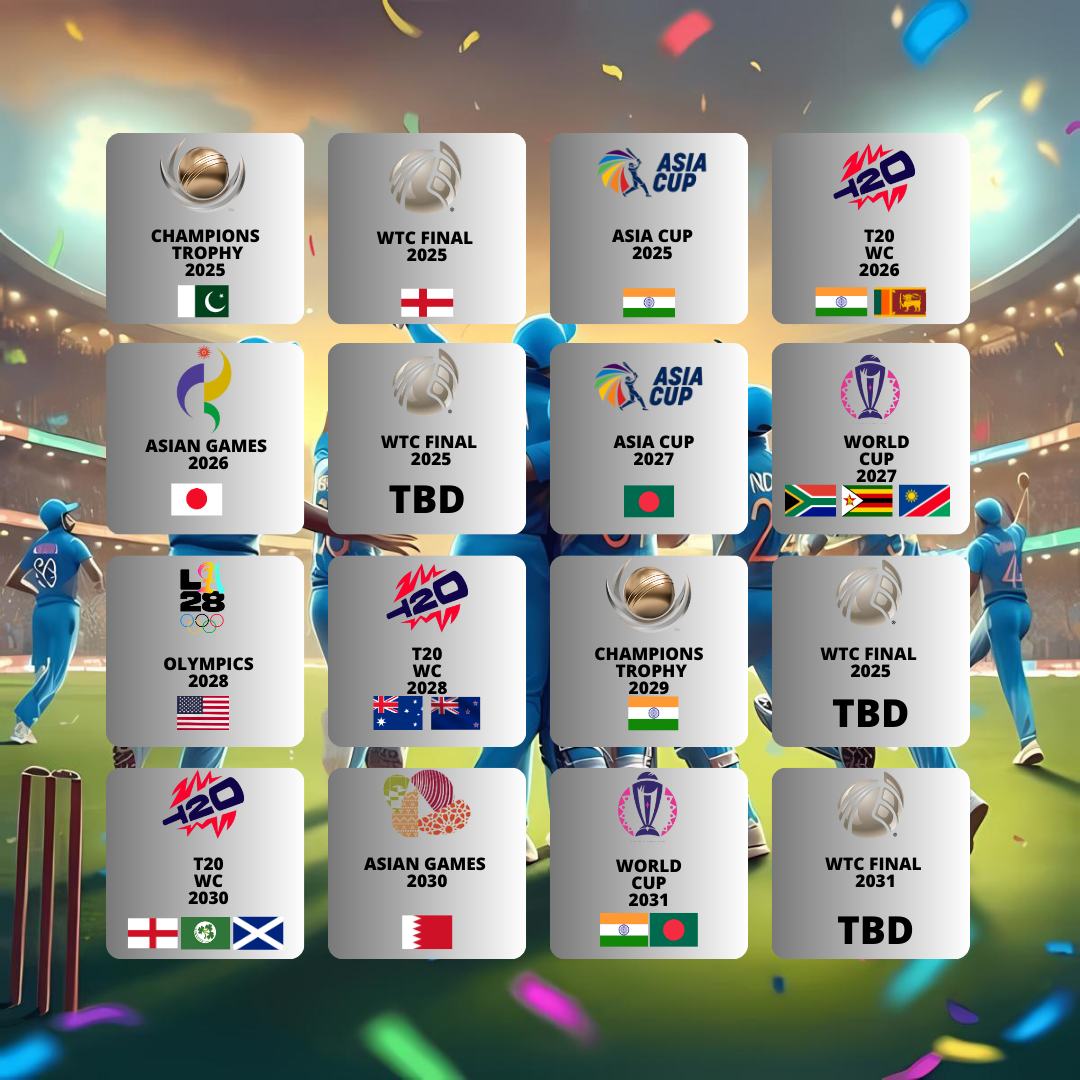
Governance Shifts and Global Calibrations
In a significant move toward structural accountability, the ICC suspended the Canada Cricket Board’s membership due to serious administrative breaches. However, the Canadian national team retains eligibility for ICC events. Furthermore, the board confirmed that delegations will visit Bangladesh and Sri Lanka to review electoral processes and governance standards. These measures reflect a precision-based approach to maintaining the integrity of global cricket operations.
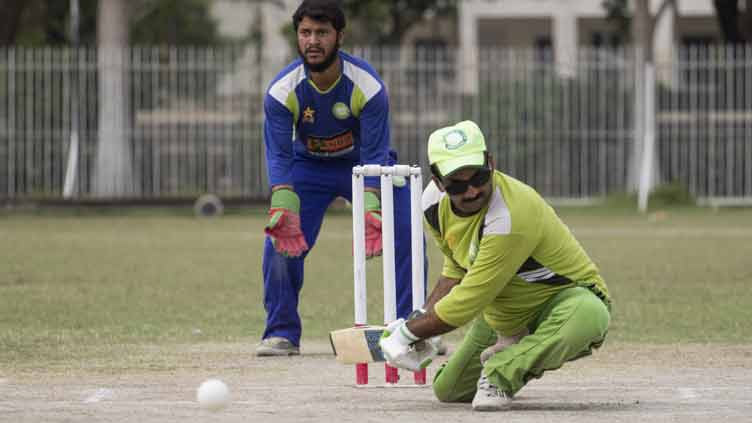
Optimizing the 2028 Women’s T20 World Cup Roadmap
The ICC also announced changes to the 2027 Women’s Champions Trophy, shifting the window to February 14–28. Moreover, the 2026 Emerging Nations Trophy will expand to include 10 teams, creating a broader platform for Associate sides. Specifically, a new 16-team global qualifying tournament for the Men’s T20 World Cup will establish a more inclusive route for developing nations. These calibrated changes aim to balance the rapid rise of franchise leagues with the traditional international calendar.
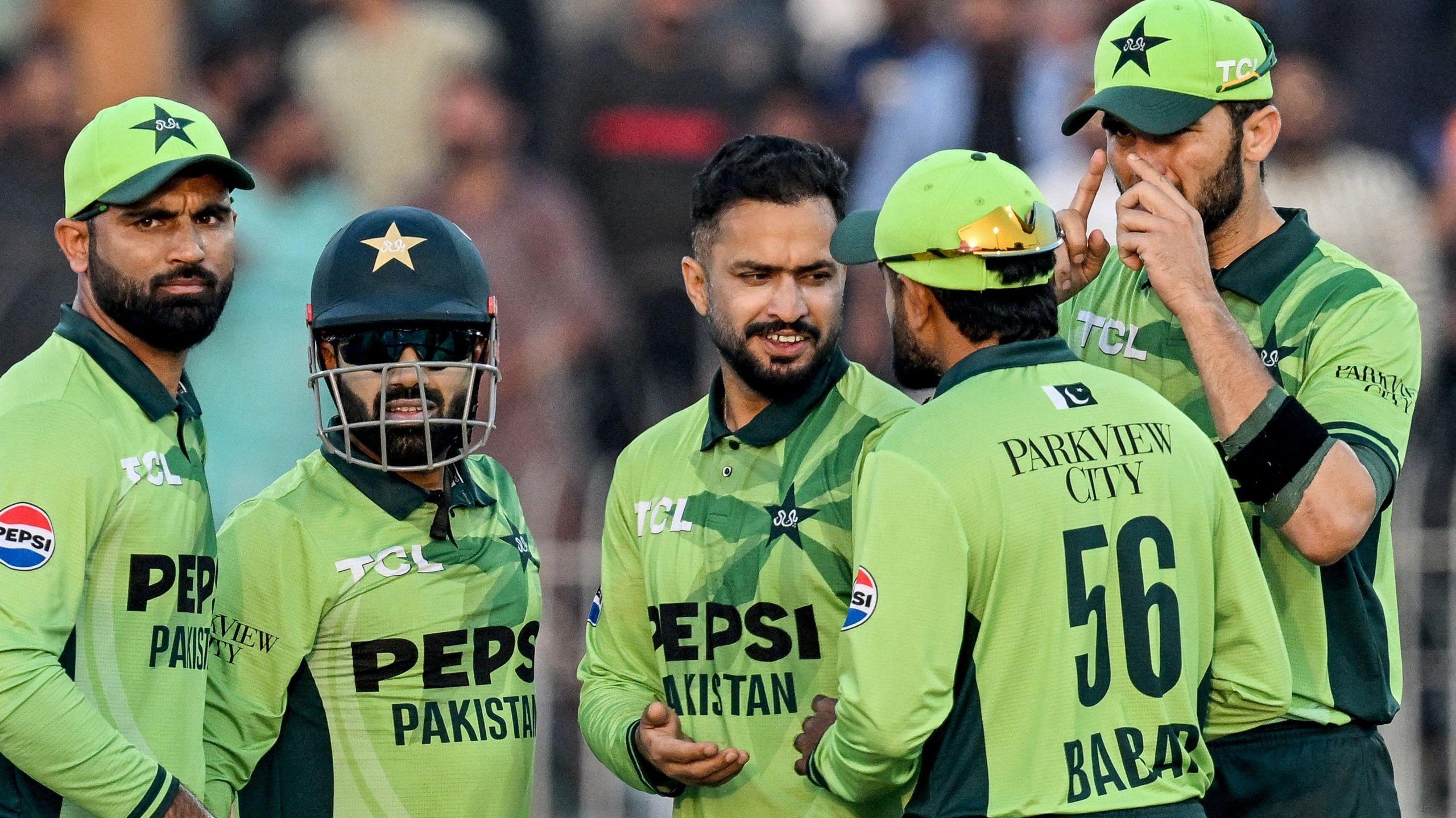
The Translation
This development translates to more than just a series of matches; it is a validation of Pakistan’s sports infrastructure. By implementing a hybrid model, the ICC bypasses geopolitical stalemates to ensure the sport remains the priority. The inclusion of technical updates, like the pink ball trial, indicates a data-driven effort to solve long-standing issues like “bad light” interruptions. Essentially, the ICC is prioritizing system efficiency over tradition.
The Socio-Economic Impact
For the average Pakistani citizen, Pakistan hosting Women’s T20 World Cup serves as a catalyst for local tourism and service industry growth. Urban centers will likely see increased investment in hospitality and transportation infrastructure. Furthermore, this event provides a visible platform for female athletes, potentially inspiring a generation of girls to pursue professional STEM and sports careers. The influx of international visitors will provide a short-term boost to the local baseline economy.
The Forward Path
We categorize this development as a Momentum Shift. While the hybrid model remains a stabilization move for diplomatic reasons, the actual awarding of a World Cup to Pakistan indicates a return to structural normalcy. The establishment of a committee to balance franchise and international cricket is a necessary pivot to prevent the erosion of the national team format. Pakistan must now focus on precision-driven execution to ensure the 2028 tournament sets a new standard for hosting.