

The calibration of energy pricing remains a critical catalyst for structural economic stability within our borders. Consequently, the Oil and Gas Regulatory Authority (OGRA) has implemented a strategic LPG price Pakistan update for June 2026, adjusting the baseline for both domestic and commercial fuel consumption. The official consumer price now stands at Rs. 308.76 per kilogram, representing a precise increase of Rs. 4.95 over previous metrics. This adjustment means an 11.8-kilogram domestic cylinder now costs Rs. 3,643.41, effective immediately from June 1, 2026.
The Translation: Decoding the Pricing Mechanism
To understand the logic behind this LPG price Pakistan shift, one must analyze the integrated components of OGRA’s latest pricing determination. The regulator calculates these rates by incorporating a complex matrix of producer prices, petroleum levies, and marketing margins. Furthermore, the final cost includes distribution charges, transportation overheads, and applicable sales tax. While OGRA sets the maximum allowable price ceiling, the system allows for competitive flexibility; producers and distributors may legally sell below this threshold to optimize market share.
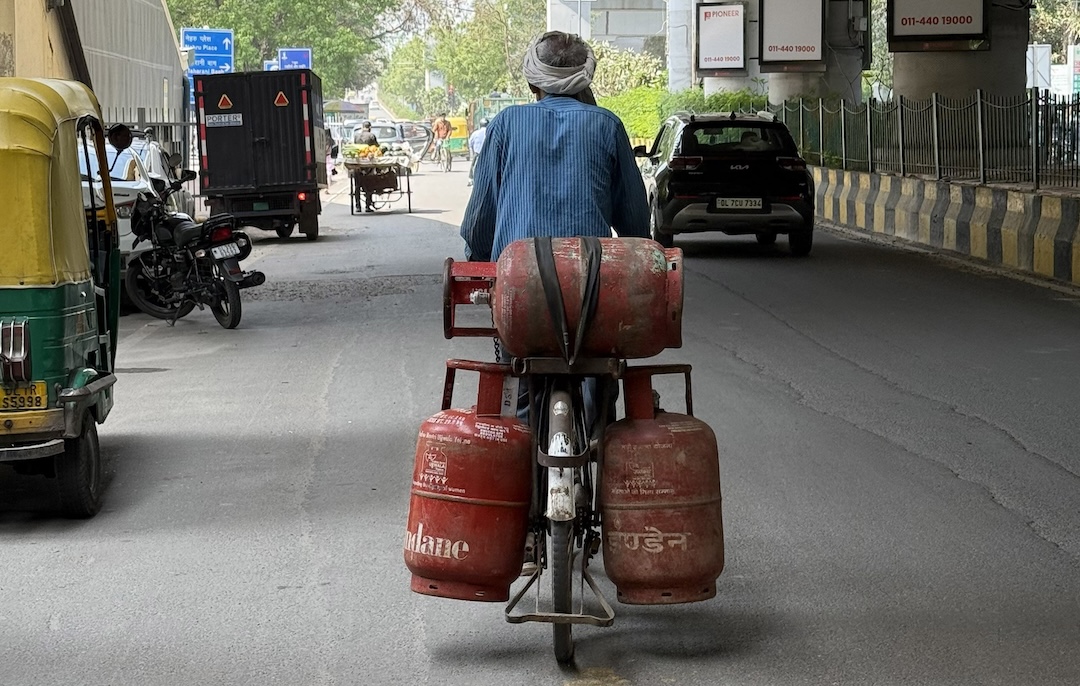
The Socio-Economic Impact: Pressure on the National Pulse
How does this adjustment specifically affect the daily life of a Pakistani citizen? This increase creates a ripple effect across several demographics:
- Households: Families in off-grid or rural areas relying on cylinders will face a direct increase in monthly kitchen expenditures.
- Students and Professionals: Hostels and urban eateries often pass these energy costs down to consumers, raising the price of daily meals.
- System Efficiency: The added cost may drive lower-income groups back toward less efficient biomass fuels, potentially impacting public health and air quality.
The Forward Path: Our Strategic Outlook
In our assessment, this development represents a Stabilization Move rather than a growth-oriented momentum shift. By aligning domestic prices with global energy benchmarks and producer costs, the state aims to mitigate supply chain disruptions. However, for a true technological leap, Pakistan must accelerate its transition toward sustainable energy alternatives to insulate the common citizen from these recurring fiscal shocks. Precision in energy policy is the only way to ensure long-term resilience for the national digital and industrial frontier.








