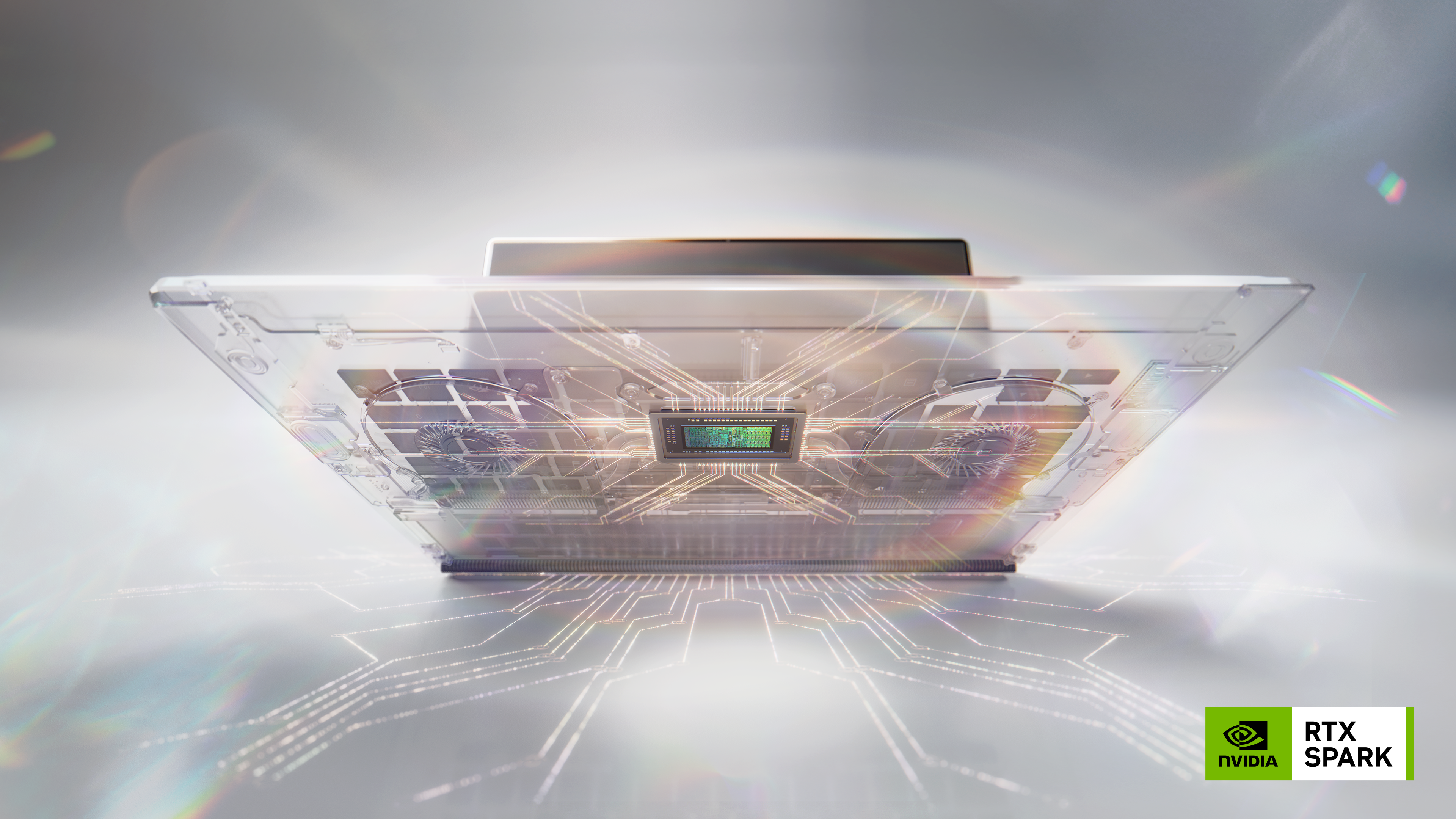
NVIDIA’s entry into integrated consumer chips represents a structural realignment of the global computing ecosystem. On Monday, the tech giant unveiled the RTX Spark chip for consumer Windows laptops and desktops. This strategic pivot signals NVIDIA’s direct intent to compete with established titans like Intel, AMD, Apple, and Qualcomm. CEO Jensen Huang announced the development during a keynote at Computex, emphasizing a collaborative effort with Microsoft to fundamentally reinvent the personal computer.
Strategic Convergence: The RTX Spark Chip Ecosystem
Historically, NVIDIA dominated the GPU market while relying on Intel or AMD for central processing units. The RTX Spark chip eliminates this dependency by utilizing a custom CPU developed in partnership with MediaTek. By leveraging ARM architecture—the same precision technology powering Apple’s M-series—NVIDIA has calibrated this chip for maximum system efficiency and architectural harmony.

NVIDIA engineered the RTX Spark as a scaled version of the processors found in its advanced AI supercomputers. Consequently, these chips can execute complex personal AI agents locally without relying on cloud-based processing. Furthermore, the hardware maintains high-fidelity performance for demanding software like Adobe Photoshop and intensive gaming titles.
Precision Architecture and AI Localization
During the launch, Huang demonstrated the chip’s capabilities through high-performance gaming, including 007 First Light and Forza Horizon 6. These demonstrations verified that the silicon handles heavy graphical loads with ease. Beyond laptops, NVIDIA showcased a compact desktop, comparable in size to a Mac Mini, powered by the same integrated technology.

- Industry Partners: ASUS, Dell, HP, Lenovo, Microsoft, and MSI.
- Memory Capacity: Support for up to 128 GB of RAM, matching premium MacBook Pro specifications.
- Market Release: Systems are scheduled to arrive this fall.
Pricing and Structural Benchmarks
While official pricing remains under wraps, senior officials indicate these PCs will occupy the premium tier of the market. Performance metrics suggest the GPU component aligns with the current mid-range RTX 5070 mobile processor. Mark Aevermann, NVIDIA’s senior director, noted that these laptops would offer superior battery management compared to any previous RTX-based systems. This efficiency catalyst allows for all-day usage, a critical baseline for modern mobile professionals.

The Situation Room Analysis
The Translation
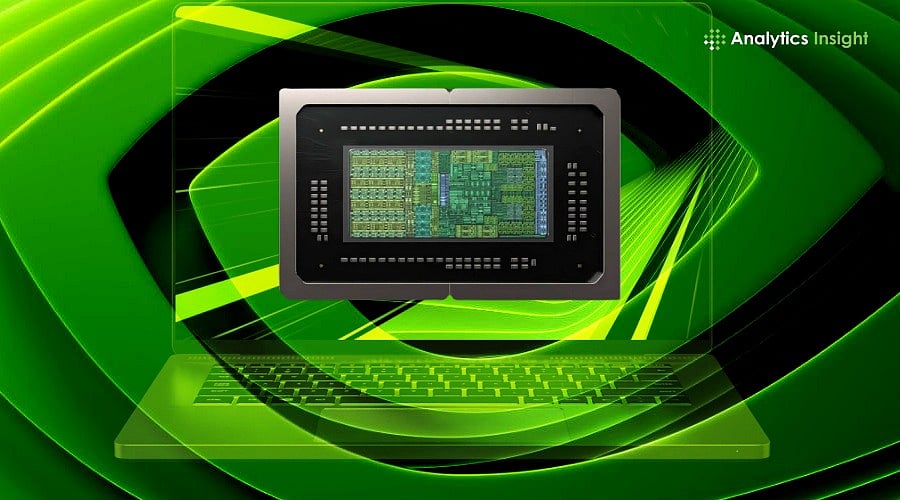
The RTX Spark chip marks the end of the “component era” for NVIDIA. By integrating the CPU and GPU onto a single ARM-based architecture, NVIDIA is adopting the Apple-style “System on a Chip” (SoC) model. This eliminates data bottlenecks between different components, resulting in faster processing and significantly lower power consumption. It is a shift from generic hardware to precision-integrated systems.
The Socio-Economic Impact
For the Pakistani workforce—especially freelancers, software engineers, and digital artists—this development is a catalyst for productivity. Reliable battery life paired with AI-accelerated workflows allows professionals to maintain global competitiveness even in environments with fluctuating power stability. For students, the move toward “local AI agents” means personalized educational tools can run directly on their devices without expensive high-speed internet requirements.
The Forward Path
We classify this as a Momentum Shift. NVIDIA is not just releasing a chip; it is challenging the very foundation of the Windows ecosystem. By forcing Intel and AMD to respond to ARM-based efficiency, NVIDIA is accelerating the transition toward AI-native hardware. This development ensures that the future of personal computing is defined by efficiency and local intelligence rather than just raw clock speeds.