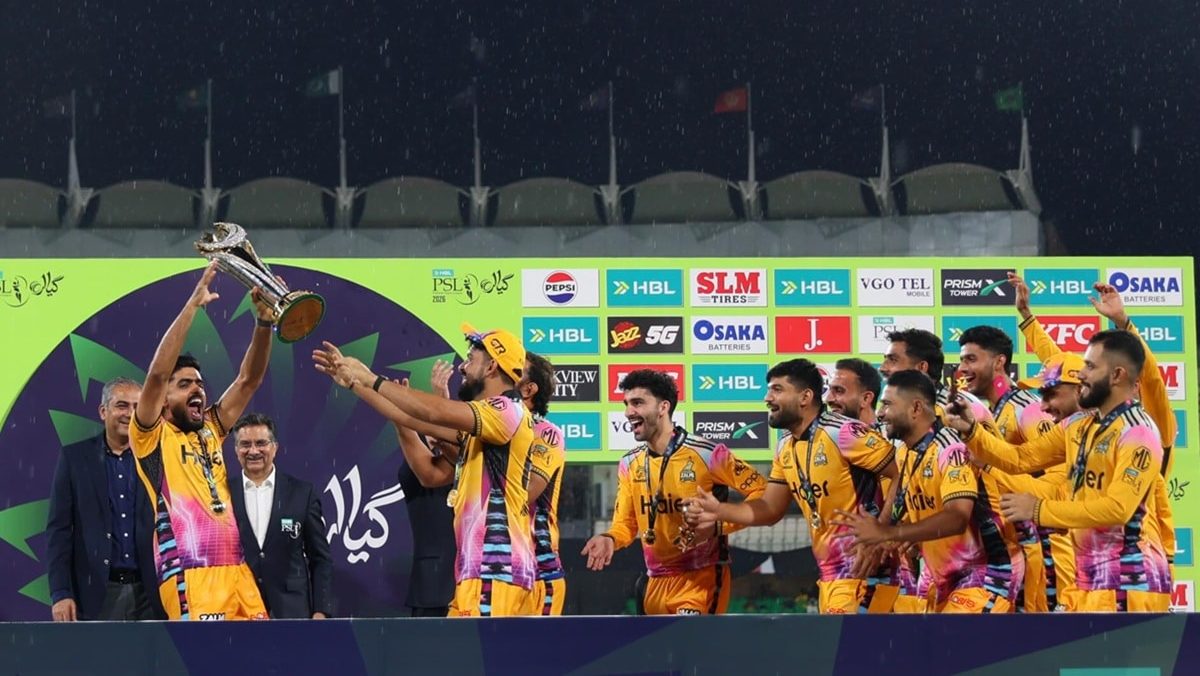
The recent PSL 11 championship represents more than a mere sports victory; it signifies a calibrated alignment between organizational trust and Babar Azam’s leadership. Peshawar Zalmi owner Javed Afridi recently reaffirmed his unwavering support for the star batter, citing Babar’s fighting spirit and consistency as the structural foundation of the franchise’s success. Consequently, this public endorsement highlights how strategic patience within sports management can yield high-stakes results.
Analyzing Babar Azam’s Leadership and Institutional Trust
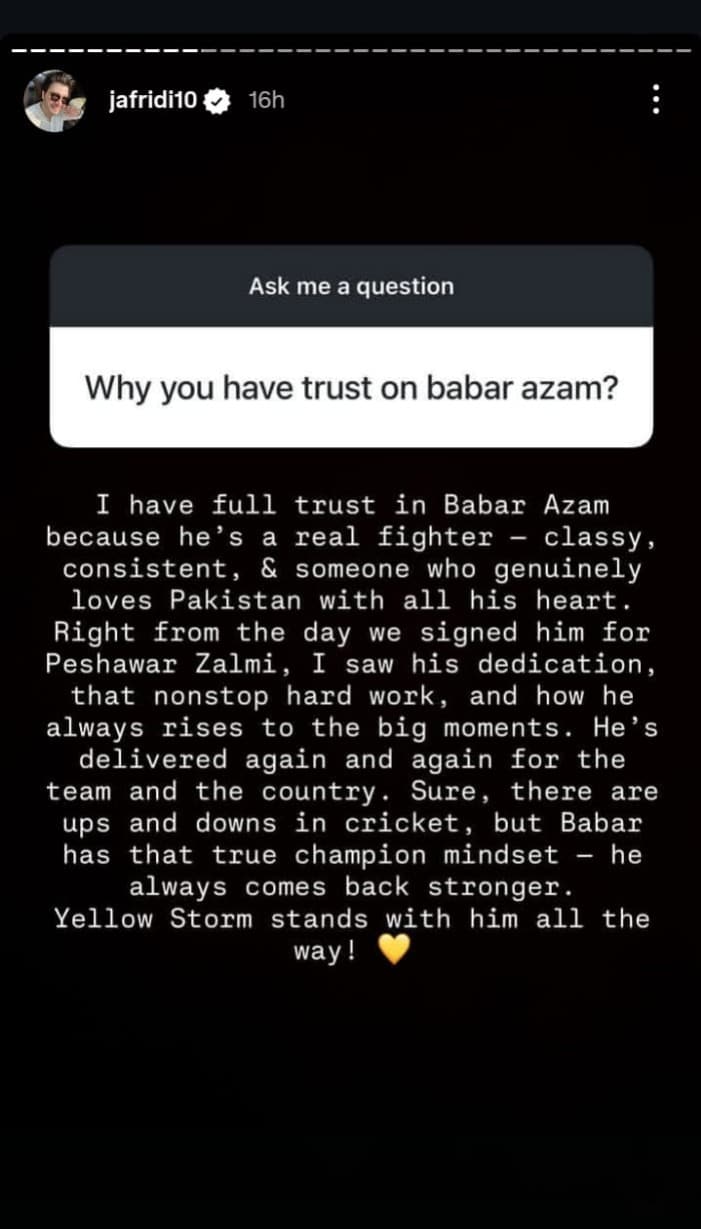
During a recent digital engagement on Instagram, Afridi addressed fan inquiries regarding his continued reliance on the captain. Specifically, Afridi described Babar as a “real fighter” whose dedication to Pakistan remains unparalleled. Furthermore, the Peshawar Zalmi owner emphasized that Babar has repeatedly validated this trust through calibrated performances on the international stage. Effectively, the captain’s ability to rise during critical moments has transformed the franchise into a precision-driven unit.
The success of the PSL 11 campaign serves as a baseline for this analysis. Peshawar Zalmi secured their second trophy by defeating the Hyderabad Kingsmen by five wickets at Gaddafi Stadium. Notably, Babar Azam finished the tournament as the highest run-scorer. His performance in the qualifier against Islamabad United, where he scored a clinical 103 runs, served as the primary catalyst for Zalmi’s advancement to the final. This victory effectively silenced critics of Babar Azam’s leadership, proving his capacity to manage high-pressure environments.
The Situation Room: Strategic Breakdown
The Translation (Clear Context)
In the context of professional sports, “trust” is often a volatile metric. However, Javed Afridi’s support for Babar Azam translates to a long-term investment in “Human Capital.” By prioritizing consistency and mental resilience over short-term fluctuations, Zalmi has built a stable system. Afridi’s remarks decode Babar’s value not just as a run-producer, but as a psychological anchor for a multi-million dollar franchise. This approach mirrors corporate stability where the CEO is shielded from market noise to focus on core delivery.
The Socio-Economic Impact
The success of Babar Azam’s leadership transcends the cricket field, impacting the daily lives of Pakistanis through “National Morale Boosters.” Victories like the PSL 11 title stimulate local economies in cities like Peshawar and Lahore, increasing merchandise sales and digital engagement. For the youth, Babar represents a model of professional discipline. When a national icon demonstrates resilience against criticism, it reinforces a “Champion Mindset” within the workforce and student populations across urban and rural Pakistan.
The Forward Path (Opinion)
This development represents a clear Momentum Shift for Pakistan cricket. For years, the leadership structure faced stabilization challenges. However, the PSL 11 victory proves that Babar has calibrated his tactical approach to T20 captaincy. Moving forward, the “Yellow Storm” must leverage this stability to build a sustainable winning culture. Constructively, the focus should now shift from defending his captaincy to refining the team’s technical baseline for upcoming international cycles.