
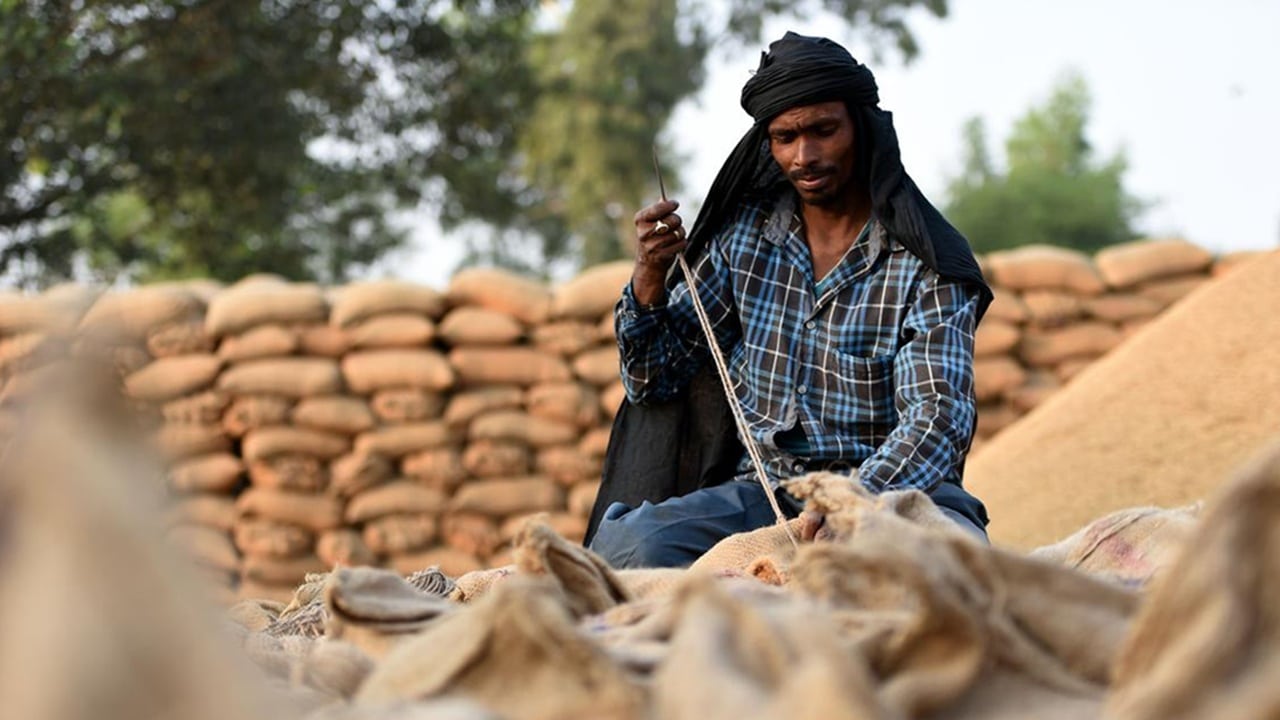
The Government of Punjab has officially enforced the Punjab Labor Code 2026, establishing a calibrated legal framework to modernize worker protections. This unified legislation consolidates fragmented regulations into a singular, high-precision system designed to eliminate structural inefficiencies in the labor market. Consequently, the province now operates under a baseline of equitable employment that aligns with international standards.
Modernizing the Labor Landscape
The new legislation introduces strategic safeguards against forced labor and child exploitation. By centralizing various statutes, the government has created a more accessible and enforceable legal environment. Furthermore, the law expands its reach to previously unregulated sectors to ensure no citizen is left behind.
- Gig Economy Inclusion: App-based platform workers and ride-hailing drivers now hold legal status.
- Digital Integration: Remote and online workers are officially recognized under labor rights.
- Contractual Security: The code limits the ability of employers to deny benefits to contract staff.
- Universal Coverage: Protections now extend to domestic, agricultural, and construction laborers.
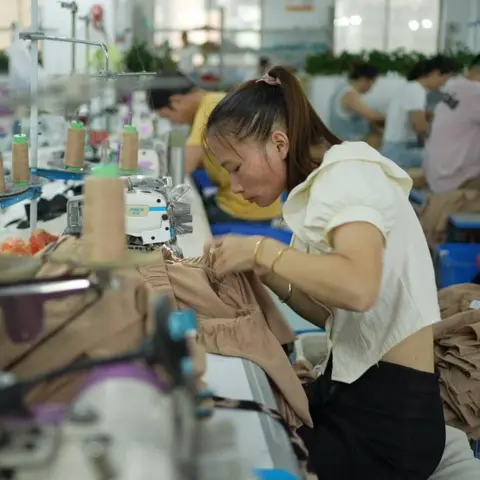
Structural Transparency and Professional Mobility
The Punjab Labor Code dismantles restrictive non-compete clauses that previously stifled professional mobility across the province. In addition, the framework discourages salary confidentiality policies to promote wage transparency. These measures act as a catalyst for a more competitive and meritocratic talent market. Consequently, workers can now negotiate better terms without fear of legal retaliation from former employers.

The government has also reinforced provisions to address workplace harassment and violence. This precision-focused approach ensures that safety is not just a policy but a structural requirement for every registered workplace. By adhering to International Labor Organization (ILO) standards, Punjab is positioning itself as a leader in regional labor reform.
The Situation Room Analysis
The Translation
The Punjab Labor Code 2026 is essentially a “system upgrade” for the provincial economy. It replaces a patchwork of outdated colonial-era and fragmented post-independence laws with a single, streamlined protocol. For the digital generation, the most significant shift is the “legalization” of the gig economy. If you drive for a ride-hailing app or deliver food, the law now recognizes you as a protected employee rather than an independent contractor in a legal grey area.
The Socio-Economic Impact
This development directly improves the baseline security for millions of Pakistani households. By bringing domestic and agricultural workers into the formal sector, the law provides a pathway to social security and standardized working hours. For the urban professional, the ban on non-compete clauses and the push for wage transparency will likely lead to higher income potential and faster career progression. This structural shift effectively reduces the “power gap” between massive corporations and individual contributors.
The Forward Path
This represents a significant Momentum Shift for Pakistan. While enforcement remains the critical variable, the legislative architecture is now precisely aligned with global benchmarks. This is not merely a maintenance move; it is a strategic recalibration of the provincial social contract. If implemented with precision, it will serve as the catalyst for a more stable and productive national workforce.








