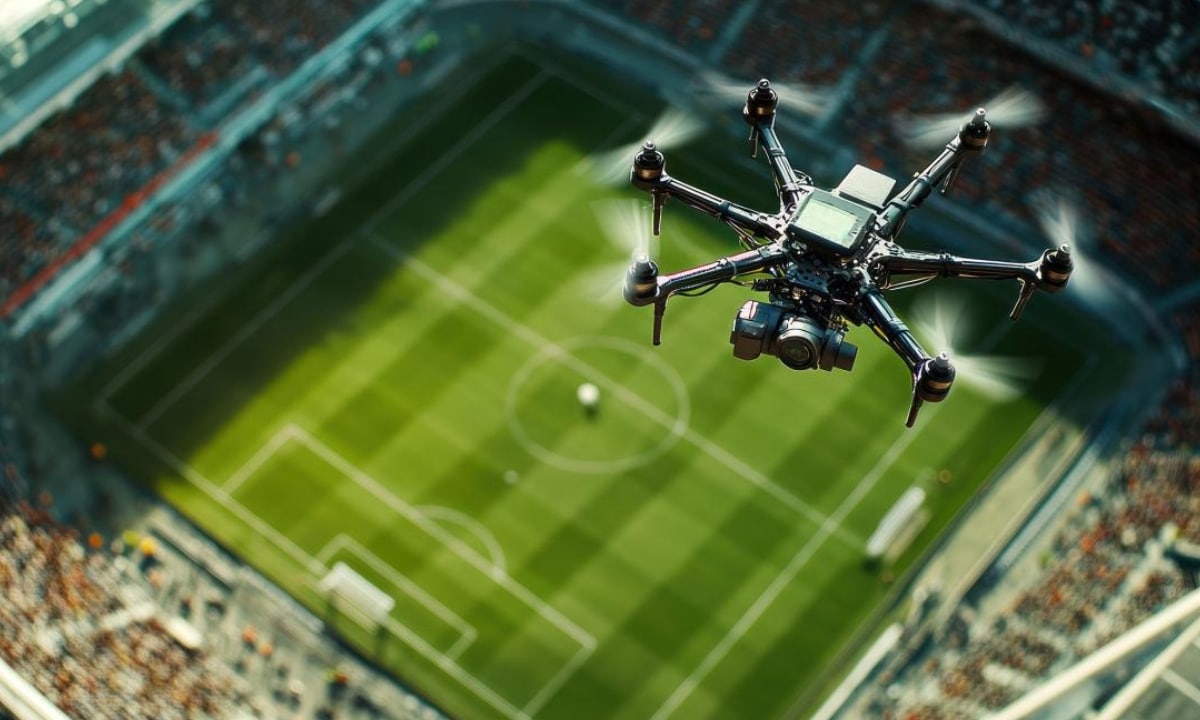
The Federal Aviation Administration (FAA) recently established a comprehensive World Cup drone ban to safeguard the 2026 FIFA World Cup. This precision-engineered security strategy mandates strict airspace restrictions across all match venues and fan gatherings. Consequently, authorities aim to eliminate potential aerial threats while maintaining the structural integrity of the event’s logistics. This proactive baseline ensures that safety remains a non-negotiable priority for one of the world’s most significant sporting milestones.
The Logistics of Airspace Precision
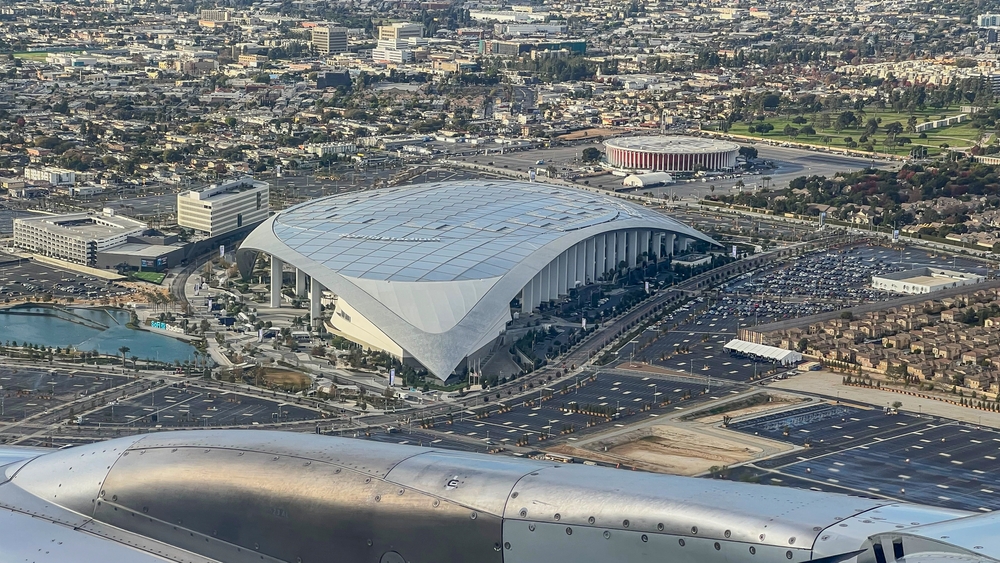
Under these rigorous new protocols, the FAA prohibits all aircraft operations, including recreational and commercial drones, within a three-nautical-mile radius of match stadiums. This restriction extends 3,000 feet above ground level on match days. Furthermore, the agency established separate protection zones around fan events nationwide. These secondary zones prohibit drone activity within a one-nautical-mile radius and up to 1,000 feet in altitude. Only specifically cleared air traffic controllers can authorize exceptions to these rules.

Operators who violate the World Cup drone ban face severe legal and financial repercussions. The FAA confirmed that unauthorized flights could result in fines reaching $100,000. Additionally, offenders may face criminal charges and the permanent confiscation of their hardware. This strict enforcement mechanism serves as a calibrated deterrent against rogue aerial activity during high-traffic intervals.
The Translation: Deciphering the World Cup Drone Ban
In technical terms, the FAA is creating a “digital shield” over the World Cup. By establishing “No-Fly Zones,” the government effectively clears the air of unpredictable variables. This allows security forces to identify any flying object as a potential threat immediately. The use of nautical miles and specific altitude ceilings provides a clear, measurable perimeter for law enforcement. Similarly, the collaboration with the FBI ensures that mitigation teams can neutralize unauthorized drones using electronic countermeasures without disrupting the matches.
The Socio-Economic Impact: Protecting the Fan Experience
For the average citizen and visiting fan, these measures provide a critical layer of psychological and physical security. In urban hubs like New York, the government has already invested $6.5 million in drone-mitigation equipment. Consequently, this investment protects the local tourism economy by preventing incidents that could deter international visitors. By mitigating the risk of weaponized drones, the state ensures that public spaces remain safe for families and professionals alike, preserving the economic vitality of host cities.
The Forward Path: A Shift in Global Security Standards
This development represents a significant Momentum Shift in how nations manage large-scale public safety. We are moving beyond passive monitoring toward active, tech-driven airspace management. The integration of FBI mitigation teams and high-cost federal grants signifies that drone threats are now a primary concern in national security planning. Therefore, this strategic baseline will likely serve as the blueprint for all future global events, including the Olympics and international summits.