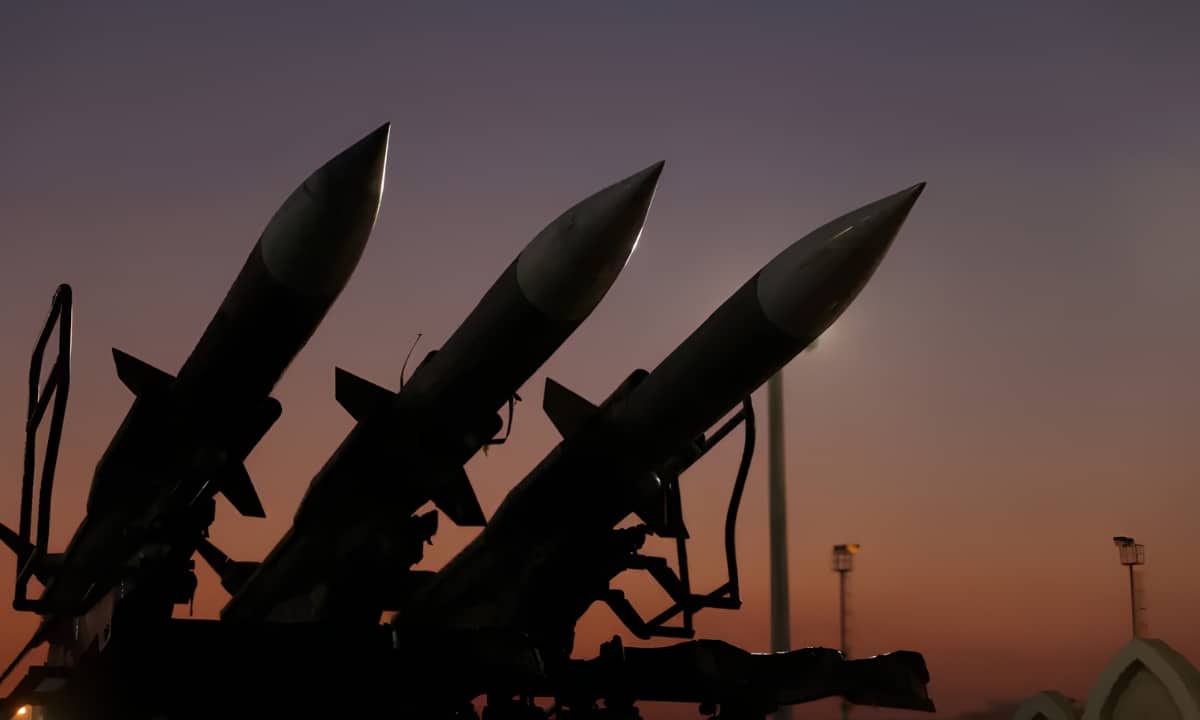
National security architectures are recalibrating as Tehran deploys the newly unveiled Iranian defense system, the Arash-e Kamangir, to intercept high-altitude US MQ-9 Reaper drones near the Strait of Hormuz. Iranian state media reports that the interception occurred near Qeshm Island, marking the inaugural combat deployment of this locally developed platform. This event highlights a strategic pivot toward mobile, stealth-detecting technology designed to challenge surveillance dominance in critical maritime corridors.
The Situation Room Analysis
The Translation: Calibrating the Iranian Defense System
The Arash-e Kamangir represents a tactical departure from traditional, radar-heavy defense networks. While Iran’s fixed radar sites have historically suffered from structural vulnerabilities, this new Iranian defense system utilizes mobile launchers. Security experts suggest these systems likely leverage electro-optical or heat-seeking guidance systems. Consequently, these units are significantly harder to detect via satellite imagery and can be redeployed within minutes. By prioritizing mobility over massive fixed-site power, Tehran has developed a cost-effective countermeasure specifically tuned to target slower, low-observable surveillance assets like the MQ-9 Reaper.
The Socio-Economic Impact: Trade and Fuel Precision
The Strait of Hormuz serves as a primary artery for global energy and trade. Any escalation in this corridor directly influences the daily lives of Pakistani citizens. Increased regional tension leads to higher maritime insurance premiums, which subsequently inflates the cost of imported fuel and essential commodities in Pakistan. For the professional class and industrial sectors, this translates to heightened logistical volatility and potential price hikes at the baseline of the economy. Furthermore, the shift from low-cost drone surveillance to expensive long-range military assets forces a global redistribution of defense spending, affecting international economic stability.
The Forward Path: A Strategic Momentum Shift
We categorize this development as a Momentum Shift. Although these mobile units cannot withstand a full-scale aerial campaign, they effectively complicate the operational calculus for adversaries. By establishing a persistent, low-level threat, Iran forces a strategic pivot toward more expensive, high-risk military interventions. This structural resilience suggests that Iran has successfully adapted its defense capabilities to sustain strategic leverage despite previous damage to its larger radar infrastructure. This move indicates a future where asymmetric precision defines the maritime frontier.