The Rare Blue Moon arriving on May 31, 2026, serves as a critical catalyst for understanding the rigid mathematical rhythms of our solar system. While many anticipate a chromatic shift, this phenomenon represents a structural alignment within our calendar system rather than a change in lunar pigmentation. Consequently, this event offers a precision baseline for observers to witness the intersection of the Gregorian calendar and the 29.5-day lunar cycle.
The Structural Mechanics of a Rare Blue Moon
A Blue Moon occurs when the calendar month accommodates two full lunar cycles. Specifically, May 2026 features a full moon on May 1, followed by the second full moon at 04:45 ET on May 31. Because the lunar orbit is roughly 29.5 days, a month spanning 31 days occasionally allows for this dual illumination. In contrast to seasonal Blue Moons—which denote the third moon in a four-moon season—this calendar event happens approximately every 30 months.

Precision in the Orbit: The Micromoon Metric
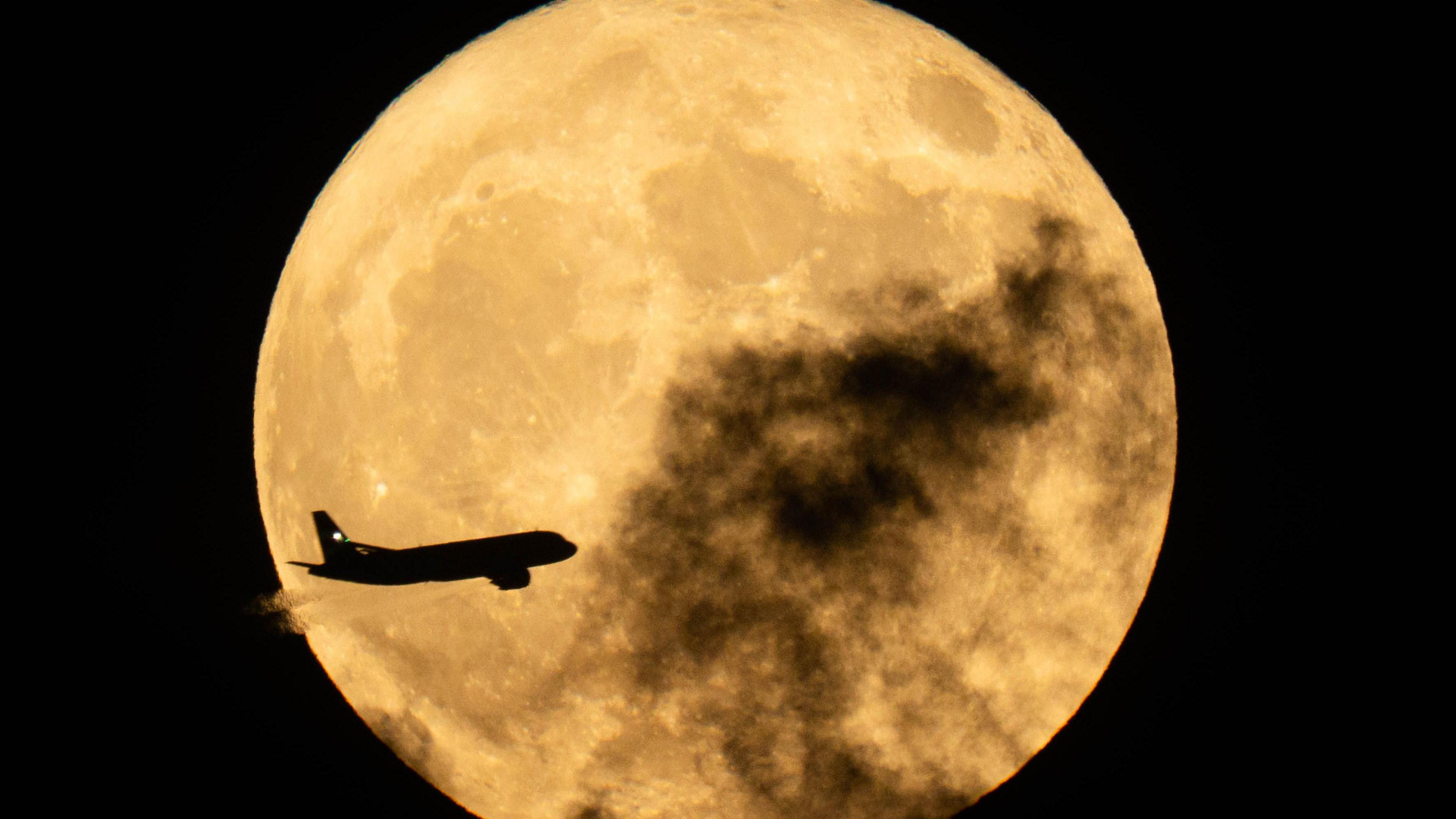
The May 31 event is strategically significant because it coincides with a micromoon. This happens when the Moon reaches its apogee, the farthest point in its elliptical orbit around Earth. Astronomers have calibrated this distance at approximately 406,134 kilometers. Consequently, the Moon will appear slightly smaller than the baseline average. While the naked eye may perceive minimal change, the data confirms this as the most distant full moon of the 2026 cycle.
Calibrating Your Observation Window
Peak illumination will occur at 08:45 UTC on May 31. For observers in diverse time zones, the structural peak translates to 04:45 a.m. ET and 09:45 a.m. in the UK. Therefore, the optimal time for visual capture remains the night of May 30 or the early morning hours of May 31. Successful observation requires clear atmospheric conditions, although the lunar presence will remain visible despite minor urban light pollution.
The Situation Room Analysis
The Translation
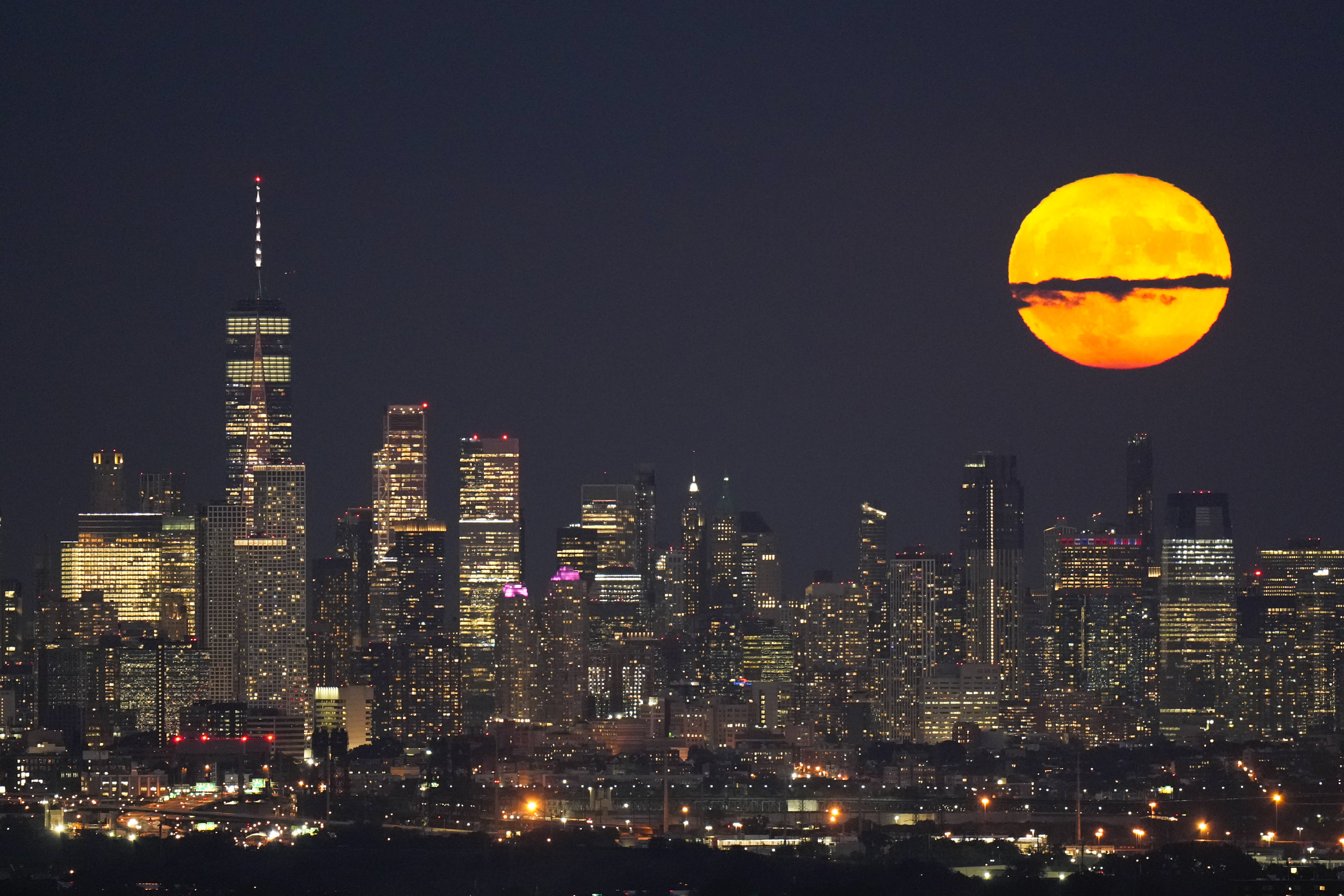
The term “Blue Moon” is a mathematical designation, not a visual description. It identifies a timing surplus where the lunar phase resets within the same calendar month. This specific occurrence is a “Calendar Blue Moon,” distinguishing it from “Seasonal Blue Moons” that rely on equinox and solstice cycles. Precision in terminology ensures we view the sky through the lens of logic rather than folklore.
The Socio-Economic Impact
Celestial events act as a catalyst for STEM engagement among Pakistani youth. For students in urban centers like Karachi or Lahore, tracking these cycles encourages a baseline proficiency in physics and orbital mechanics. Furthermore, these events drive interest in domestic astronomy initiatives, potentially boosting the demand for scientific educational infrastructure and careers in aerospace engineering.
The Forward Path (Opinion)
This event represents a Momentum Shift. By moving beyond the aesthetic novelty of the moon and focusing on the underlying data—such as apogee distances and orbital timing—we cultivate a society that values scientific precision. Leveraging these rare alignments to promote data-driven curiosity is essential for the national advancement of our digital and scientific frontier.