Pakistan Railways is calibrating its infrastructure for a structural leap by deploying a 1,700km fiber-optic backbone to power the nation’s first comprehensive Digital Freight System. This precision-driven initiative, known as the Railway Advance Infrastructure Network (RAIN), represents the department’s first major revenue-focused digitization project in its 78-year history. Consequently, the project will modernize railway operations, freight management, and passenger services across the country.
Architectural Foundation: The 1,700km Fiber-Optic Backbone
The RAIN initiative establishes a digital ecosystem through a strategic 1,700km fiber-optic network. Pakistan Railways will own 700km of this infrastructure, while the remaining 1,000km will be developed through a collaborative partnership with the Frontier Works Organization (FWO). Furthermore, the project utilizes public-private partnership mechanisms to handle bandwidth transmission, ensuring a robust connectivity baseline for the entire network.
Calibrating the Digital Freight System for Efficiency
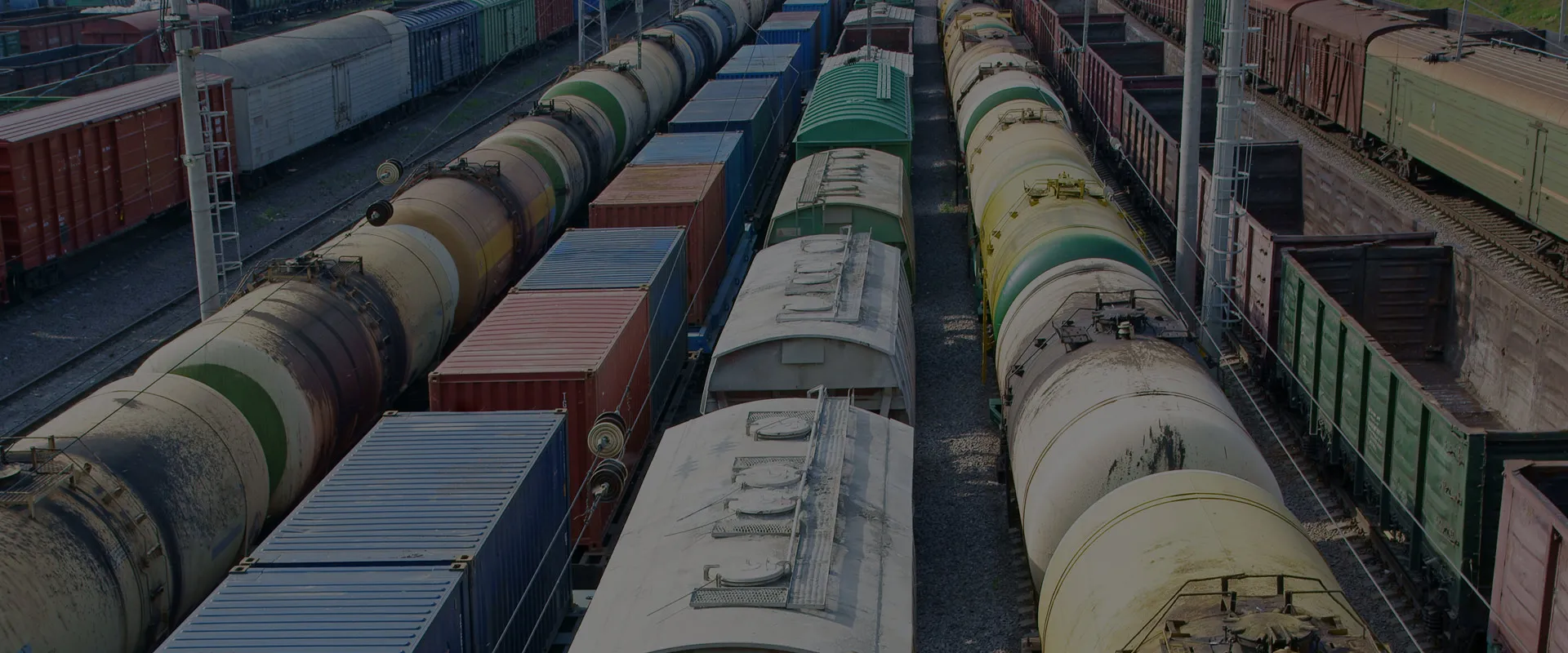
To optimize logistics, Pakistan Railways is introducing its first complete digital manifest system. This move fully digitizes freight operations, which significantly improves tracking, documentation, and overall systemic efficiency. Additionally, the department is integrating GPS-based tracking for locomotives and rolling stock. These smart railway systems provide real-time monitoring and advanced operational management, shifting the department from manual processes to precision data analytics.
The Situation Room: Strategic Analysis
The Translation (Clear Context)
In technical terms, Pakistan Railways is transitioning from a legacy analog system to an “Internet of Trains” model. By installing a dedicated fiber-optic line, they are not just providing internet; they are creating a private, high-speed data highway. The “Digital Manifest” replaces paper-heavy logs with real-time digital ledger entries, allowing the Digital Freight System to predict delays and optimize cargo routing with mathematical precision.

The Socio-Economic Impact
For the average Pakistani citizen, this systemic upgrade catalyzes lower costs for goods transported by rail. Efficient freight means reduced logistics overhead for manufacturers, which can eventually lower the price of commodities in local markets. For professionals and students, the expansion of fiber-optic infrastructure along railway lines can potentially improve regional connectivity, bridging the digital divide between urban hubs and rural stations.

The Forward Path (Opinion)
This development represents a significant Momentum Shift. For decades, Pakistan Railways focused on maintenance; however, the RAIN project shifts the focus toward revenue generation and modernization. While the structural challenges of the rail network remain, the decision to leverage public-private partnerships for digital infrastructure is a calibrated move toward financial sustainability and operational excellence.