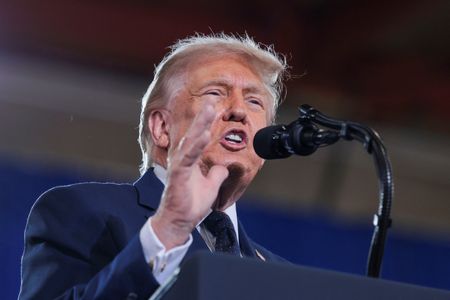
The global geopolitical architecture faces a critical baseline shift as U.S. President Donald Trump calculates a 50/50 probability for a landmark Iran peace deal. Trump’s binary approach signals either a calibrated diplomatic resolution or a return to high-intensity conflict. He recently confirmed that his administration remains divided between pursuing structural diplomacy and resuming military engagement. Consequently, the next 60 days will determine the systemic stability of the Middle East and its ripple effects on the Pakistani economy.
The Situation Room: Decoding the Geopolitical Binary
President Trump described the current state of negotiations as an equal possibility of success or total military escalation. Specifically, he plans to convene a high-level briefing with senior advisors including Jared Kushner, Steve Witkoff, and Vice President JD Vance. This precision-focused group will evaluate the structural integrity of a potential “good” agreement versus the decision to “hit them harder than they have ever been hit.”
The Translation: Breaking Down the Terms
Trump characterizes the choice as a binary strategic pivot. He aims to leverage extreme pressure to secure a deal that includes a specific process for reopening the Strait of Hormuz and unfreezing Iranian assets. Key components of the current proposal include:
- Strategic Access: Reopening the Strait of Hormuz to stabilize global trade.
- Asset Liquidity: Controlled unfreezing of Iranian assets.
- Ceasefire Extension: A potential 60-day pause to facilitate deeper negotiations.
Furthermore, Trump dismissed claims that regional allies are concerned about this diplomatic route. He views this as a catalyst for a broader regional realignment.

The Socio-Economic Impact: What it Means for Pakistan
For the average Pakistani citizen, the volatility of these negotiations directly dictates household economic stability. Specifically, a successful Iran peace deal would stabilize the Strait of Hormuz, a vital artery for the world’s energy supply. Consequently, a peaceful resolution would likely lower fuel prices and reduce the cost of imported goods in Pakistan. In contrast, a resumption of war would trigger structural inflation and disrupt regional trade corridors, impacting both urban professionals and rural families. The precision of this outcome will either facilitate regional growth or necessitate immediate economic defensive measures.
The Forward Path: A Strategic Momentum Shift
We categorize this development as a Momentum Shift. The explicit quantification of a 50/50 chance suggests that the diplomatic baseline is already established. The potential 60-day ceasefire extension serves as a calibrated window for systemic realignment. If the administration achieves a “good” deal, we will see a surge in regional investment and energy efficiency. However, the alternative remains a sharp return to conflict that could recalibrate the entire global order. Our assessment remains focused on the precision of the next 48 hours as Trump meets his advisory council.