
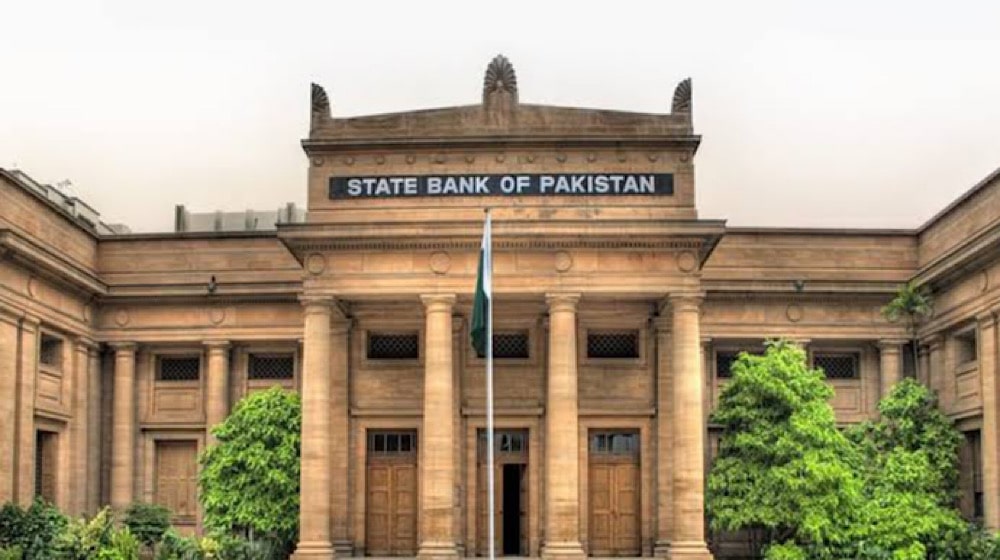
The State Bank of Pakistan (SBP) has calibrated its operations to support national revenue collection by mandating specialized tax payment banking hours this weekend. Specifically, this strategic move ensures that taxpayers can settle government duties and taxes through designated commercial bank branches on May 23 and May 24, 2026. Consequently, the designated branches will maintain active operations from 9:00 a.m. to 3:00 p.m. to accommodate the surge in fiscal compliance.
Strategic Schedule for Tax Payment Banking
The official notification, issued on May 22, follows a formal request from the Federal Board of Revenue (FBR). Additionally, the National Bank of Pakistan (NBP) branches handling customs collections will remain fully operational during this window. Furthermore, the central bank directed banks to ensure that the National Institutional Facilitation Technologies (NIFT) remains active for special clearing arrangements on May 24. This precision ensures that government transactions achieve immediate settlement without the typical weekend latency.
Beyond physical branch availability, the SBP instructed all financial institutions to guarantee the uninterrupted uptime of digital payment channels. This includes internet banking, mobile applications, and ATMs. Consequently, these electronic platforms will serve as a catalyst for efficient tax processing throughout the 48-hour period.
The Translation: Contextualizing the Decision
In essence, this measure removes the “weekend friction” that often delays critical revenue flows to the national treasury. By synchronizing commercial banking hours with FBR deadlines, the SBP is modernizing tax payment banking for the digital age. The inclusion of NIFT clearing is particularly vital; it allows paper-based instruments like cheques to be cleared over the weekend, which is a structural deviation from standard banking protocols to ensure liquidity for the state.
The Socio-Economic Impact: What it Means for You
For the average Pakistani professional or business owner, this development provides a critical safety net for compliance. It mitigates the risk of late-payment penalties that often occur due to bank holidays. Ultimately, this operational shift improves the state’s cash flow, which is a fundamental baseline for funding public infrastructure and national development projects. Students of economics should note how such micro-adjustments in banking hours act as a catalyst for macro-level fiscal stability.
The Forward Path: Momentum or Stabilization?
We categorize this development as a Stabilization Move. While the extension of hours facilitates immediate revenue targets, it reflects a reactive approach to fiscal deadlines. A true “Momentum Shift” would involve a fully automated, 24/7 real-time settlement system that eliminates the need for emergency weekend branch openings. However, the SBP’s insistence on digital channel uptime shows a strategic shift toward a more resilient, tech-driven financial ecosystem.








