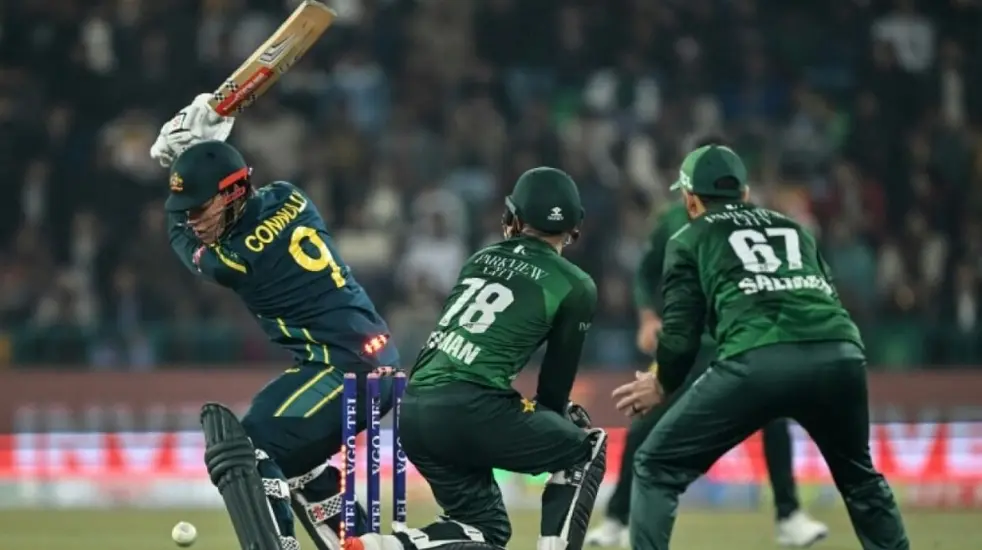
The Pakistan Cricket Board (PCB) has officially calibrated its strategy by announcing the 16-man Pakistan ODI squad for the upcoming three-match series against Australia. Scheduled from May 30 to June 4 in Rawalpindi and Lahore, this selection signals a calculated return of core veterans alongside emerging high-precision talent. Captain Shaheen Shah Afridi continues his leadership role, supported by Salman Ali Agha as vice-captain, as the team prepares for a critical home-turf engagement.
Tactical Reinforcements: The 16-Man Pakistan ODI Squad
The squad highlights a significant stabilization move with the return of Babar Azam, Naseem Shah, Shadab Khan, and Sufiyan Muqeem. These key players previously missed the Bangladesh series, and their reintegration is expected to provide a necessary baseline of experience. Furthermore, the selection committee has retained Ahmed Daniyal, Arafat Minhas, and Rohail Nazir, offering these athletes a potential path to their international debuts.
Official Roster for Australia Series
- Shaheen Shah Afridi (c)
- Salman Ali Agha (vc)
- Babar Azam
- Naseem Shah
- Shadab Khan
- Haris Rauf
- Abrar Ahmed
- Sufiyan Muqeem
- Ahmed Daniyal
- Arafat Minhas
- Rohail Nazir (wk)
- Muhammad Ghazi Ghori (wk)
- Abdul Samad
- Maaz Sadaqat
- Sahibzada Farhan
- Shamyl Hussain
Due to the unfortunate illness of Usman Khan, the PCB has strategically positioned Muhammad Ghazi Ghori and Rohail Nazir as the primary wicketkeeper-batters. Meanwhile, Fakhar Zaman and Saim Ayub remain sidelined as they undergo medical rehabilitation under the board’s precision recovery protocols.
Strategic Management and Logistical Deployment
The technical bench has been fortified with Mike Hesson serving as Head Coach. The management team includes Ashley Noffke (Bowling) and Hanif Malik (Batting), ensuring a multifaceted approach to player development. The squad will assemble in Islamabad to begin high-intensity training sessions starting May 23.
The Translation
Beyond the names, this selection reflects a “Hybrid Experience” model. By bringing back stalwarts like Babar Azam while maintaining debut-ready talent like Arafat Minhas, the PCB is attempting to solve the consistency gap seen in previous tours. The focus is on technical resilience and maximizing the home-ground advantage in Lahore and Rawalpindi.
The Socio-Economic Impact
The arrival of the Australian team represents more than just a sporting event; it is a catalyst for urban economic activity. For the local citizen, these international matches stimulate the hospitality and retail sectors in Rawalpindi and Lahore. Moreover, hosting top-tier global talent provides a crucial psychological boost to the youth, reinforcing sports as a viable professional frontier in Pakistan.
The Forward Path
This development represents a Momentum Shift. After a successful T20I sweep earlier this year, the return to the 50-over format against a formidable Australian side allows Pakistan to test its structural depth. If the reintegrated core performs as calibrated, this series will solidify Pakistan’s standing as a dominant force in the ODI circuit.