

After maintaining a four-year baseline of suppressed retail rates, India recently implemented a strategic fuel price hike to calibrate its economy against rising global import costs. This shift follows the trajectory of Pakistan, which has faced multiple price adjustments since April 2024. Consequently, state-owned refiners in India are now passing these structural expenses to the consumer, marking a significant departure from long-standing political subsidies.
The Structural Shift in South Asian Energy Markets
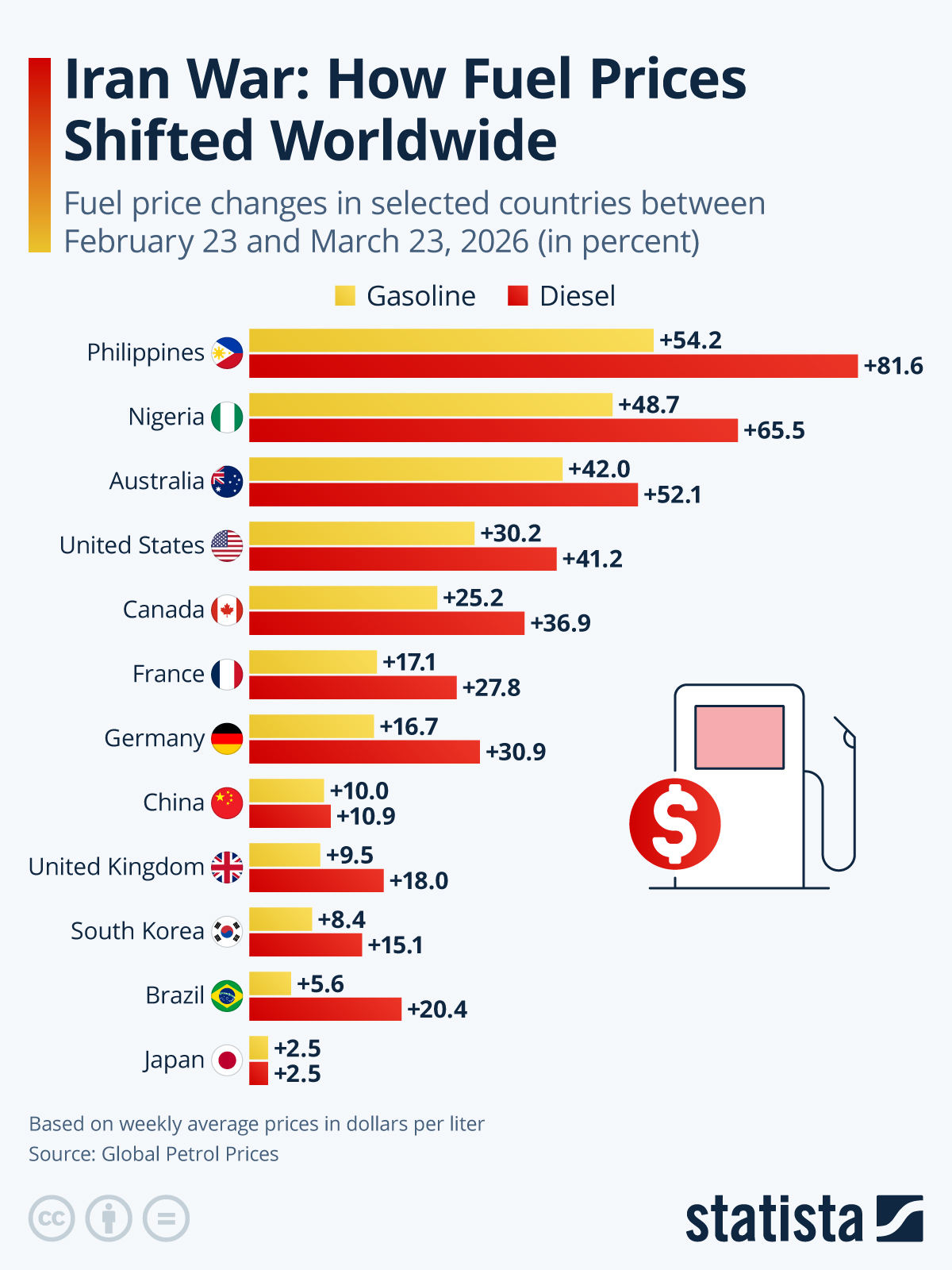
The retail adjustment reflects a 3 percent increase, approximately PKR 8.6 per litre. While Prime Minister Narendra Modi previously delayed these adjustments to protect Indian households, the widening gap between wholesale and retail costs became unsustainable. Furthermore, data indicates that wholesale petrol surged by 32.4 percent while diesel climbed by 25.19 percent in April alone.
Supply Chain Precision and Market Volatility
The supply shock originated primarily from the Middle East, where disruptions in the Strait of Hormuz increased the country’s oil import bill. In contrast to previous years, the government could no longer absorb these losses without risking investor confidence. Therefore, the rupee reached record lows against the US dollar, forcing a baseline recalibration of energy pricing.
The Translation (Clear Context)
This development represents a move toward market-based pricing logic. For years, the government “shielded” the public by forcing refiners to absorb losses. However, the current geopolitical climate serves as a catalyst for transparency. By aligning retail prices with global wholesale trends, the government aims to reduce the fiscal deficit and stabilize the currency. The “Copying Pakistan” narrative is actually a shared regional reality of balancing fiscal health against public sensitivity.
Socio-Economic Impact: The Cost of Global Volatility
Rising fuel costs act as a primary driver of broader inflation. Wholesale inflation accelerated to 8.3 percent in April, compared to just 3.88 percent in the previous month. For the average citizen, this translates to higher logistics costs for food and essential goods. Both Pakistani and Indian households now face a similar architectural challenge: managing household budgets against the backdrop of an unpredictable global energy frontier.
The “Forward Path” (Opinion)
This development represents a Stabilization Move. While the increase in Russian crude imports—reaching a record 2.3 million barrels per day—provides a temporary cushion, the expiring US sanctions waiver creates a structural risk. India’s reliance on strategic diplomacy to maintain energy flow is a calculated necessity. This fuel price hike is a precision adjustment required to maintain systemic efficiency in a volatile global market.








