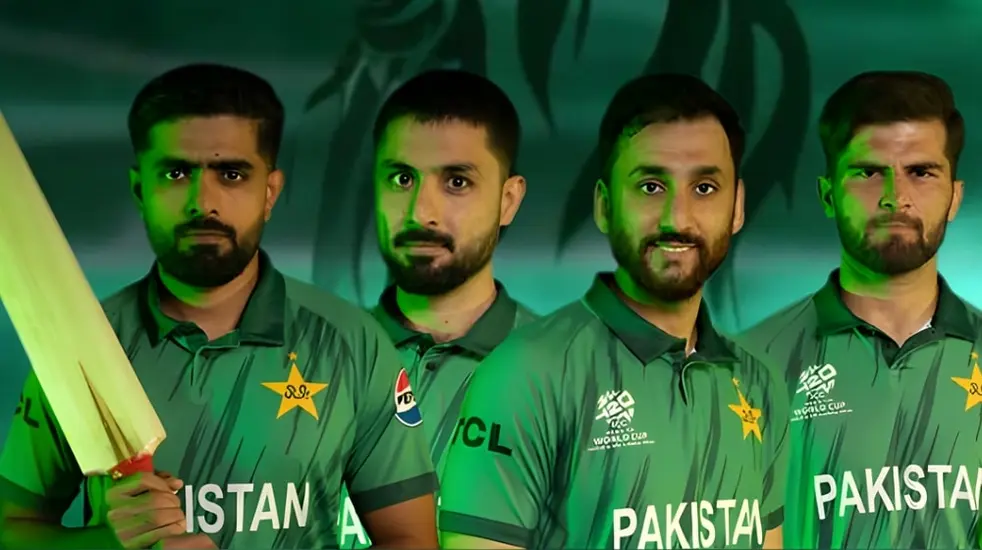
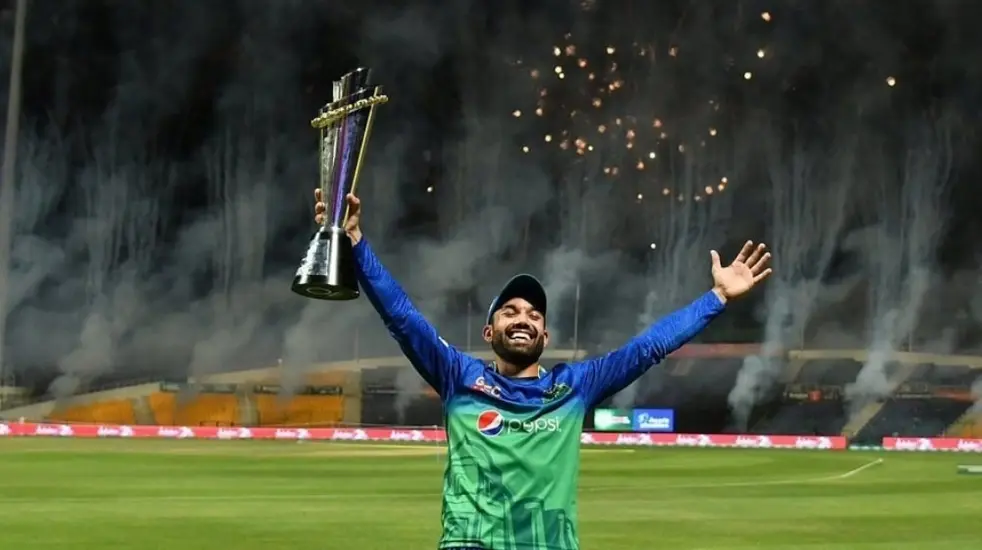
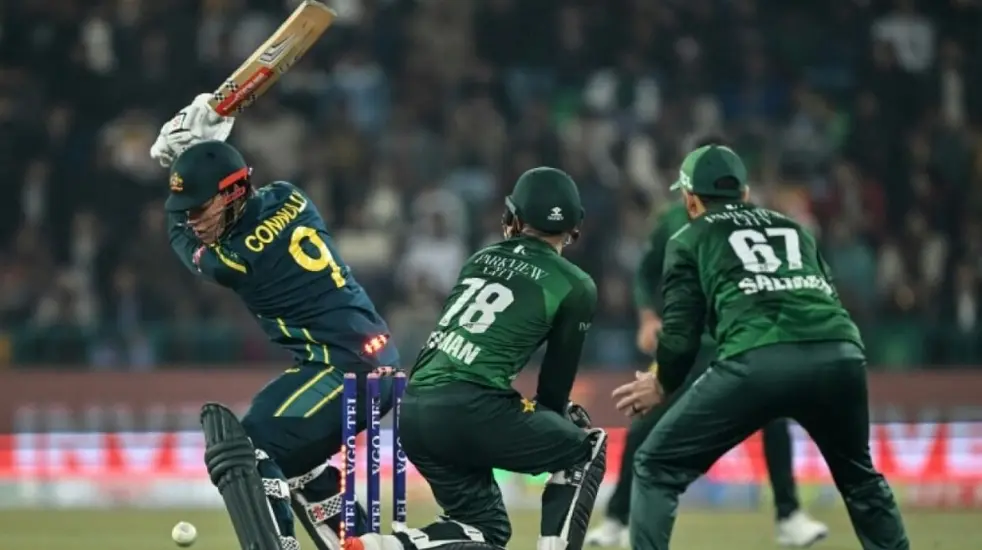
The economic machinery of the Pakistan Super League requires precise talent calibration to ensure a high return on investment for franchises. However, the PSL 2026 Flop XI highlights a significant delta between high market valuation and actual on-field output. This season, several high-profile assets failed to meet the baseline performance metrics expected of their roles, leading to structural failures within their respective teams.
The Translation: Jargon to “Next Gen” Clarity
In the high-stakes environment of professional cricket, a \”Flop XI\” is not merely a list of poor performers; it is a diagnostic report of efficiency gaps. We translate \”hype\” into \”market expectations\” and \”underperformance\” into \”negative ROI.\” When a franchise invests a significant portion of its salary cap into a \”starboy\” like Saim Ayub or a national captain like Mohammad Rizwan, the strategic expectation is a match-winning impact. Consequently, when these players fall below their career averages, it creates a systemic imbalance that affects the entire squad’s win probability.
Strategic Breakdown: The PSL 2026 Flop XI
- Saim Ayub (Hyderabad Kingsmen): Despite his status as a marquee asset, Ayub’s 258 runs across 13 matches represent a failure to scale. His strike rate remained uncalibrated for the modern T20 powerplay.
- Mohammad Rizwan (Rawalpindiz): Rizwan’s leadership suffered a 90% failure rate, losing 9 out of 10 matches. An average of 20.40 indicates a total collapse in his batting precision.
- Salman Ali Agha (Karachi Kings): The T20 captaincy failed to serve as a catalyst for his performance. He produced a meager 112 runs, leaving a void in the middle-order structure.
- Daryl Mitchell (Rawalpindiz): High-cost international signings must deliver outlier results. Instead, Mitchell provided only one significant contribution, failing to stabilize the overseas slot.
- Khawaja Nafay & Irfan Khan Niazi: These rising talents showed a lack of technical durability. Niazi’s 149 runs in 13 games were insufficient for a player holding a domestic leadership mantle.
Bowling and All-Round Inefficiencies
Structural failures were not limited to the batting department. Mohammad Nawaz and Abbas Afridi failed to provide the necessary wicket-taking precision. Specifically, Nawaz’s return of 6 wickets in 10 games indicates a loss of his baseline effectiveness. Haris Rauf, while taking 12 wickets, struggled in high-leverage death-over situations, highlighting a lack of execution under pressure.
The Socio-Economic Impact
The performance of these athletes transcends the cricket field; it directly impacts the national psyche and the sports economy of Pakistan. For the average citizen, the PSL is a primary source of entertainment and a point of national pride. When major stars fail to deliver, it affects fan engagement and sponsorship valuation. Furthermore, for young professionals in the sports industry, these performance metrics serve as a case study in the importance of consistency and mental resilience in high-pressure career environments.
The Forward Path: An Expert Opinion
This development represents a Stabilization Move. While the raw data of the PSL 2026 Flop XI is disappointing, it forces franchises to rethink their recruitment algorithms. We are seeing a shift where raw reputation is no longer a guarantee of success. To maintain momentum, the league must transition toward data-driven scouting that prioritizes current form and technical adaptability over legacy status. This structural correction will eventually lead to a more competitive and efficient league ecosystem.