
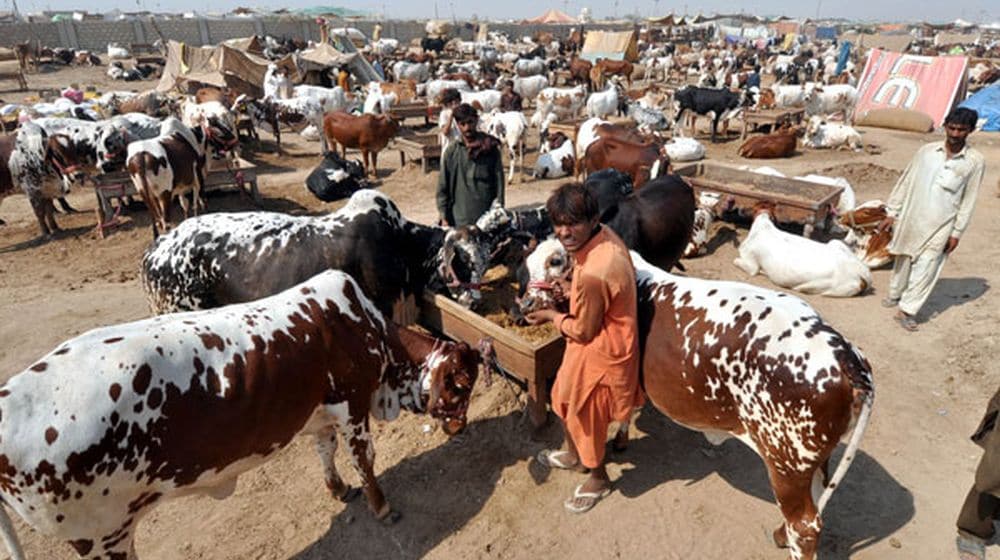
Islamabad has executed a calibrated auction for six Islamabad Cattle Markets, generating a substantial Rs 349.5 million in revenue. This strategic move represents a 120% increase compared to previous fiscal cycles, signaling robust commercial interest. By implementing a cashless system, authorities are driving structural efficiency into the heart of the sacrificial animal trade. Consequently, this development serves as a precision baseline for modernized urban management during peak festive periods.
Strategic Expansion of Islamabad Cattle Markets
The auction results highlight a surge in demand across key sectors of the capital. Specifically, the Sector I-12 market emerged as the primary catalyst, securing a massive bid of Rs 200.1 million. Furthermore, 104 bidders participated in a process that officials characterized as highly transparent and merit-based. This heightened competition ensures that the city maximizes revenue while organizing the livestock trade into designated high-capacity zones.
- Sector I-12: Rs 200.1 million
- Sangjani: Rs 62.5 million
- Zia Mosque Site: Rs 50 million
- Sultana Foundation: Rs 25 million
- Japan Road: Rs 6.2 million
- Bhara Kahu: Rs 6.1 million
The Translation
In simple terms, the District Municipal Authority (DMA) is treating the seasonal cattle market as a professional real estate and logistics operation rather than a chaotic pop-up event. The 120% revenue jump suggests that contractors see immense value in these organized sites. By enforcing a cashless system, the government is essentially digitizing the paper trail of millions of rupees. This transition reduces the physical security risks of carrying large sums of cash and ensures a more calibrated flow of commerce.
The Socio-Economic Impact
The modernization of Islamabad Cattle Markets directly impacts the safety and pocketbooks of Pakistani citizens. For the average buyer, a cashless system means less vulnerability to theft in crowded areas. For the livestock farmer, these centralized hubs provide a regulated environment with better hygiene standards. Consequently, the local economy benefits from increased fiscal transparency, while the city avoids the environmental degradation caused by unauthorized, scattered animal stalls.
The Forward Path
This development represents a significant Momentum Shift for Islamabad’s urban planning. While the revenue figures are impressive, the true progress lies in the structural adoption of digital payment infrastructure. To sustain this trajectory, authorities must ensure the technical stability of these cashless systems during peak traffic. This auction proves that when the system is transparent, the private sector is ready to invest in national advancement.








