

Azerbaijan’s state energy giant, Socar, has officially signaled its readiness to activate a strategic Azerbaijan LNG Supply framework to mitigate Pakistan’s intensifying fuel crisis. As geopolitical volatility shuttered the Strait of Hormuz, Islamabad now faces a critical deficit in its energy baseline. This calibrated offer provides a structural alternative to traditional Qatari shipments, which currently remain stalled due to regional maritime blockades.
Strategic Pivot: Azerbaijan LNG Supply Amid Global Turbulence
The proposed energy corridor operates under a framework agreement established in 2025 between Socar Trading and Pakistan LNG Limited (PLL). Specifically, this mechanism allows for an accelerated procurement procedure, bypassing standard bureaucratic delays. Consequently, Pakistan can secure spot cargoes with precision timing as soon as the Petroleum Division issues a formal request.
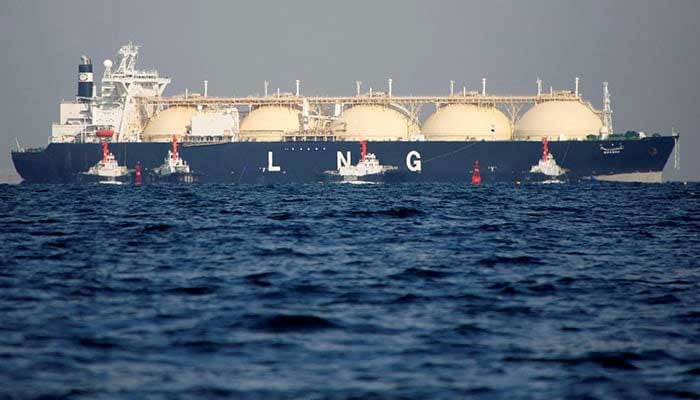
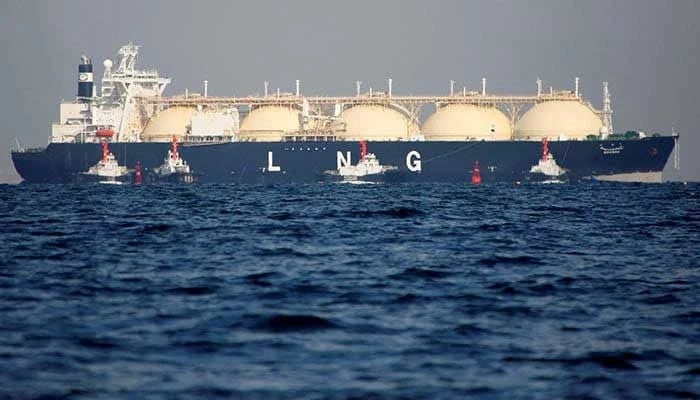
Currently, the Strait of Hormuz remains a primary choke point for global energy flows. Pakistan State Oil (PSO) recently confirmed that four critical LNG cargoes from Qatar were suspended following Tehran’s decision to maintain a naval blockade. This disruption forced Pakistan to look beyond its traditional partners to sustain industrial and domestic productivity.
The Translation: Clear Context
In technical terms, Pakistan’s energy architecture relies on “Spot Purchases” to fill gaps when long-term contracts fail. The Azerbaijan LNG Supply framework serves as a “Ready-to-Deploy” contingency. While Qatar provides the volume, Azerbaijan provides the agility. Socar’s ability to supply gas—potentially sourced from their own reserves or third-party volumes—acts as a strategic buffer against the supply-chain fragility caused by the Iranian blockade.
The Socio-Economic Impact: Impact on the Pakistani Citizen
For the average Pakistani household and small business owner, this development is a catalyst for stability. A widening energy shortfall typically leads to forced load-shedding and increased manufacturing costs. By securing an alternative gas route, the government can theoretically prevent the “cascading failure” of the national power grid. Students in urban centers and laborers in industrial zones depend on this consistency to maintain baseline economic activity during peak demand cycles.
The Forward Path: A Strategic Momentum Shift
This development represents a Momentum Shift in Pakistan’s energy diplomacy. For decades, the nation has maintained a singular reliance on a few Gulf suppliers. Diversifying the energy portfolio through Socar signifies a transition toward a more resilient, multi-polar energy strategy. While this move is a stabilization measure in the short term, the precision with which the 2025 framework is being utilized suggests a long-term upgrade to Pakistan’s energy procurement intelligence.








